PHOTO
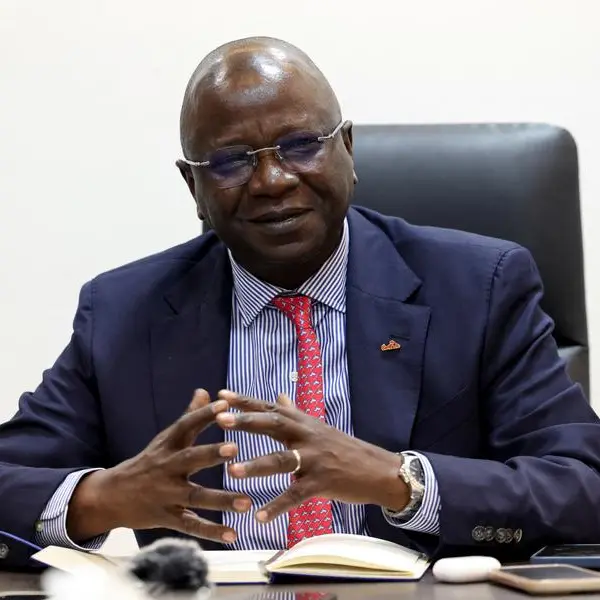
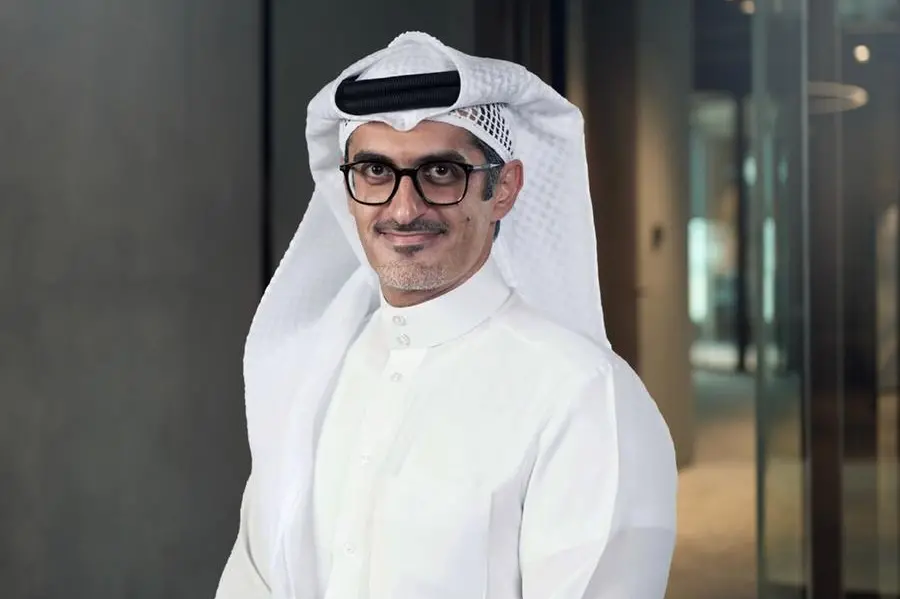
The outgoing 13th president and Chairman of the Council of the Chartered Institute of Stockbrokers (CIS), Oluropo Samuel Dada, FCS, is a seasoned investment professional. Having previously served as the Institute’s 2nd and 1st Vice President, he was elected president in July 2024. In this interview with Kehinde Akinseinde-Jayeoba, he shares his perspectives on key developments in the Nigerian capital market and economy, as well as the achievements that defined his tenure.
What is your outlook for the Nigerian capital market in Q2 2026?
The outlook for Q2 2026 is cautiously optimistic. We expect a gradual improvement in market activity, driven by macroeconomic stabilisation, policy reforms, and renewed investor interest. However, inflationary pressures and exchange rate volatility remain key risks that could moderate growth.
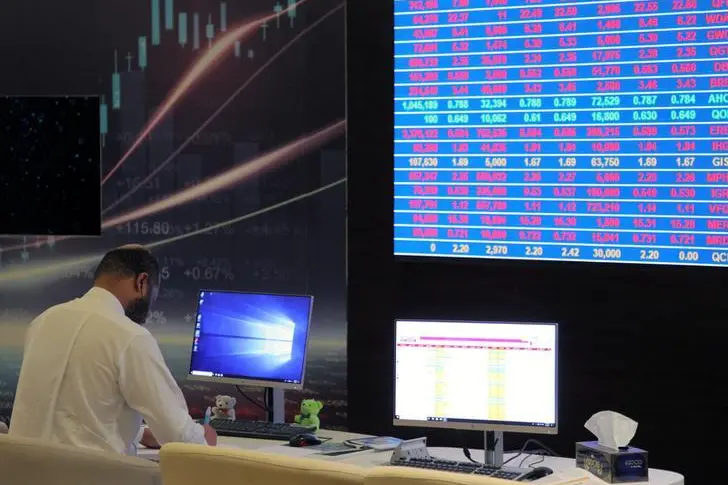
You will recall that the equities market recorded a 51% gain in 2025, and as of 21 April 2026, the market had gained about 40%. This is significant. From my perspective, the outlook for the second quarter reflects a market that has regained investors’ confidence, owing largely to the priority attached to ethical governance by the SEC, NGX, and other exchanges.
It is also important to note that most of the results released by listed firms showed some level of improvement. In light of this, the market is expected to record further growth. However, there may still be some fluctuations as a result of profit-taking. The performance of the second quarter will also be influenced by the broader macroeconomic environment and geopolitical developments. Overall, I am confident that the market will grow beyond the inflation rate in Q2.
What is your take on the investment landscape in the country?
The investment landscape is evolving, but it is still constrained in several respects. There is growing sophistication among institutional investors, but retail participation remains relatively low. Confidence is improving gradually, especially with ongoing reforms in the financial sector.
How did the Institute contribute to capacity building and professional development during your leadership?
We prioritised human capital development through continuous professional education, examination reforms, and specialised training programmes. The goal was to ensure that our members remain competitive in an evolving market shaped by technology, regulation, and global integration. We also expanded our digital learning platforms to improve accessibility.
What institutional reforms or innovations stood out during your tenure?
We strengthened governance structures, improved internal processes, and embraced digital transformation in our operations. In addition, we focused on enhancing transparency, improving member engagement, and aligning the Institute more closely with global best practices in the securities market.
In specific terms, what other strategic initiatives can you attribute to your administration?
I would like to emphasise that this is the result of a collective effort. We provided responsible leadership by fostering collaboration and teamwork across the Institute, while also strengthening partnerships with other trade groups and professional associations in the financial market. We spearheaded high-level engagements with federal and state governments, as well as the Nigeria Revenue Service (NRS) and maintained a strong balance sheet through prudent resource management and well-structured policy initiatives. The Federal Government recognised CIS as a champion of the $1 trillion economy. The number of students sitting for our examinations has increased exponentially, with many non-finance professionals regularising their membership. We also restructured the institute by sustaining a highly skilled and capable workforce.
How has the institute helped to strengthen investor confidence in the capital market?
Through advocacy, ethical enforcement, and collaboration with regulators, the institute has played an important role in reinforcing trust in the market. By promoting professionalism among stockbrokers and improving public education, we have helped to reduce information asymmetry and improve investor awareness.
What were the major challenges that faced the institute?
The key challenges included navigating macroeconomic instability, managing limited resources, adapting to rapid technological changes, and addressing low public awareness of the securities profession. Despite these challenges, we remained focused on strengthening the Institute’s resilience and relevance.
What is your advice to your successor as president of CIS?
My advice to my successor is to build on the foundations already laid by deepening reforms, embracing innovation, and strengthening stakeholder collaboration. It is important to sustain professional standards, expand digital transformation, and continue advocacy for greater retail investor participation. Equally important is maintaining strong relationships with regulators and ensuring that the Institute remains forward-looking in a rapidly changing financial environment.
What legacy would you like your tenure to be remembered for?
I would like my tenure to be remembered for strengthening professionalism within the stock broking community, enhancing institutional credibility, and contributing to a more resilient and trusted capital market. Most importantly, I hope it will be seen as a period that advanced capacity building and positioned the Institute for future growth. I also consider my emphasis on ethical governance to be a key part of that legacy.
What are the challenges faced by investment and stockbroking firms in Nigeria?
Key challenges include macroeconomic instability, low market liquidity, high operating costs, regulatory compliance burdens, and limited retail investor engagement. In addition, gaps in technology adoption and capital constraints also affect competitiveness.
The SEC has shut down over 400 fraudulent schemes. What is CIS doing with regulators to curb Ponzi schemes?
CIS works closely with the Securities and Exchange Commission and other stakeholders to enhance investor education, professional ethics, and public awareness.
We are also strengthening certification standards and promoting financial literacy campaigns to help investors identify and avoid fraudulent schemes.
What impact has the Securities and Investment Bill had on the capital market?
The passage of the Securities and Investment Bill into law has strengthened regulatory clarity, improved investor protection, and modernised the legal framework of the capital market. It has also enhanced enforcement capacity and aligned the market more closely with global standards.
How is CIS encouraging retail investor participation, especially in mutual funds?
We are working to deepen financial literacy, support product innovation, and encourage asset managers to design retail-friendly mutual funds. We also collaborate with regulators and market operators to improve access and simplify investment processes.
What are the prospects in an emerging economy like Nigeria?
Nigeria retains strong long-term prospects due to its large population, youthful demographics, and expanding digital economy. If structural reforms continue to yield results, the capital market will become an even more important driver of wealth creation and infrastructure financing.
What is your view on the investment climate amidst global tensions such as the US-Israel-Iran conflict?
Geopolitical tensions introduce uncertainty into global markets, often triggering risk aversion and a shift of capital toward safe-haven assets. While economies like Nigeria may not always be at the centre of such conflicts, the indirect effects can be substantial, particularly through oil price volatility, foreign exchange pressures, and shifts in investor sentiment.
What are the lessons for Chief Executive Officers?
For Chief Executive Officers, the key lesson is the importance of building resilient and adaptable business strategies. This includes strengthening risk management frameworks to respond effectively to external shocks, diversifying revenue streams and supply chains to reduce exposure to vulnerable markets, maintaining adequate liquidity buffers and flexible financing options, closely monitoring macroeconomic indicators such as oil prices and exchange rates, and communicating proactively with stakeholders to sustain confidence during periods of uncertainty. Ultimately, CEOs who prepare for geopolitical volatility are better positioned not only to safeguard their organisations, but also to seize emerging opportunities in times of global disruption
Copyright © 2026 Nigerian Tribune Provided by SyndiGate Media Inc. (Syndigate.info).