PHOTO
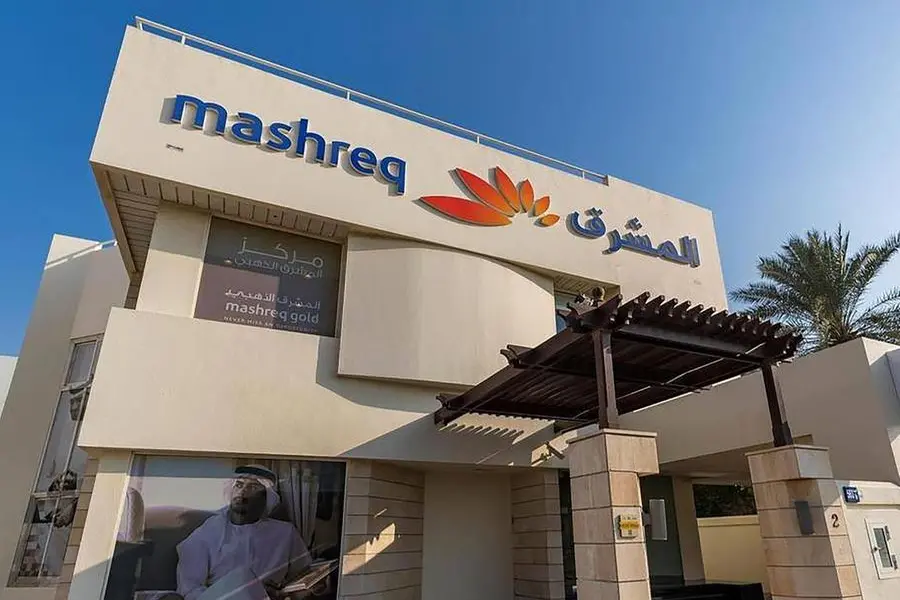
MTN Uganda is in talks for a potential partnership with Starlink, as incumbent GSM operators increasingly see opportunities for collaboration rather than competition with the new entrant in the country’s internet and data services market.
Starlink received approval to establish operations in Uganda on May 14, ending more than a year of regulatory scrutiny and behind-the-scenes negotiations that extracted a number of concessions from the satellite internet operator.
The EastAfrican has learnt that MTN Group is in discussions with the SpaceX subsidiary to support last-mile connectivity in Uganda and Zambia.
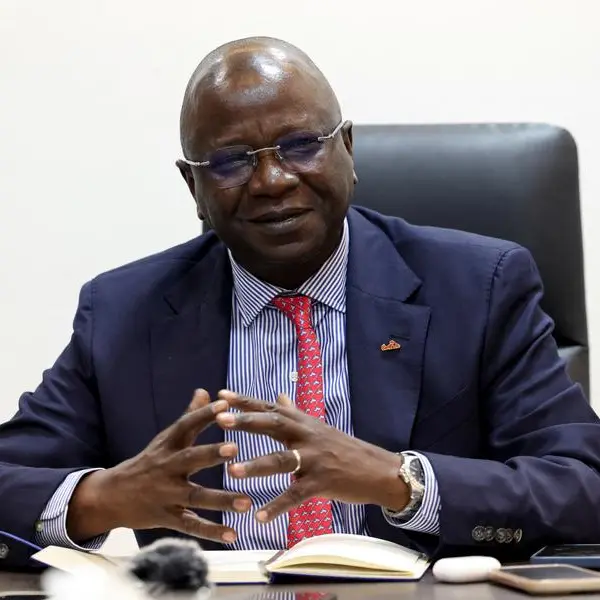
According to MTN Uganda chairman Charles Mbire, such a collaboration would be mutually beneficial. Extending services to unserved areas would help GSM operators meet their licence obligations for nationwide coverage at a lower cost.
At the same time, Starlink would gain access to an existing mass market without requiring customers to purchase its own hardware, which could otherwise become a barrier to adoption.“There are places such as some of the islands on Lake Victoria where we are supposed to have network presence but it doesn’t make economic sense. Starlink would help us deliver the service there. That would enable us to meet our licence obligations without expending a corresponding amount in capex,” Mr Mbire explained.
Although MTN Uganda, Airtel Uganda and their predecessors have operated in the market since the mid-1990s, some parts of the country remain uncovered because of low traffic volumes and high operating costs, particularly in areas lacking basic infrastructure such as electricity. This has long been a point of contention between the Uganda Communications Commission (UCC) and telecom operators.
Mbire added that, contrary to popular perception, incumbent operators were not opposed to competition as long as new entrants were subjected to the same regulatory and tax obligations.“As long as there is a level playing field and they are taxed as we are, we have no issue with Starlink,” he said.
Income tax, excise duty, VAT, withholding tax and a two percent UCC levy on annual gross revenue are among the sector’s major tax obligations.
Those concerns appear to have been partly addressed after President Yoweri Museveni announced that Starlink’s licence conditions require the company to establish a national gateway with a physical point of presence in Uganda, ensure that all devices activated in the country are properly registered, and maintain a staffed local office with technical, legal and customer support personnel.“Our focus is security, revenue assurance, and maintaining proper accountability in telecommunications, allowing us to track who is operating and who the customers are,” Museveni said shortly after the Starlink deal was announced.
Within security circles, there have also been concerns about the pinpoint detection of Starlink devices and how users could be tracked. According to telecom engineers, while GSM phones can reportedly be traced to within a radius of about five metres, Starlink satellite terminals can only be detected within a wider radius of two to three kilometres, potentially making users harder to locate when necessary.
As MTN moves to finalise its arrangements with Starlink, its main competitor, Airtel Uganda, appears to have moved faster.
On May 19, Airtel Uganda announced that it had secured regulatory approval and begun testing Starlink’s Direct-to-Cell satellite service.
Airtel’s agreement with Starlink, which covers all 14 markets in which Airtel Africa operates, will allow subscribers with compatible smartphones to access connectivity in areas lacking terrestrial network coverage through Starlink’s satellite infrastructure.
Airtel Uganda CEO and Managing Director Soumendra Sahu said the company was “excited” to begin exploring a technology that could redefine connectivity in underserved areas.“This marks the start of testing a highly advanced technology that enhances smartphone network connectivity through Direct-to-Cell satellite services,” he said.
Sahu cited the Buvuma Islands and Murchison Falls National Park as locations where the service could significantly improve access to communication services.“This service is a game changer in extending connectivity to remote and hard-to-reach areas. The technology automatically links smartphones to satellites, improving access to calls, text messaging and selected data services,” he explained.
The Direct-to-Cell technology, also known as Direct-to-Device or Supplemental Coverage from Space, effectively transforms Starlink satellites into orbiting cell towers.
This enables standard smartphones, without hardware modifications, to connect directly to satellites for services such as text messaging, voice calls and eventually mobile data in areas without conventional network coverage.
The EastAfrican reached out to the Uganda Communications Commission over the regulatory concerns raised by industry players. UCC spokesperson Ibrahim Bossa noted that while the commission’s mandate primarily covers licensing, spectrum management, consumer protection, compliance oversight and enforcement of technical and regulatory standards, Starlink has already registered and obtained a Tax Identification Number (TIN) as required under Ugandan law.“This means the company will be required to pay taxes on all revenue and income generated from its operations in Uganda.”He added that the licensed entity is a locally incorporated company and will therefore be subject to the same tax obligations and regulatory requirements applicable to other operators in the market.
According to Bossa, under Uganda’s current regulatory framework, Starlink is not classified as a virtual operator. As a result, like all licensed operators in Uganda, the company must collect, process and use personal data in full compliance with the Data Protection and Privacy Act, 2019. Starlink must also register with the Personal Data Protection Office in accordance with the law.
© Copyright 2026 Nation Media Group. All Rights Reserved. Provided by SyndiGate Media Inc. (Syndigate.info).