PHOTO
A regional association of energy regulators under Comesa has approved a green hydrogen energy roadmap to address growing electricity demand and supply constraints across 16 member states.
Despite significant renewable resources within the Common Market for Eastern and Southern Africa (Comesa), the region relies on thermal power for over 76 percent of generation, while hydropower covers about 24 percent.
The Regional Association of Energy Regulators for Eastern and Southern Africa approved the 2026 Action Plan and Green Hydrogen Roadmap, during the 15th AGM on April 8, in Lusaka, a key component of which is the establishment of the Comesa Centre of Excellence on Green Hydrogen to drive innovation, research, and skills development in green hydrogen technologies.
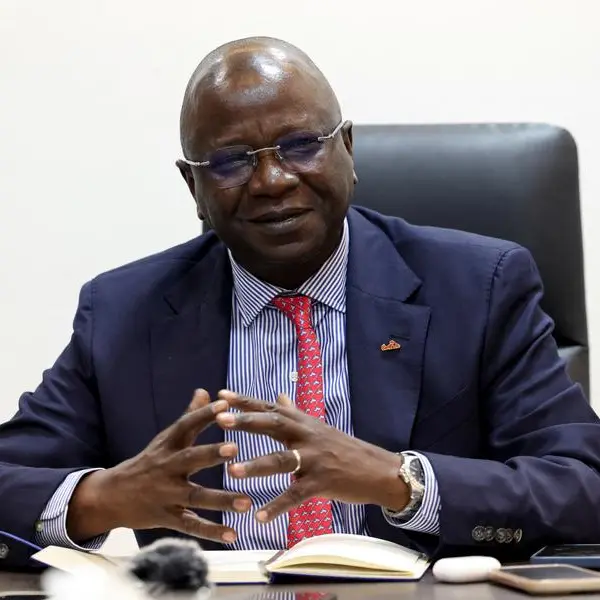
It will provide a comprehensive regional framework for positioning Comesa member states in the emerging global hydrogen economy.“As a region, we need stronger regulatory alignment, improved transmission infrastructure and enhanced cross-border electricity trade. Addressing non-tariff and institutional barriers that constrain efficient electricity flows across borders, is a must,” said Mohamed Kadah, acting Comesa Secretary-General.
Dr Kadah said the regional energy infrastructure is critically inadequate due to insufficient investment in the energy sector, unreliability and inefficiency of existing energy infrastructure.
The strategy aims to establish a regional framework for green hydrogen production, policy harmonisation and investment, positioning the Comesa member states within the global green energy market.
“The plan entirely, developing a regional framework from which member states will align their energy policies and work towards adopting green hydrogen,” said Dr Geoffrey Mabea, Raeresa CEO.“Green hydrogen complements other sources of energy. We need to diversify the energy mix.”The Comesa region's electricity demand is surging, driven by economic growth and rising consumption, with a 57 percent increase projected between 2023 and 2030.
Total installed capacity is roughly 100,000MW, yet the region faces chronic supply gaps due to underinvestment, relying heavily on thermal power (76 percent), while 365 million people lack electricity access.
To meet the anticipated 57 percent demand surge, major infrastructure investments and regional power pooling initiatives, such as the Zambia-Tanzania-Kenya interconnector, are being prioritised.
This project will interconnect the Southern African Power Pool with the Eastern African Power Pool and link the Cape to Cairo electricity corridor.
As part of the energy transition strategy the region has proposed the introduction of hydrogen, which is the easiest to get- through hydrolysis of water.“Hydrogen is cleaner and more efficient than diesel or petrol for vehicles. The cost of hydrolysis is very low. You just need a fresh water source! It has been used to liquid hydrogen for NASA space propulsion. Long distance vehicles in China and Japan are now using hydrogen -20 percent,” said Dr Mabea.“But also hydrogen is the most important element for fertilizer inputs. Our action plan is to establish zones from which capacity building can be spearheaded. We are establishing a Centre of Excellence on Green hydrogen to support the deployment of necessary skills and demonstration unit.”RAERESA’s 2026 Action Plan and Green Hydrogen Roadmap aims to accelerate regional energy market integration and sustainable development.
Key initiatives include establishing a Green Hydrogen Centre of Excellence, harmonizing regulatory policies, and adopting a 2026 regional electricity market monitoring report.“We call for coordinated regional action to address power–sector challenges and deepen market integration,” said Dr. John Mutua, Chairperson of RAERESA.
Dr. Mutua, standing in for the Director General of Kenya’s Energy and Petroleum Regulatory Authority (EPRA), called for stronger regional coordination to address power-sector constraints, improve cross-border electricity trade, and accelerate implementation of regional regulatory reforms.
Despite being endowed with significant energy resources, the 21 Comesa countries face enormous challenges in increasing energy access to its ever increasing population and building a robust physical energy infrastructure.
Average electricity access rate in the Comesa region is slightly above 50 percent.
By the end of January, 2026, Kenya’s published system peak was 2,439.06 megawatts.
Zambia's power generation was estimated at about 1,019 MW by December 2025.
The country faces a power shortfall of over 1,600 MW following the severe 2023/2024 drought, with hydropower accounting for 80 percent of electricity generation.
As of March 2026, Tanzania's electricity generation capacity had reached 4,383 megawatts, while peak demand stood at approximately 2,100 megawatts.
Uganda's installed generation capacity hovers around 2,051 MW, while projected peak demand for 2025 is only 1,200 MW.
Many countries in the Comesa region continue to face an energy crisis and are plagued by challenges that include, absence of robust regulatory frameworks, and under-performing utilities.
The countries also lack funding for new infrastructure, overreliance on hydropower, and lack of cost-reflective tariffs.
© Copyright 2026 Nation Media Group. All Rights Reserved. Provided by SyndiGate Media Inc. (Syndigate.info).