PHOTO
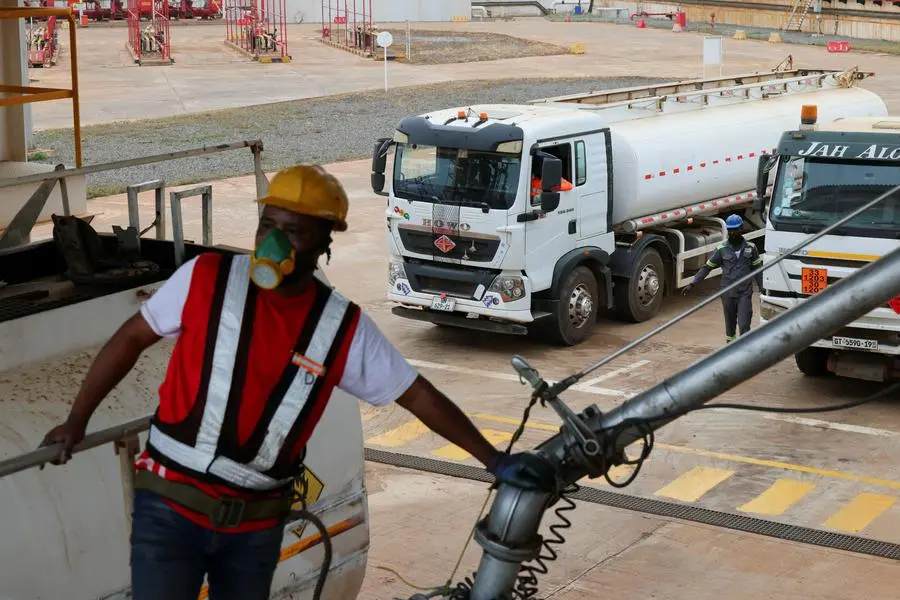
The public transport disruption in Kenya this week, in which operators withdrew services to protest soaring fuel prices, has been paused for a week to allow negotiations. But analysts warn that the data points to more African countries facing similar turmoil.
In Kenya, the spark was the steepest fuel price increase yet. The strike by the Transport Sector Alliance (TSA) began after the Energy and Petroleum Regulatory Authority (Epra) announced higher retail fuel prices, with diesel rising to Ksh242 per litre ($1.85) and petrol to Ksh214 per litre ($1.65). Authorities cited the ongoing Middle East conflict, which has caused a major blockade in the Strait of Hormuz.
After the first day of protests, Epra revised the prices, lowering diesel by Ksh10.06 ($0.07) per litre to Ksh232.86 ($1.78). But the cost was passed on to kerosene, which is mostly used by low-income households for cooking.
Kenya is not alone. In the Comoros last week, authorities were forced to suspend a price increase to allow talks. Transport and fishing workers had paralysed operations after the government raised diesel prices by 46 percent and petrol by 35 percent, also citing global crude oil spikes linked to Middle East tensions.
Little room to manoeuvreLike Kenya and the Comoros, most countries in eastern Africa rely on oil imports from the Gulf to run their economies. Prices have generally risen across the region since the US–Israel war with Iran erupted on February 28.
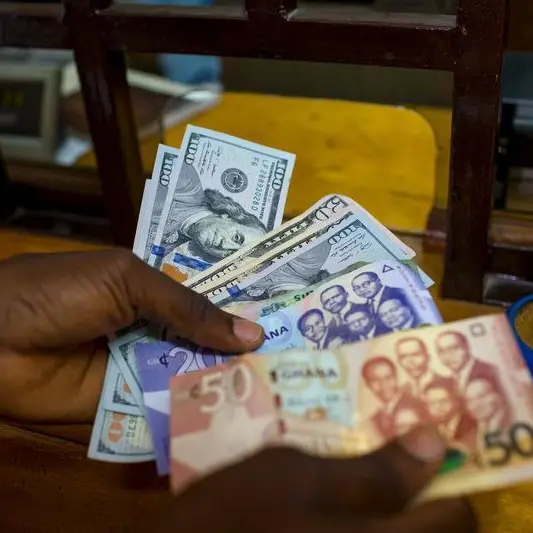
Economists warn there is little room for manoeuvre beyond passing the cost on to consumers. One problem is worsening exchange rates. Since the war, African currencies have generally lost 3.6 percent of their value against hard currencies, according to a report by the UN Conference on Trade and Development (Unctad). The data, published on Tuesday, covers currency trends from February 27 to March 16. Before the war, currencies had been improving, gaining about 16 percent since January.
As most countries must buy hard currency to pay for oil, depreciation points to tougher times ahead.
On Monday, they agreed to shift the anti-adulteration levy from diesel to kerosene so diesel could become cheaper.
They refused to cut taxes.“The Kenyan government’s response also illustrates the limits of available policy tools. Measures such as reducing VAT on fuel or temporarily drawing on levy funds soften the blow for consumers, but they are ultimately short-term interventions that cannot fully offset the impact of increased global oil prices,” said a bulletin from Oxford Economics Africa.“Rising fuel prices are also compounding existing social and political frustrations. In countries already facing economic hardship, higher transport and living costs can quickly intensify public anger and elevate political risk.”In Kenya, about 50 percent of the pump price consists of government taxes, including 16 percent VAT and an increase in the Road Maintenance Levy (RML) from Ksh18 ($0.13) per litre to Ksh25 ($0.19).
Other levies affecting the pump price include:Road Maintenance Levy: Ksh25 ($0.19) per litrePetroleum Development Levy (PDL): Ksh5.40 ($0.04) per litrePetroleum Regulatory Levy: Ksh0.75 per litreAnti-adulteration levy, Merchant Shipping Levy and Excise Duty: estimated at Ksh21–22 ($0.16–0.17) per litre of petrol and Ksh10–11 ($0.07–0.08) per litre of dieselAfter the war, Kenya reduced VAT on fuel by 50 percent, from 16 percent to eight percent, lowering petrol and diesel prices by Ksh9.37 ($0.07) and Ksh10.21 ($0.07) respectively. The new April retail prices were Ksh197.60 ($1.53) per litre of petrol, Ksh196.63 ($1.52) per litre of diesel and Ksh152.78 ($1.18) per litre of kerosene.
The government has already struggled with violent protests over taxation, living costs and governance concerns, which analysts say could create conditions for wider instability.“We think the unrest in Kenya is an early indicator of what could unfold elsewhere across the continent if elevated oil prices persist,” warned political analyst Jervin Naidoo at Oxford Economics Africa.“As the conflict in the Middle East enters its third month, the risk of further supply disruptions and sustained price increases remains high.”Spreading strainNext week, Muslims in the region will celebrate Idd al-Adha. But charity group Islamic Relief says it will be the most expensive yet because of wars in the Middle East and the Horn of Africa.
These rations, known as Qurbani (sacrifice), are distributed during the Islamic month of Dhul Hijjah, when Muslims sacrifice an animal such as a goat, sheep, cow or camel, reflecting Prophet Ibrahim’s willingness to sacrifice his son Ismail for the sake of God.“The war in the Middle East is increasing people’s suffering here in Sudan as it is cutting off trade and imports. For many vulnerable families, this is the most expensive Idd they have experienced, and people are worrying about how they will feed their children,” said Shihab Mohamed Ali, Islamic Relief’s senior programme manager in Sudan.“The rising costs and funding shortfalls mean we may have to reduce the number of people we can reach, or the quantity of meat each family receives.”Sudan has seen rising prices and rapidly fluctuating exchange rates. Vendors working with the charity to supply food rations have been reluctant to sign contracts.
In parts of Somalia, where drought has pushed many families towards starvation, the charity said fuel costs have more than doubled, from about $0.60 per litre to $1.50, increasing food prices and hampering aid delivery.
The United Nations Trade and Development (UNCTAD) agency says the global economy is moving from an initial phase of supply disruptions and inflation into a more fragile period, where prolonged uncertainty could trigger shortages and wider financial stress.“While recent years were shaped largely by trade tensions and policy uncertainty, geopolitical risks are now becoming the dominant source of instability for the global economy,” the agency said in its latest update on the impact of the Middle East crisis.
The agency projects global growth to slow from 2.9 percent in 2025 to 2.6 percent in 2026 as higher energy prices, transport disruptions, market volatility and a flight to safe assets weigh on investment and demand.
Higher energy prices are driving up fertiliser costs and adding to food inflation pressures across many developing economies, while volatility and tighter financing conditions are exposing vulnerabilities in global food trading systems.
Additional reporting by Aggrey Mutambo.
© Copyright 2026 Nation Media Group. All Rights Reserved. Provided by SyndiGate Media Inc. (Syndigate.info).