PHOTO
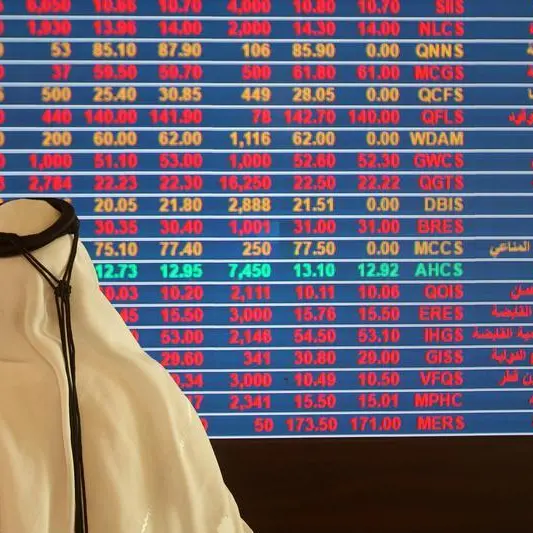
Most stock markets in the Gulf ended lower on Thursday, pressured by weaker oil prices and growing expectations that the U.S. Federal Reserve could raise interest rates later this year. Oil prices, a key catalyst for Gulf financial markets, extended losses to near levels last seen before the start of the Iran war, as expectations of higher Middle East supply outweighed demand concerns.
A preliminary accord last week to end the U.S.-Israeli war with Iran, which began on February 28, has allowed traffic to resume through the Strait of Hormuz, easing immediate supply risks. High U.S. inflation, fuelled by the conflict, and a hawkish Federal Reserve have strengthened expectations of further monetary tightening.
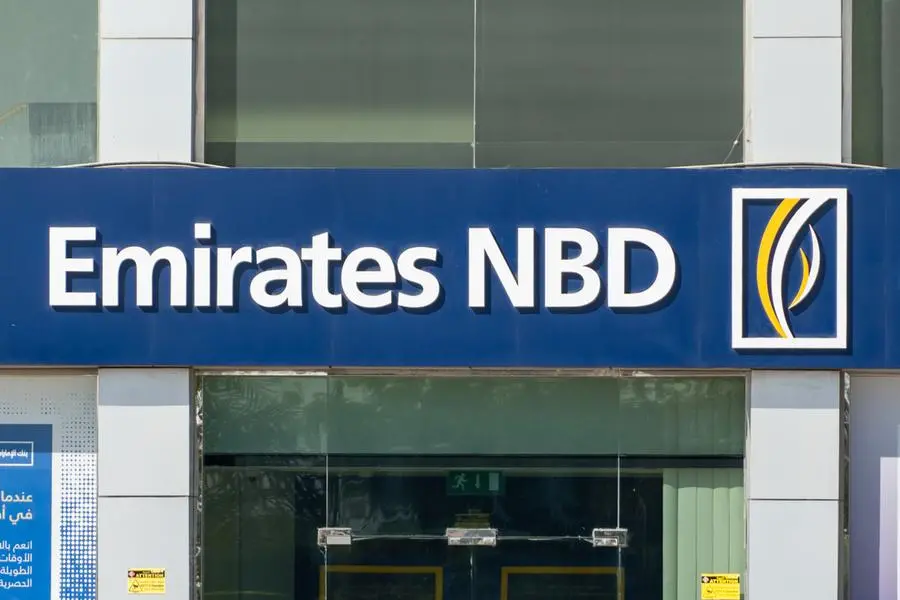
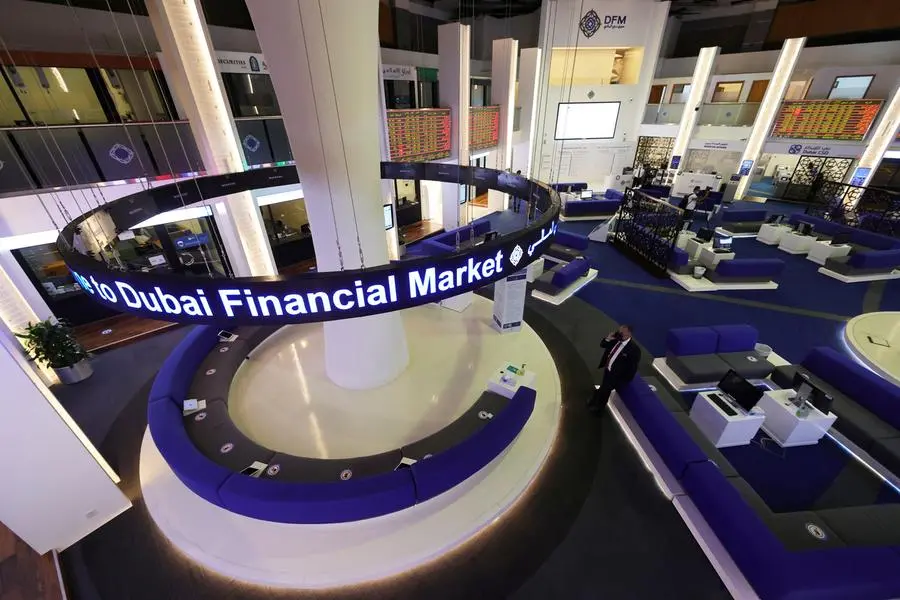
Traders are pricing in three Fed rate hikes this year and see about a 67% chance of an increase in September, according to the CME FedWatch Tool. U.S. monetary policy has a significant bearing on Gulf markets, where most currencies are pegged to the dollar. Dubai's main share index dropped 1.4%, with almost all its constituents in negative territory. Blue-chip developer Emaar Properties fell 2.9%, while Dubai's largest lender Emirates NBD lost 1.3%.
While a preliminary U.S.-Iran peace deal is easing immediate strains, restoring business confidence in Dubai will take time and may require more incentives, six company executives and analysts told Reuters. In Abu Dhabi, the index fell for a third straight session, closing 1.2% lower as real estate and technology shares led losses.
Aldar Properties slid 3.9% and Abu Dhabi Commercial Bank declined 2.4%. Saudi Arabia's benchmark stock index eased 0.7%, with real estate stocks leading the declines. Dar Al Arkan Real Estate fell 5.1%, while Umm Al Qura for Development and Construction , known as Masar, slipped 3.5%. Masar said on Wednesday its flagship Masar Destination project in Makkah had been approved as a zone where non-Saudis may own real estate, following Saudi Cabinet approval. The decision comes as Saudi Arabia's real estate authority has begun accepting applications for foreign property ownership, part of the kingdom's broader push to attract international investment.
The Qatari index extended losses for a sixth straight session falling 0.4%, with most stocks declining. Qatar National Bank , the Gulf's largest lender, lost 1.2%, while Industries Qatar fell 1%. "While lower oil prices could act as a headwind, the geopolitical de-escalation is supporting broader risk appetite and activity in non-oil sectors, and the increasing volumes of crude exports could support the energy sector," said Joseph Dahrieh, managing director at Tickmill.
Outside the Gulf, Egypt's blue-chip index fell for a fourth consecutive session, closing 0.5% lower with most stocks in the red. Orascom Construction dropped 7%, while Fawry for Banking Technology declined 1.6%.
- SAUDI ARABIA down 0.7% to 10,933
- DUBAI dropped 1.4% to 6,025
- ABU DHABI fell 1.2% to 9,876
- QATAR down 0.4% to 10,282
- KUWAIT lost 0.2% to 9,126
- BAHRAIN up 0.3% to 2,042
- OMAN down 0.4% to 7,317
- EGYPT fell 0.5% to 51,443
(Reporting by Ateeq Shariff and Md Manzer Hussain in Bengaluru; Editing by Subhranshu Sahu)