PHOTO
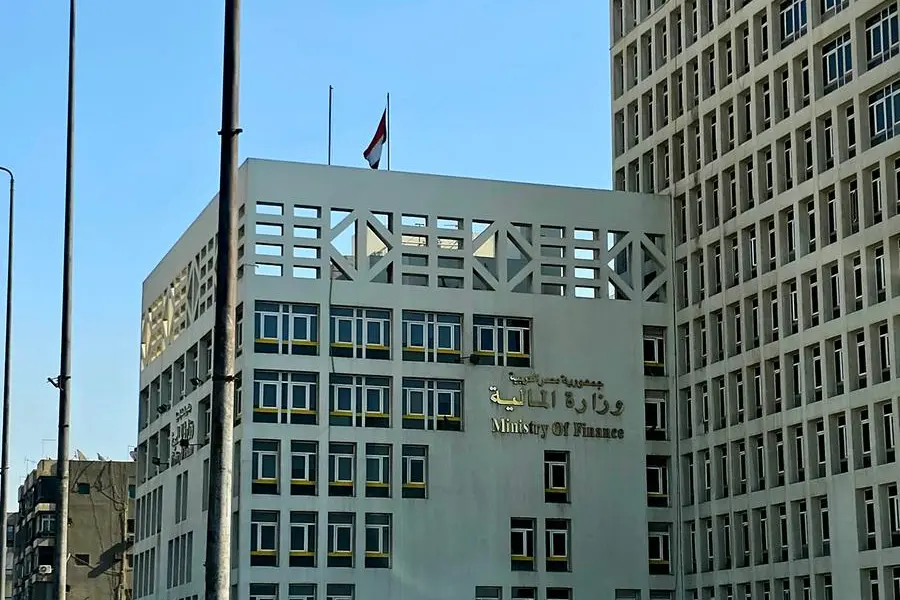
Egypt - The Ministry of Finance announced that Egypt’s five-year credit default swap (CDS) prices fell below 270 basis points on 6 January, marking their lowest level since 2020. At the same time, the cost and yields of international bonds declined sharply by between 300 and 400 basis points compared to the same period last year.
In a statement issued by its Media Observatory, the ministry said that both the debt stock and net borrowing ratios declined as a percentage of GDP, resulting in a continued reduction in the debt-to-GDP ratio of budgetary entities during the first half of the current fiscal year, compared with the same period last year. This development coincided with a notable decline in risk indicators in international markets and among investors, reflecting an improved assessment of the Egyptian economy.
The statement came in response to a media report broadcast by a specialised Arab satellite channel on public debt, which the observatory described as unprofessional and inaccurate, warning that it could mislead non-specialist viewers.
The observatory explained that the report relied on a selective presentation of data that failed to reflect the full and accurate picture. It focused on the volume of new issuances of part of the domestic debt during the first half of the fiscal year, without referencing the size of amortisations and debt repayments during the same period. The report also overlooked other forms of debt, particularly external debt, creating the misleading impression that the debt stock increased by the full value of the issuances. The observatory stressed that such analysis is unsound, as changes in the debt stock are determined by net domestic and external borrowing, not by total issuances alone.
The observatory further noted that the first half of the current fiscal year recorded a strong increase in revenues of more than 30%, exceeding the growth rate of expenditures over the same period. Tax revenues rose by more than 32% year-on-year, generating a primary surplus of nearly EGP 383bn—equivalent to over 1.8% of GDP—compared with 1.3% in the same period of the previous fiscal year. This helped stabilise the overall budget deficit at 4.1% of GDP.
It added that the second half of the fiscal year traditionally delivers stronger fiscal performance than the first, as the tax filing season, higher tax inflows, and the transfer of surplus profits from public companies and government entities to the treasury typically occur between March and June.
The observatory concluded that the continued positive fiscal results confirm the budget’s ability to meet its targets for the current fiscal year, supported by solid and diversified economic performance, strong growth in private investment, and very strong performance in merchandise and services exports.
© 2026 Daily News Egypt. Provided by SyndiGate Media Inc. (Syndigate.info).