Sub-Saharan Africa has roughly 400,000 hotel rooms, but only a mere 10% meet international standards.
With tourism emerging as an increasingly important sector for many Sub-Saharan African countries, there is plenty of room for hotel development companies and hotel operators to find fresh opportunities in the sector.
A new World Bank study highlights Sub-Saharan Africa's tourism potential at a time when the region is on the radar screens of the world's investors.
Sub-Saharan Africa captured 7% of the world's foreign investment in hotels, based on UNCTAD's survey of 300 hotel groups and 1,350 hotels.
"SSA undoubtedly has the potential to attract higher levels of FDI for tourism. However, experience across the continent is mixed," said the World Bank.
"The WTTC [World Tourism and Travel Council] 2011 data reveal that South Africa received by far the most foreign direct investment (USD 6.1 billion) in the SSA region. Ghana attracted the highest tourism FDI in West Africa: USD 270 million, amounting to 4% of total investment. In East Africa, Kenya attracted USD 404 million in tourism FDI and Uganda received USD 165 million in 2011."
The World Bank report places Sub-Saharan African countries in four levels of development: pre-emerging, potential, emerging and consolidating.
Eight countries, namely South Africa, Cape Verde, Ghana, Kenya, Tanzania, Botswana, Mauritius and Namibia, are in the consolidation phase and are easily the most popular destinations in Sub-Saharan Africa.
The other 39 countries are trailing quite far behind, but can make progress with the right planning and incentives.
"Tourism could potentially create millions of jobs, among other economic benefits, if it is developed successfully," said the bank.
"Yet, so far, just eight of SSA's 47 nations have achieved significant tourism success and employ 4% or more of their workforce in tourism. Ten other countries could achieve that same success in the foreseeable future, with 15 others lined up behind. Standing in the way of successful and sustainable tourism development in SSA are a number of persistent constraints."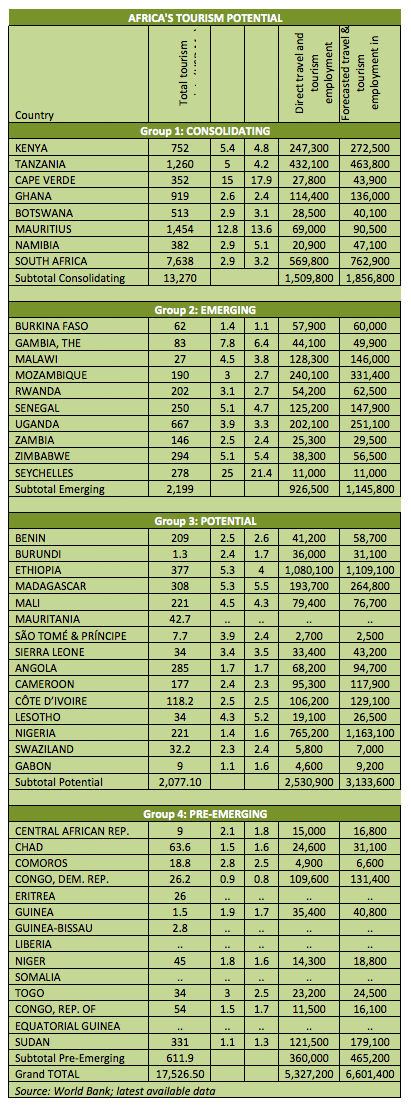
HIGH COST OF HOTEL DEVELOPMENT
Foreign direct investment has become a significant source of investment capital in the tourism sector, but there are some key cost issues facing the sector.
Compared to the global average construction cost of USD 200,000 per room for a full-service hotel, costs in Nigeria are upward of USD 400,000 per room in a mid-market hotel, and USD 250,000 per room in Ghana.
Some African countries are moving to improve the financing framework, by developing specialized hotel financing institutions that operate like mortgage lenders while others have relied on non-bank financial institutions, such as insurance companies or pension funds.
"Tax incremental financing, which involves using real estate taxes on future increases in real estate value, may also be used by urban development corporations to fund expansion," the World Bank said.
A survey of hotel developers showed that the Sub-Saharan African tourism industry was failing on a number of levels compared to their Asian and Middle Eastern counterparts.
Some of the hotel developers concerns included issues of political, economic stability and security issues. The recent terrorist attack on a mall in Nairobi, Kenya for example, is expected to impact tourism in that country. Egypt's hospitality sector is also struggling after more than two years of civil unrest.
Another key issue is the image of the region from an investment perspective. Investors are wary of entering places like Zimbabwe, Libya and DR Congo because of the perceived dangers and instability.
Airline services and unfriendly government policies were also key issues impeding tourism investments.
Lack of qualified professionals can also impede hotel development.
"This is true for all tourism subsectors, including airlines, where the study shows that there is a lack of skilled professionals in the area of network planning, revenue management, maintenance, safety, aerospace purchasing, and quality control."
Many hotels also complain of poor health among the local population, which would reduce the number of employable people. Often a local resident's first language is not English or French, which may serve as another constraint to gainful employment.
AIR TRANSPORT
Building hotels in picturesque settings will not be enough to lure tourists -- availability of affordable transportation is vital to help fill planes.
"The high cost, irregularity, and routing of airlines around SSA reduces the competitiveness of its destinations. Despite comprising 15% of the world's population, the continent is served by only 4% of the world's scheduled air service seats," the bank said.
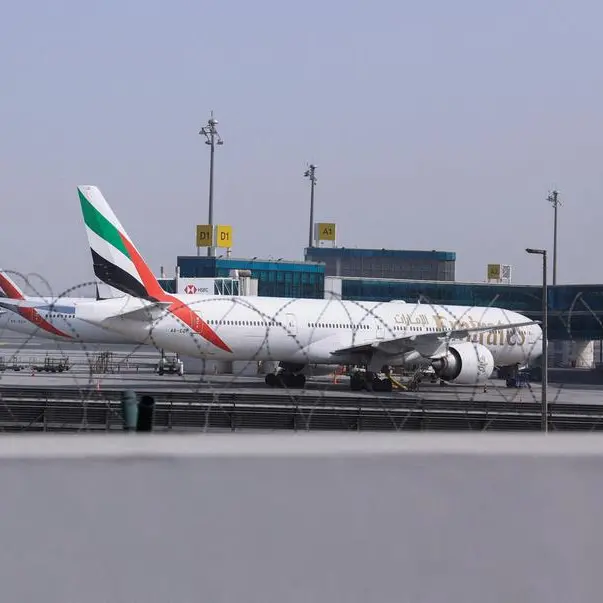
While there has been a surge in air-service seat supply in places like Cape Verde, Ethiopia, Mozambique, and Tanzania, the market is still dominated by long-haul connections from the likes of Emirates Airline, British Airways, Air France and KLM.
"High population density and higher GDP levels have led to particularly strong growth in West Africa's seat capacity over the last few years, as seen by the arrival of African Sky and Arik Air," the bank noted. "The purpose of transnational partnerships is to fly underserved routes while achieving efficiencies of scale. Mauritius, for example, credits some of its tourism success to pooling agreements with major carriers such as British Airways and Air France."
However, touring SSA is an expensive proposition, especially when compared to other popular destinations such as China, Indonesia and India.
According to tour operators, the price of a trip to Malawi could reach as much as USD 5,495 per person, compared to USD 3,000 for China, and USD 2,280 for India.
"A tour operator benchmarking study compared the price of tours to SSA with similar tours to other parts of the world found that charter tours were 20-30% more expensive to SSA than to comparable destinations in other parts of the world."
Lack of open sky policies between various African countries and limited intra-regional flights also present obstacles to creating multi-country package deals.
Africa is brimming with opportunities to develop its hospitality sector. And with the right government incentives and investment in transportation infrastructure access, a number of the countries can emerge as tourist hotspots.
"Africa's private companies are increasingly attracting regional and international investment and the returns on investing in Africa are among the highest in the world," said Mukhtar Diop, vice-president of Africa region at the World Bank. "In close alliance with the private sector, governments must also do their part to create better transport, electricity, infrastructure, and other key services to develop tourism for more broad based growth and improved livelihoods."
© alifarabia.com 2013