PHOTO
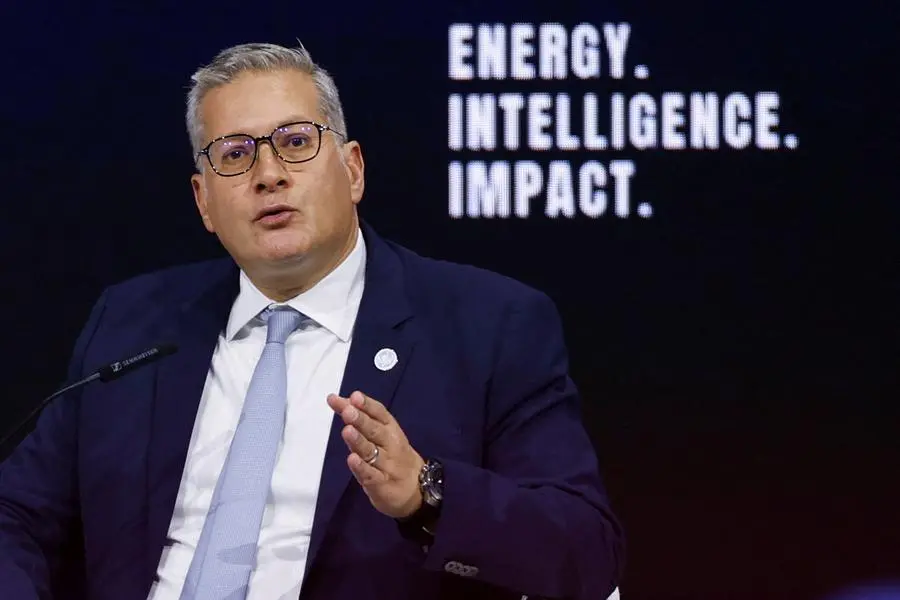
Egypt - As regional instability severely constrains traditional shipping routes, Egypt’s Minister of Petroleum and Mineral Resources, Karim Badawi, has positioned the Arab Petroleum Pipelines Company (SUMED) as the definitive strategic alternative for Gulf oil reaching Mediterranean and European markets.
The strategic importance of SUMED has intensified following a dramatic escalation in regional conflict. Since early March 2026, air strikes involving the US, Israel, and Iran have paralysed the Strait of Hormuz—the world’s most vital energy chokepoint.
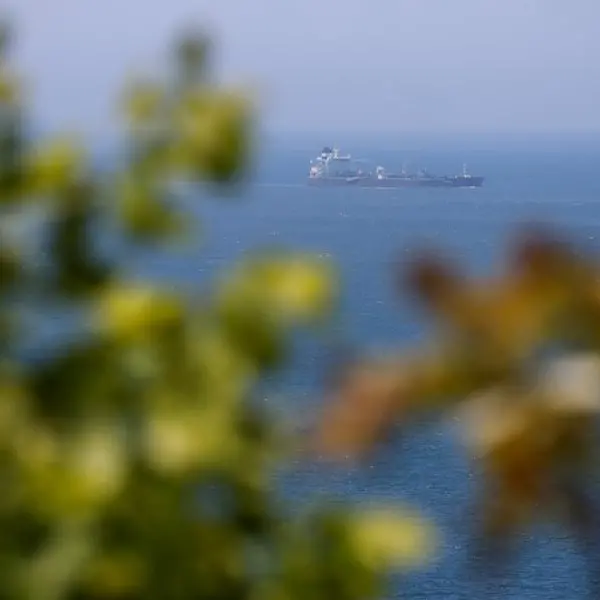
Recent Bloomberg shipping data reveals a staggering 85% decline in commercial traffic through the Strait compared to last year. Reports of heavy signal jamming and tankers “going dark” by disabling transponders near the UAE have become common. With Tehran retaliating via drone and missile strikes across the Gulf, global oil prices have surged past $90 per barrel, marking the largest weekly percentage increase since the 1980s.
Against this backdrop of “Iranian aggression,” as cited by Kuwaiti officials, and production cuts by the UAE and Kuwait, the SUMED pipeline has stepped in to stabilise supply chains.
Speaking at SUMED’s ordinary general assembly, Minister Badawi characterised the pipeline as a cornerstone of energy security for its shareholders: Egypt, Saudi Arabia, Kuwait, the UAE, and Qatar.
“SUMED is a leading model of joint Arab investment,” Badawi stated. “It provides a secure, efficient route that bypasses current maritime bottlenecks, ensuring that Arab oil continues to reach global markets despite the complex geopolitical landscape.”
The Minister also highlighted SUMED’s domestic contributions, noting its “pivotal role” in supporting Egypt’s national grid during the summer of 2025. By hosting Floating Storage Regasification Units (FSRUs) at its Ain Sokhna port, the company secured the country’s gas supply—a system Badawi insisted must be monitored closely as the 2026 summer season approaches.
2025 Operational Excellence
Despite global volatility, SUMED reported exceptional operational results for the 2025 fiscal year:
- Throughput:Transported approximately 50 million tonnes of crude oil (approx. 365 million barrels).
- Growth:Oil volumes doubled as the company ramped up receiving and re-exporting capacities between the Red Sea and the Mediterranean.
- Diversification:For the first time, the transportation and trading of petroleum products accounted for 25% of total revenues.
- Safety:Achieved 5 million safe working hours, adhering to peak international environmental and occupational health standards.
Strategic Perspectives from Shareholders
Ahmed Al Khanini, Senior VP of Sales and Supply Planning at Saudi Aramco, emphasised that SUMED has evolved from a simple pipeline into an integrated regional energy hub. “The current suspension of operations by major global shipping firms in the Red Sea has underscored SUMED’s role as a primary pillar of global energy security,” Al Khanini remarked.
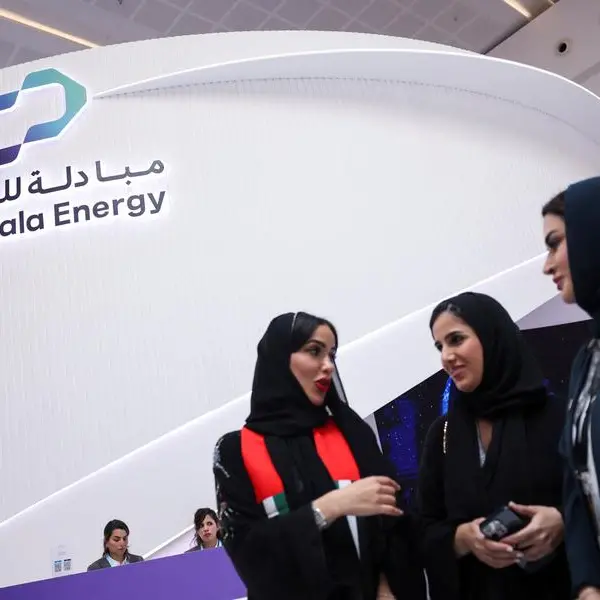
Zayed Al Mazrouei of Mubadala Energy echoed this sentiment, affirming the UAE’s full support for SUMED’s future expansion projects, particularly as the company proves its resilience in the face of fluctuating production and refining outputs across the Gulf.
The assembly was attended by key industry veterans, including former Petroleum Ministers Tarek El Molla and Osama Kamal, who currently serve on the SUMED board. Minister Badawi noted that their legislative and technical expertise provides a “valuable addition” to the company’s governance during this period of high-stakes energy diplomacy.
© 2026 Daily News Egypt. Provided by SyndiGate Media Inc. (Syndigate.info).