Thursday, Apr 12, 2007
By Spencer Swartz
OF DOW JONES NEWSWIRES
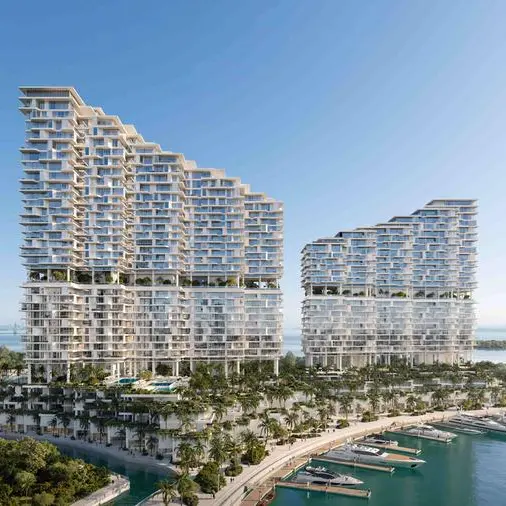
ERBIL, Iraq--Several companies from the United Arab Emirates, including giant property developer Emaar Properties (EMAAR.AI), are looking at investing billions of dollars in energy, infrastructure and property projects in the semi-autonomous Kurdish region of northern Iraq, Kurdish Trade Minister Muhammed Rauf said Thursday.
Four groups each with around 25 U.A.E. companies are scheduled to visit the Kurdish region starting at the end of April and progressing over the next two months to get a closer look at investment opportunities in the fast-growing area, Rauf told Dow Jones Newswires in an interview in the regional capital of Erbil.
"Emaar is one of the companies coming. We've had good discussions with them about (building) apartments, hotels and other properties. They will come and evaluate what we are offering," Rauf said.
"These companies have a lot of money and I know they are prepared to use it," he said. Rauf said his confidence about the investment prospects of U.A.E companies in Kurdish projects was based on discussions he had with several Emirate companies during a big investment conference last month in Dubai, the U.A.E's commercial hub.
Dubai-based Emaar, the biggest Arab property developer by market value, doesn't have operations in Iraq, a company official said.
The Kurdish region has become a magnet for foreign investment over the past three years, particularly in the oil and construction sectors, on a foundation of a relatively secure environment and plentiful and attractive investment opportunities. The Kurdish region's top trade partners are neighboring Turkey and Iran.
Since two separate suicide attacks in 2004, the Kurdish region, cocooned by strong protections from the Kurdish military, security and intelligence services, has been free of the kind of insurgents attacks that happen almost daily elsewhere in Iraq.
More than $15 billion has been plowed into the region by foreign companies over the past couple of years. The Kurdish-governed region, with around 5 million mostly Kurds, consist of the provinces of Erbil,, Suleimania and Duhok.
The region has enjoyed de facto independence since 1991 when the U.S. military created a no-fly zone over the area to prevent attacks by Saddam Hussein's forces.
The powers of the Kurdish Regional Government have widened considerably since the toppling of Saddam Hussein in 2003 and the 2005 passage of Iraq's post-war constitution, which bases Iraq's political configuration on a federalist system that gives the country's regions vastly more control over their own affairs relative to the days of Saddam's rule.
Rauf also said the Kurdish government was in discussions with foreign banks and consultants about the creation of a Kurdish Stock Exchange. "We have been taking steps toward this and we hope over the next year or two to have this established."
Nearly all Kurds favor formal independence but the KRG has so far resisted those calls in order not to provoke neighboring Turkey, Iran and Syria, all of whom have big Kurdish populations which, those nations fear, would rise up and try to break away to join an independent Kurdish state.
-By Spencer Swartz, Dow Jones Newswires; +44 (0)207 842 9357; spencer.swartz@dowjones.com
(END) Dow Jones Newswires
12-04-07 1259GMT