PHOTO
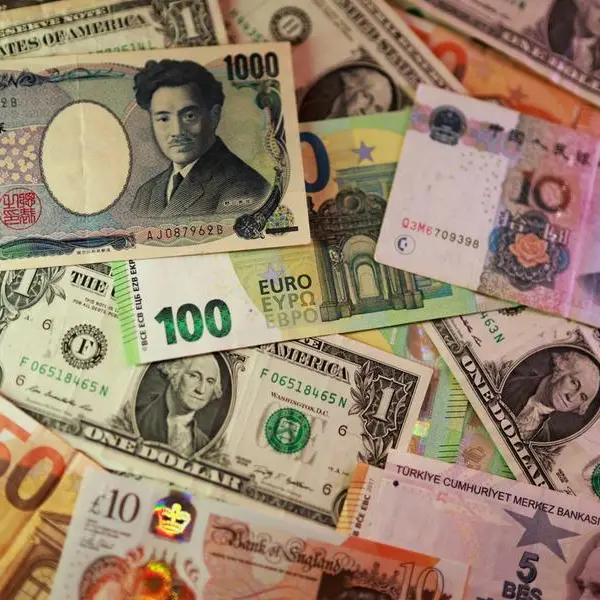
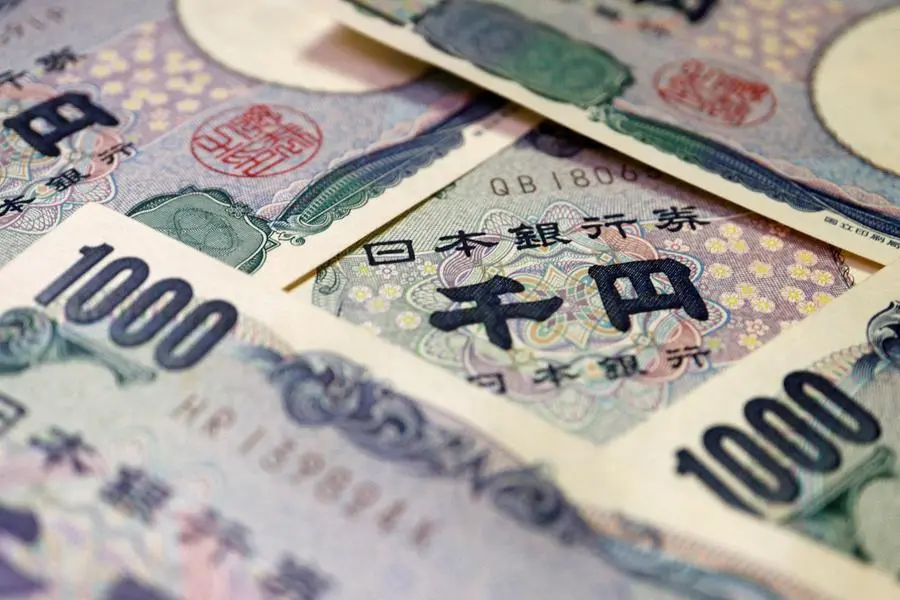
The yen recovered some ground on Monday following a drop late last week as markets considered the timing of more interest rate hikes in Japan and the possibility of intervention, while thin end-of-year trading left European currencies little changed.
Bank of Japan policymakers debated the need to continue raising rates, a summary of opinions at their policy meeting in December showed on Monday. Japan has a free hand in dealing with excessive moves in the yen, Finance Minister Satsuki Katayama said last week.
Those intervention warnings have helped keep a lid on dollar-yen positions, but pessimism about Japan's currency is showing up in other foreign exchange crosses, said Bart Wakabayashi, Tokyo branch manager at State Street.
"I think a long position in yen is quite painful," Wakabayashi said. "We're seeing some expression of yen shorts against these currencies, particularly Aussie-yen."
"The market is still trying to figure out what kind of role the yen plays now in terms of being a safe haven," he added.
The dollar was last down 0.26% at 156.3 yen after a 0.45% jump on Friday. The yen traded at 105.02 versus the Aussie, just below the 17-month low of 105.08 that it touched on Friday.
The dollar index, which measures the greenback against a basket of currencies, was slightly softer at 97.95. The euro was a touch firmer at $1.1780. Sterling was flat at $1.3503.
The BOJ raised its policy rate to a 30-year high of 0.75% from 0.5% at its December meeting. The summary of opinions released on Monday showed many board members saw the need for further increases to the rate, which remained significantly negative in inflation-adjusted terms.
The rate hike failed to halt depreciation of the yen, which slid as low as 157.78 per dollar on December 19, prompting intervention warnings. Japan last stepped into markets to defend its currency in July 2024, buying yen after the currency hit a 38-year low of 161.96.
With few data points this week and thin trading ahead of New Year's holidays in many markets, geopolitical developments were taking centre stage. U.S. President Donald Trump said on Sunday that he and Ukrainian President Volodymyr Zelenskiy were "getting a lot closer, maybe very close" to an agreement to end the war in Ukraine, though both leaders acknowledged that some of the thorniest details remained unresolved. Sabre-rattling continued in Asia, with China positioning military units around Taiwan in preparation for live-fire drills on Tuesday.
North Korean state media, meanwhile, said leader Kim Jong Un oversaw the launch of long-range missiles on Sunday, with South Korea's Yonhap reporting that more tests could take place around New Year's Day.
The main data focus this week will be Tuesday's release of minutes from the Federal Open Market Committee's meeting earlier this month. The U.S. central bank cut rates at the gathering and projected just one more reduction for next year, but traders have priced in at least two more.
"The FOMC revised the post-meeting statement to imply a higher bar for further rate cuts, and Chair Powell also got across that message in his press conference. We expect the minutes to the December meeting to note ongoing disagreement among FOMC participants about the appropriate policy path over the near term," Goldman Sachs analysts said in a note.
The Australian dollar was little changed at $0.6717, while the Swiss franc was stronger at 0.787 per dollar.
(Reporting by Rocky Swift; Editing by Muralikumar Anantharaman and Kate Mayberry)