PHOTO
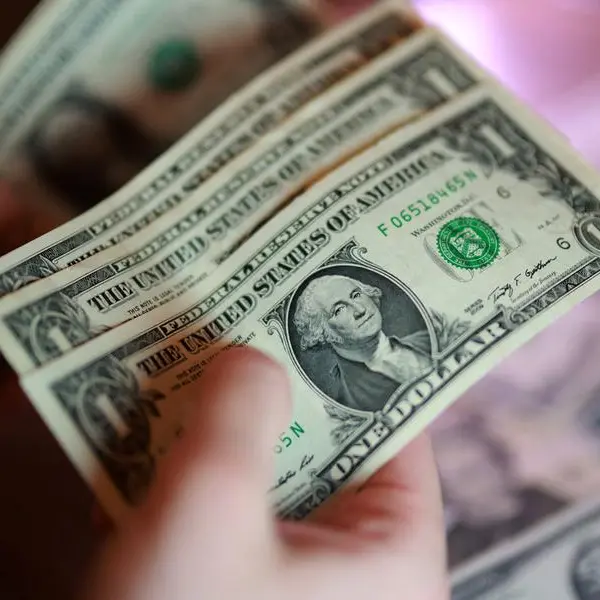
The U.S. dollar rose against the euro, yen and Swiss franc on Monday, lifted by higher energy prices and safe-haven bids after U.S. and Israeli strikes in Iran heightened concerns about a prolonged conflict in the Middle East.
Investors are closely watching developments around shipping in the crucial Strait of Hormuz which was disrupted by retaliatory Iranian attacks. A sharp and prolonged rise in oil prices would severely hurt the economies of Japan and the euro area, which rely heavily on crude imports, while the United States would be relatively insulated, having been a net crude exporter for almost a decade.
"The reaction at the center of everything is that of the oil market," said Thu Lan Nguyen, head of forex and commodity research at Commerzbank. "Even the news that some OPEC+ countries will expand production more strongly next month than previously planned does little to change this (the economic impact of oil prices), given the fact that most of these countries have only very limited options to export their crude oil via alternative routes," Nguyen added.
Barclays analysts estimated the greenback could strengthen by 0.5%-1% for every 10% increase in oil, arguing the escalation in Iran adds to recent dollar tailwinds via higher energy prices and risk aversion. The Israeli military said its air force had killed Iran's Supreme Leader Ali Khamenei and his death, at 86, was confirmed by Iranian state media, setting off a high-stakes succession race.
Attacks extended into Monday after Iran hit back, with the Iranian Revolutionary Guard saying it had struck three U.S. and British oil tankers, while blasts were reported over Dubai and Doha.
The U.S. dollar index, a measure of the dollar’s value versus key trading partners, was 0.68% higher at 98.31, after hitting 98.566, its strongest level since January 23.
SNB PUTS PRESSURE ON SWISS FRANC
The Swiss National Bank said on Monday it was more willing to intervene in foreign currency markets after the conflict in the Middle East.
The Swiss franc dropped 0.30% to 0.9116 against the euro after hitting a fresh 11-year high at 0.9028. It dropped 1.10% to 0.7775 against the greenback, but was trading not far from the decade-high of 0.7604 touched at the end of January.
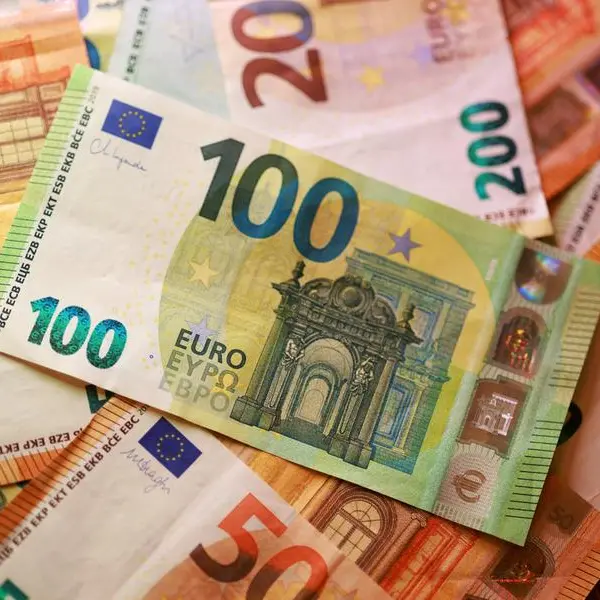
The euro fell 0.82% to $1.1719, after reaching $1.1698, its lowest since January 22.
Markets are also looking at a potential tightening of the European Central Bank monetary policy, with traders reducing their bets on future rate cuts, pricing in less than a 20% chance of an easing move in December from around 40% on Friday.
"Given the still relatively fresh memories of the recent inflation surge, the ECB is unlikely to see any new oil price-driven inflation spike as transitory," said Carsten Brzeski, global head of macro research at ING. "However, to see a rate hike, the eurozone economy would have to show clear resilience."
YEN DROPS WITH BOJ STANCE IN FOCUS
The yen weakened 0.69% to 157.13 against the dollar after hitting 157.25 earlier, its lowest since February 9. "An energy-supply shock represents serious challenges to the Bank of Japan and could also derail Prime Minister (Sanae)Takaichi’s upcoming spending plans, which already required a strong fiscal offset," said Savage, head markets strategist at BNY.
The yen firmed after Takaichi’s February 8 victory on expectations of stimulus-driven tightening, before giving up those gains as doubts emerged over a potentially dovish Bank of Japan. BoJ Deputy Governor Ryozo Himino said the growing market volatility would not prevent the central bank from raising rates, arguing that it was inappropriate to automatically tie its policy decision to market developments.
The risk-sensitive Australian dollar tumbled as much as 1.2% before paring declines to 0.60% and was last trading at $0.7025.
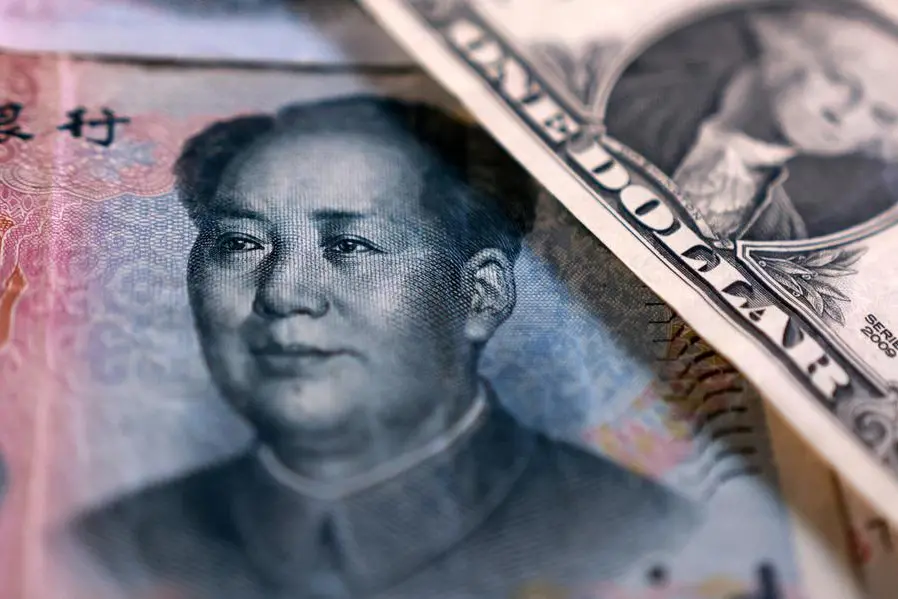
China's yuan in offshore trade was 0.25% weaker at 6.8861 to the dollar, as the People's Bank of China weakened its daily fixing price for the currency onshore to stem appreciation against the greenback. China is an energy importer and the main buyer of Iranian oil.
(Reporting by Stefano Rebaudo; additional reporting by Tom Westbrook and Gregor Stuart Hunter; Editing by Stephen Coates, Christopher Cushing and Toby Chopra)