PHOTO
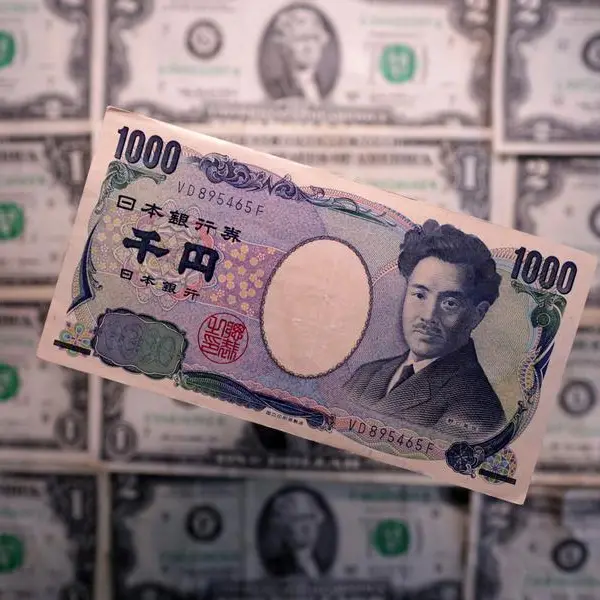
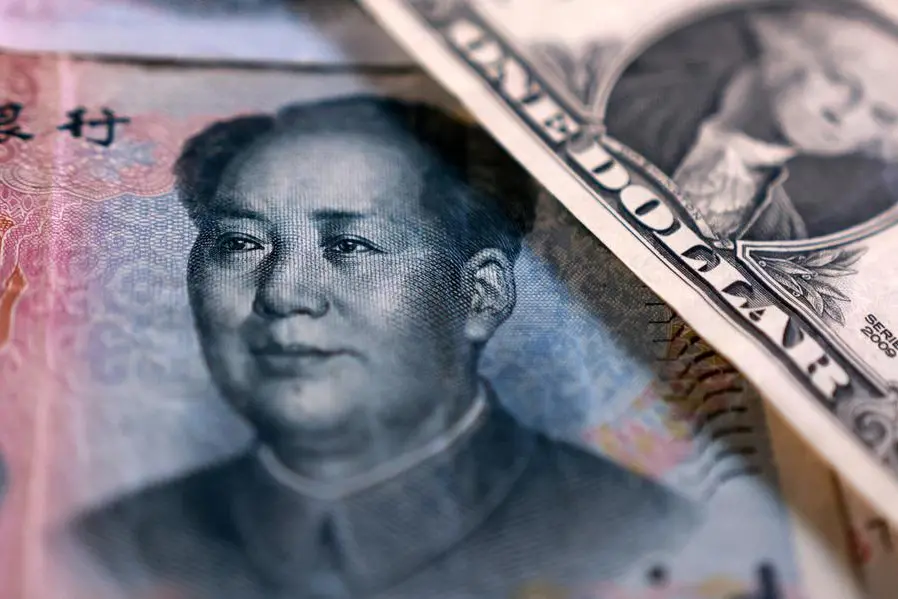
BEIJING/SHANGHAI - China's central bank moved to rein in the fast-rising yuan on Friday, scrapping risk reserves requirements for forex forward contracts in a move that would encourage dollar buying as exporters start to feel the pinch from a stronger currency.
The decision came after the yuan hit a near three-year high against the dollar on Thursday. It pulled back in Friday, pausing a sparkling rally largely driven by an unexpected boom in exports.
China's currency is up more than 7% on the dollar since last April. The PBOC's move, along with its weaker-than-expected setting of the currency's trading band on Friday, are the strongest pushback yet on the months-long rally.
"It means the PBOC is intervening as the yuan's appreciation is too fast," said Yuan Tao, an analyst at Orient Futures.
But he said the measure will only slow the yuan's appreciation, expecting the dollar to remain weak.
The People's Bank of China (PBOC) said it would remove the reserve requirement of 20% on forex forward contracts from March 2, vowing to maintain the yuan's exchange rate at a "reasonable and balanced level."
The move would "make it less punitive for market participants to bet against the yuan," Maybank said in a note to clients.
"It is clear that PBOC wants the yuan appreciation pace to slow."
Although a stronger yuan would make Chinese assets more appealing to foreigners and makes imports cheaper, it would hit Chinese exporters whose receipts are mostly settled in dollars.
On Friday, Beijing Ultrapower Software Co blamed yuan strength for contributing to its 28% plunge in 2025 profit, joining a growing list of corporate victims.
"The company's revenues are mainly settled in the dollar, so we swung to forex conversion losses" as the dollar fell, it said in a flash earnings statement.
RUSH TO SELL DOLLAR
The PBOC's move comes amid exporters' rush to sell dollars in both the spot and forwards market, while importers delay buying the greenback for payment.
That resulted in net forex inflows totaling $79.9 billion in January, the third biggest in history, according to official forex settlement data. That followed record inflows in December.
Liu Yang, general manager of the financial market business department at Zheshang Development Group, said in the near term the PBOC's latest move will release some pent-up demand for buying dollars through forwards, helping to balance market supply and demand.
But the mild nature of the measures suggests "the PBOC sees little risk of further yuan depreciation and still believes there is significant room for the currency to appreciate."
Last year, the yuan posted its biggest annual gain against the dollar since 2020, and the upward momentum has continued into the new year as analysts expect another strong year for Chinese exports.
Chinese shippers have been able to find more buyers in markets outside the U.S. after Washington ramped up tariffs, helping to offset weak domestic demand which is weighing on the economy.
Xu Tianchen, a senior economist at the Economist Intelligence Unit, said "the renminbi has been strong even as the dollar is largely stable, suggesting strong market conviction that it's undervalued."
Highlighting the urgency for Chinese companies to embrace forex hedging, a growing number of listed companies say the stronger yuan is hurting their profits.
Suzhou Junchuang Auto Technoloies, whose sales are mostly settled in dollars, said on Wednesday the yuan's strength contributed to its 31% slump in 2025 profit.
Robot maker Ninebot, Shenzhen Hello Tech Energy Co and Shenzhen Hui chuang Da Technology also disclosed negative impacts from yuan appreciation.
(Reporting by Winni Zhou and Joe Cash; Additional reporting by Samuel Shen; Editing by Jacqueline Wong and Kim Coghill)