PHOTO
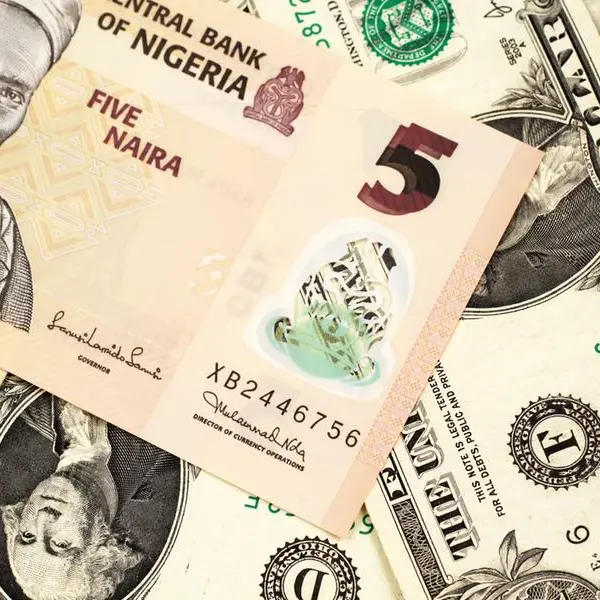
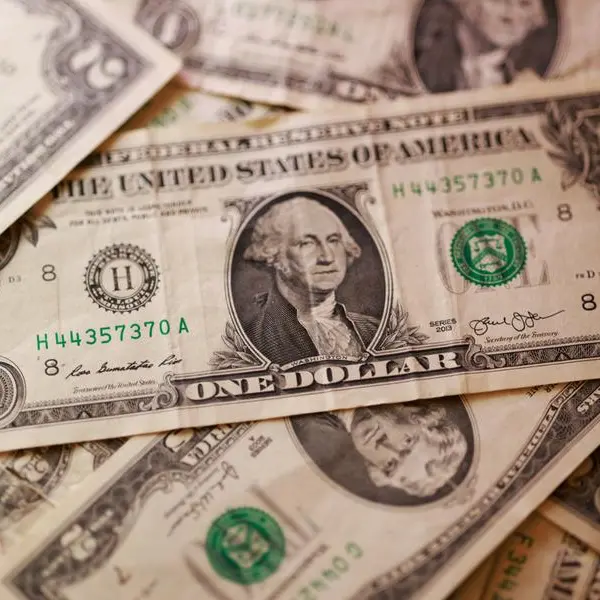
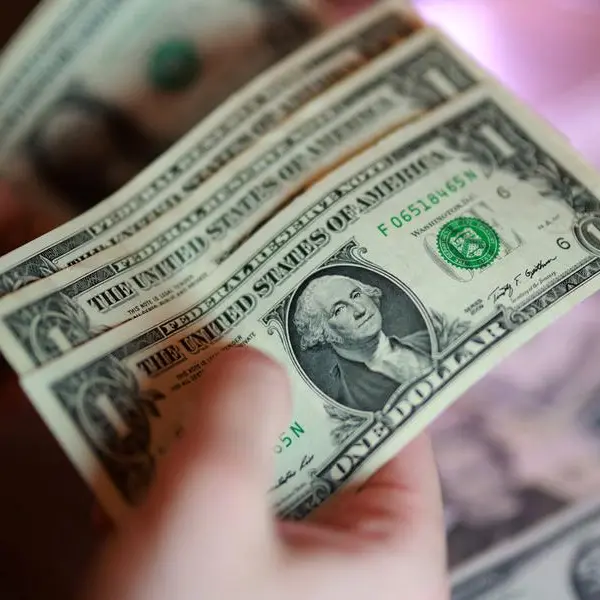
The U.S. dollar extended gains on Tuesday as the deepening conflict in the Middle Eastrekindled inflation concerns and prompted a flight to safety, while the yen hit its lowest in over five weeks.
The spike in oil prices has led to traders reassessing expectations of interest rate cuts by global central banks, especially in countries that rely heavily on crude imports.
Traders are also viewing the U.S. as a relative refuge due to its greater energy independence, even as the dollar's status as a dependable safe haven has been questioned over the past year.
"As a major oil producer with the world's reserve currency, the U.S. is likely to be seen as a safe haven for investor funds," said Schwab Center for Financial Research's Chief Fixed Income Strategist Kathy Jones.
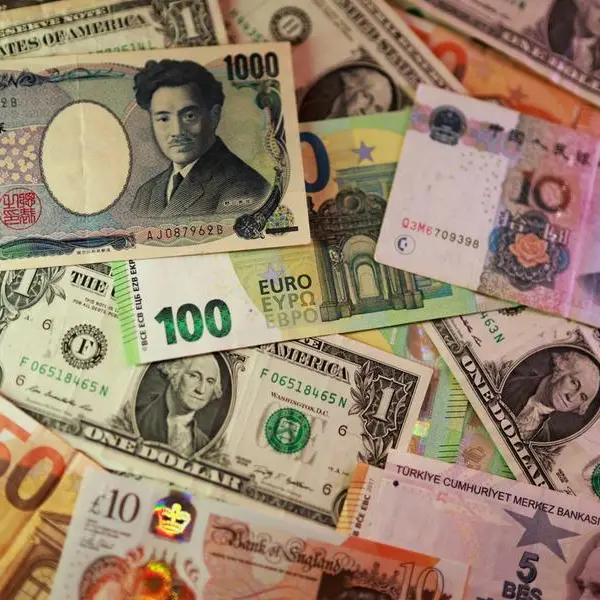
The euro slid to its lowest level against the dollar since January and was last down 0.8% at $1.1595.
The yen weakened 0.24% to 157.72 per dollar, its lowest since January 23, when the New York Federal Reserve reportedly conducted rate checks on the dollar/yen pair.
Europe and Japan are more exposed to higher energy costs than the U.S., which is a net energy exporter.
"Europe and Japan stand out within the major economies, in that they still have a great need to import energy," Rodrigo Catril, a currency strategist at National Australia Bank, said on a podcast.
"History will tell you that currencies such as the yen and the euro would struggle to perform."
The dollar index, which measures the greenback against a basket of currencies, rose 0.77% to 99.267, the strongest in more than a month.
However, Invesco strategists cautioned that the rally could be short-lived, highlighting that "tepid" dollar gains after U.S. strikes on Iran's nuclear sites last June quickly gave way to underperformance.
CONCERNS GROW THAT RATE CUTS WILL BE PUSHED BACK
Japanese Finance Minister Satsuki Katayama said financial officials are closely monitoring markets with an "extremely strong sense of urgency".
When asked about the possibility of currency intervention, she said Japan had reached a common understanding with the U.S. last year.
"I think the initial knee-jerk reaction when conflict arises is always flight to safety," Serene Chen, JPMorgan's head of credit, currency and emerging market sales APAC, said at a media roundtable in Singapore.
Concerns that higher inflation will delay the Federal Reserve's next cut in interest rates also boosted the dollar. Rate cuts typically weigh on a currency.
A rate cut is no longer fully priced in until September, compared to previous expectations of July, based on pricing in the Fed funds futures market. Traders continue to price in two 25-basis-point cuts by year-end.
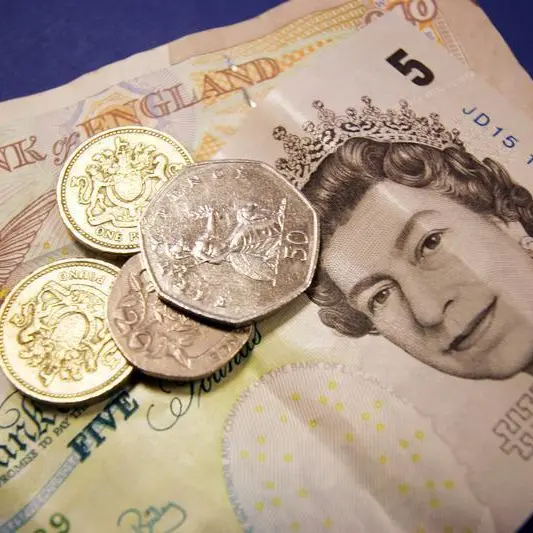
Sterling weakened 0.87% to $1.3290, hitting its lowest since December. The currency had already been languishing due to domestic economic and political headwinds.
The Swiss franc was down 0.1% at 0.9118 per euro. In a rare verbal intervention on Monday, the Swiss National Bank signalled that it would be willing to intervene to check the gains in the franc, which can hurt exporters.
U.S. President Donald Trump said the war could continue for weeks and that it was unclear who was in charge in Iran after the death of Supreme Leader Ayatollah Ali Khamenei.
Israeli Prime Minister Benjamin Netanyahu sought to ease concerns about the timeline, telling Fox News it would not be an "endless war".
(Reporting by Niket Nishant in London, Rocky Swift in Tokyo and Rae Wee in Singapore; Editing by Christian Schmollinger and Kevin Liffey)