PHOTO
Banks across the GCC are expected to significantly increase provisions for loans and lease losses in the next two financial years, according to data from Visible Alpha, part of S&P Global Market Intelligence.
In aggregate, provisions are estimated to reach $10.03 billion and $11.59 billion in 2026 and 2027, up from $7.63 billion in 2025, the data showed.
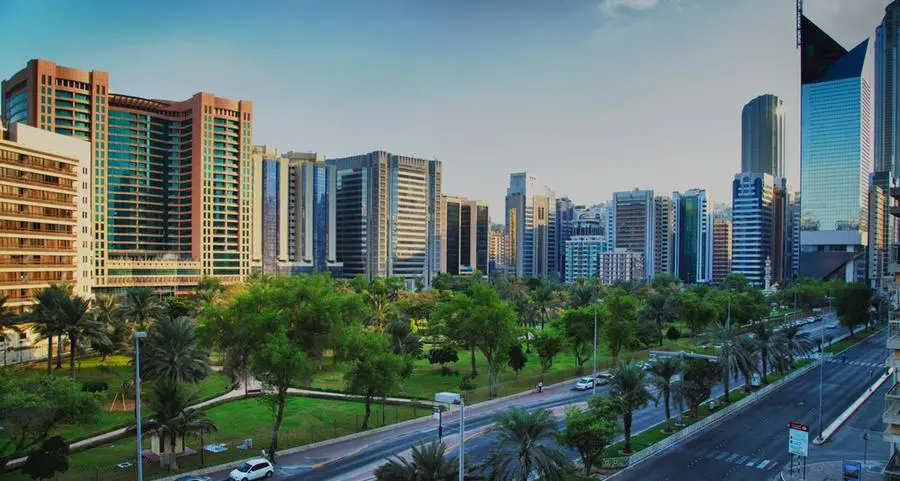
Real estate exposures pose a significant risk to UAE banks as the Middle East war drags on, with the pressure likely to increase the longer the conflict lasts.
"Given the population is 80% to 90% expats and a significant reliance on foreign investment in real estate, the UAE, and notably Dubai, is particularly exposed to the indirect effects of the current conflict," said Mohamed Damak, managing director for financial institutions ratings at S&P Global Ratings.
A key risk is the potential drop in rents, Damak said, as much of the real estate exposure is to income-generating properties where rents are used to repay the loans.
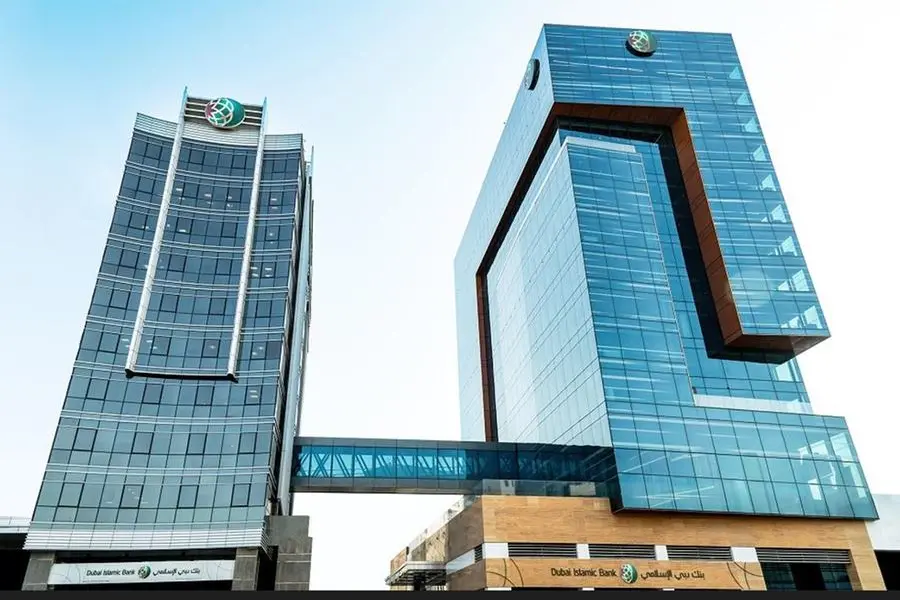
According to the report, Dubai Islamic Bank had the highest real estate loan-to-total loan ratio at 25.50% as of the end of 2025.
First Abu Dhabi Bank was next at 25.14%, followed by Mashreqbank and Abu Dhabi Commercial Bank. Emirates NBD Bank had the lowest proportion at 10.66%.
A potential uptick in non-performing loans, particularly among midsize developers and subcontractors, which are more vulnerable to payment delays and rising funding and construction costs, poses the biggest headwind, the report said, quoting Ranya Gnaba, a financial analyst at Tunisia-based AlphaMena.
"From a risk management perspective, banks are likely to increase forward-looking provisioning, anticipating a potential deterioration in the macroeconomic cycle," Gnaba stated.
UAE banks came into this conflict from a position of strength, S&P said. They have achieved consistently robust earnings, while capitalisation levels are strong and loan books are more diversified than in previous cycles.
"While the potential impact of the war on banks is uncertain and will depend on the duration of the war, banks' good capitalisation and profitability should help them absorb a significant deterioration in asset quality," S&P's Damak said.
Texas ratios
The five largest banks' Texas ratios — a metric that captures lenders' ability to absorb future losses — have significantly improved in recent years.
Mashreqbank had the lowest ratio of the five at 4.85% at the end of 2025, down from 20% in 2021. Dubai Islamic Bank had the highest Texas ratio among the five biggest banks, but it still declined by more than half, to 12.13%, over the same period.
(Editing by Seban Scaria seban.scaria@lseg.com)