PHOTO
Middle Eastern airlines, some of the biggest globally, have been hit hard by the Iran conflict that has seen air strikes across the Gulf region, disrupting busy airport hubs and redrawing traffic routes across the skies.
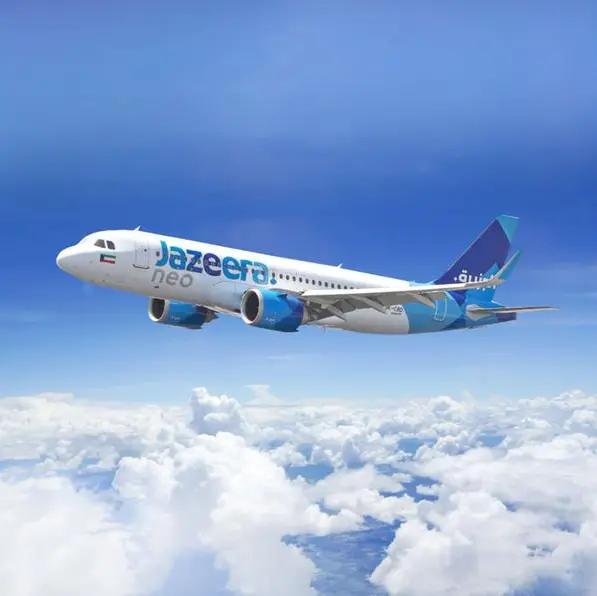
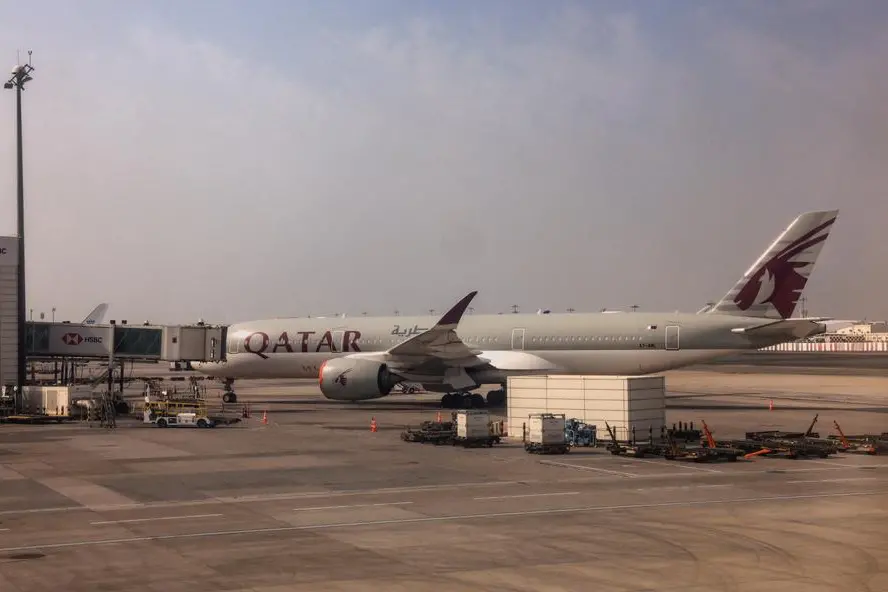
Major state-backed carriers in the region including Emirates , Etihad Airways, flydubai, Qatar Airways and Air Arabia saw flight numbers drop to near zero after the initial February 28 strikes by U.S. and Israeli forces on Iran.
With a two-week ceasefire in place, flight numbers from the key United Arab Emirates, which includes Abu Dhabi and Dubai, have slowly picked up since then, though they remain well below pre-conflict levels, data compiled by Flightradar24.com show.
The recovery has not been even. Flightradar24.com data show Dubai-based Emirates is back at nearly 70% of its pre-conflict flight volume, with Etihad at a similar level. Qatar Airways and Air Arabia have got back to near 50%, with flydubai at just over 40%.
The war on Iran has impacted fares and demand, hit airlines that do not hedge against oil prices as jet fuel prices soar, disrupted schedules in Europe and Asia, prompted airlines to warehouse planes and led to lengthy "flights to nowhere".
Air travel's worst crisis in years saw Qantas Airways warn on April 14 of spiralling costs, while Lufthansa said it may have to ground planes and Virgin Atlantic flagged a looming supply crunch, with the Iran conflict squeezing fuel supplies.
(Compiled by Adam Jourdan; Editing by Alexander Smith/Keith Weir)