PHOTO
SYDNEY - Australia on Wednesday relaxed its travel advice for several Middle Eastern countries, allowing Australians to transit through and travel to the biggest Gulf air hubs with the security of being covered by insurance.
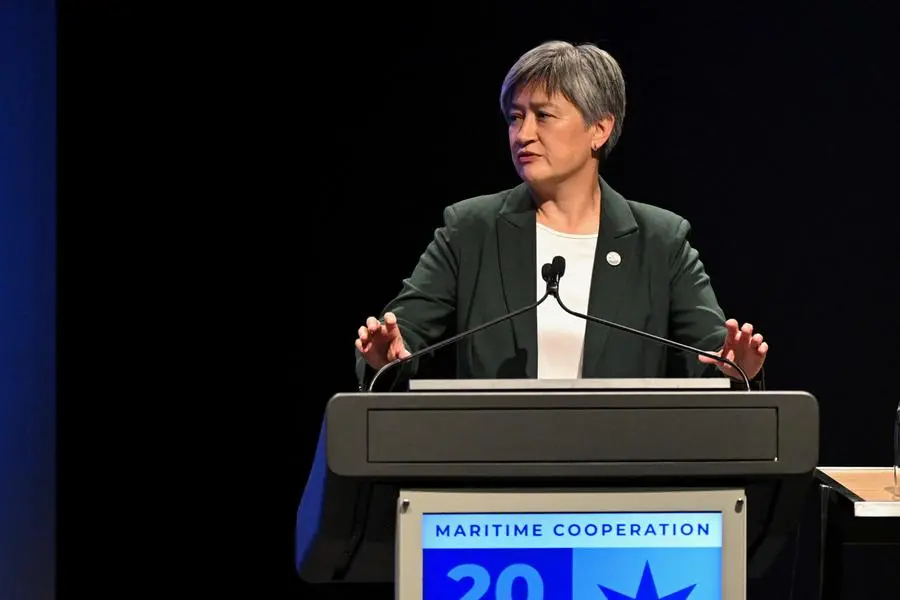
Foreign Minister Penny Wong said the previous "do not travel" advisory had been lowered for the United Arab Emirates, Qatar, Bahrain, Israel and Kuwait after the U.S. and Iran reached an interim deal to end the war.
She said the advisory had moved to "reconsider your need to travel" to those countries, as the security situation could still deteriorate rapidly with little warning.
The removal of the "do not travel" warning is positive for Gulf airlines. They had carried more than half of all passengers flying from Europe to Australia, New Zealand and Pacific Islands before the war began in late February, according to aviation data firm Cirium.
Many Australian travellers concerned about the risk of missiles and drones, schedule disruptions and the lack of travel insurance coverage had preferred flights on carriers like Qantas Airways, Singapore Airlines and Hong Kong's Cathay Pacific Airways that transited in Asia, driving up airfares.
Flight Centre Travel Group said on Wednesday that travellers with forward bookings to Europe routed via the Middle East had typically amended or cancelled plans due in part to the government warning that stripped Australians of insurance coverage.
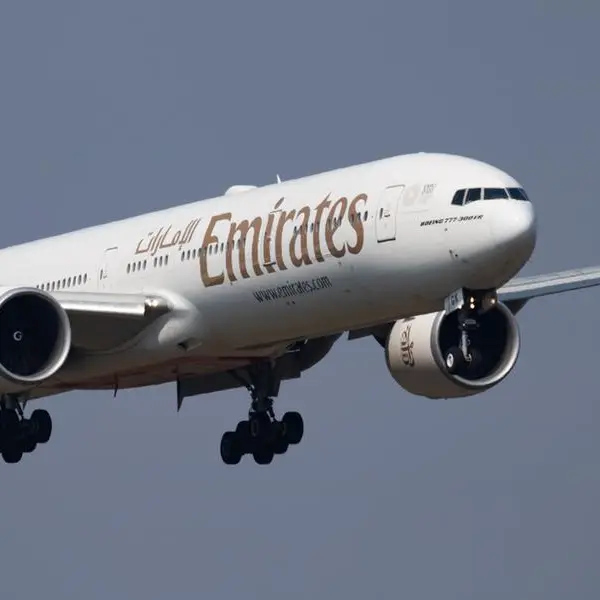
Emirates said last week it would roll out incentives aimed at winning back travellers worried about the protracted Iran war, focusing on reliability and customer support rather than lower fares because the oil price remained high.
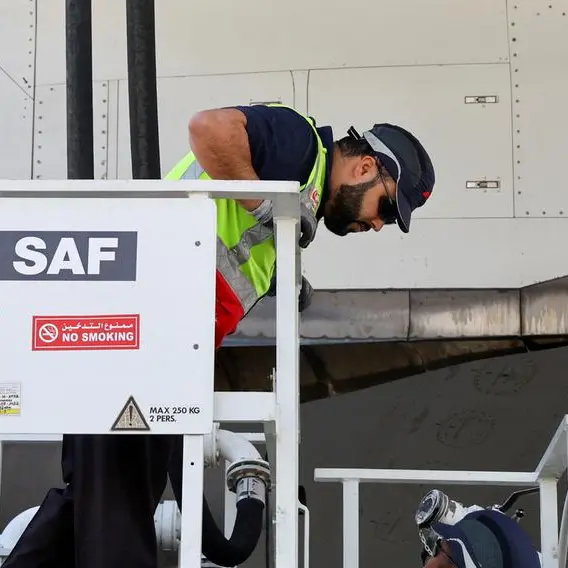
Jet fuel prices more than doubled after the Iran war began, leading many airlines to lift ticket prices, cut capacity and add fuel surcharges.
But the price gains have since receded as the prospects of a peace deal improved. Singapore jet fuel traded at about $116 a barrel on Tuesday, higher than the pre-conflict price of around $80 but less than half of the March 30 high of $242.
Oil prices slid more than 2% to new three-month lows on Tuesday, a day after tumbling nearly 5% following news of the U.S.-Iran deal, although industry officials say Middle East oil and gas output will take months to fully recover.
(Reporting by Renju Jose in Sydney and Julie Zhu in Hong Kong; Editing by Anne Marie Roantree and Jamie Freed)