PHOTO
Global airlines are raising ticket prices, cutting some services and reviewing schedules as soaring jet fuel costs linked to the Middle East conflict squeeze margins, while widespread flight disruptions continue to hit passenger traffic and tourism demand worldwide.
Airlines including Delta Air Lines and American Airlines have warned that elevated fuel prices are sharply increasing operating costs, with each carrier estimating an additional burden of about $400 million in the first quarter itself.
Jet fuel prices have roughly doubled in Europe and risen by about 80% in Asia since the conflict intensified, forcing airlines across major markets to pass on costs through higher fares rather than absorb them fully.
The pressure comes as carriers worldwide continue to reroute flights to avoid conflict zones and temporary airspace restrictions across parts of the Gulf, adding flight time, fuel burn and crew expenses.
Several airlines in Europe and Asia have reduced frequencies on long-haul routes, while some carriers have imposed temporary fuel surcharges on selected sectors. Industry analysts say the cost escalation is becoming the most serious external shock to aviation since the sector’s post-pandemic recovery began.
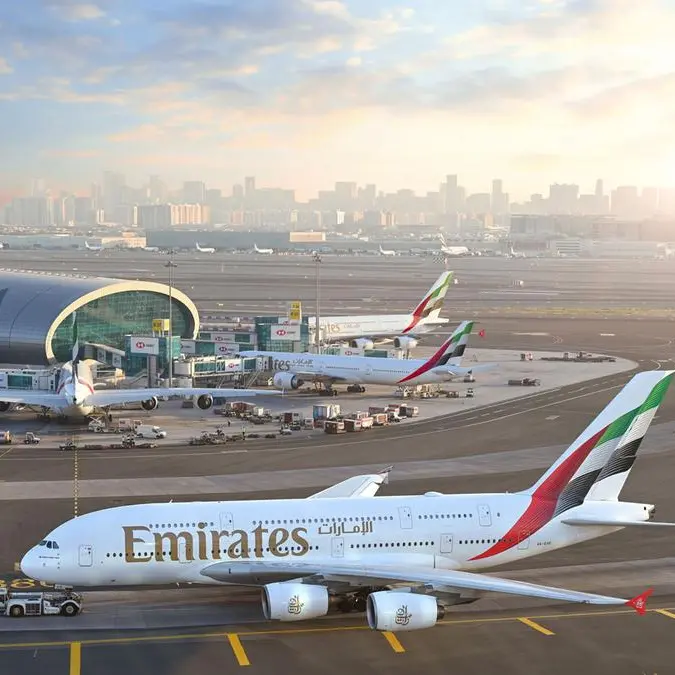
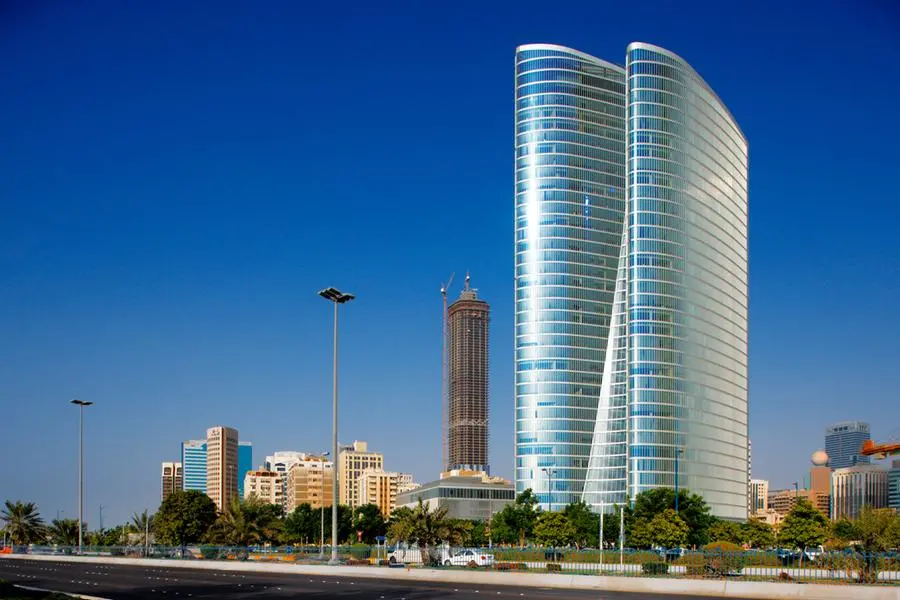
Passenger disruption is also widening. Thousands of travellers have faced delays, cancellations or missed onward connections as major Gulf transit hubs operate under restrictions. Airports in Dubai, Doha and Abu Dhabi — which together handle more than half a million passengers daily — have seen repeated schedule adjustments, leaving many travellers stranded and prompting a rise in trip cancellations, according to industry estimates.
The wider economic fallout is spreading through tourism and hospitality. Research group Tourism Economics estimates the Middle East could lose between $34 billion and $56 billion in visitor spending this year if disruption persists, with a mid-range impact of around $35 billion increasingly cited by travel operators. International visitor arrivals to the region could fall by 11% to 27%, reversing earlier forecasts for growth, reports said.
Travel companies say bookings to parts of the eastern Mediterranean and Gulf have weakened sharply as travellers defer non-essential trips or switch destinations.
The World Travel & Tourism Council estimates the region is already losing about $600 million a day in visitor spending, affecting airlines, hotels, car rentals and tour operators alike. Analysts warn that if oil prices remain high and airspace uncertainty continues into the northern summer travel season, fare increases and capacity cuts are likely to intensify globally.
Copyright 2026 Al Hilal Publishing and Marketing Group Provided by SyndiGate Media Inc. (Syndigate.info).