30 August 2013
BEIRUT: With an appetite for new technology and food brought on demand, Lebanese would appear to be the ideal candidates for food delivery apps.
Indeed, as much of the world mainly the United States, Europe and increasingly the Gulf develops ways to order food with the touch of a handheld screen, Lebanon is also jumping on board.
Behind this growth is the Beirut-based software-development firm Apps2you that has made food-ordering apps for five restaurants since they started operations two years ago.
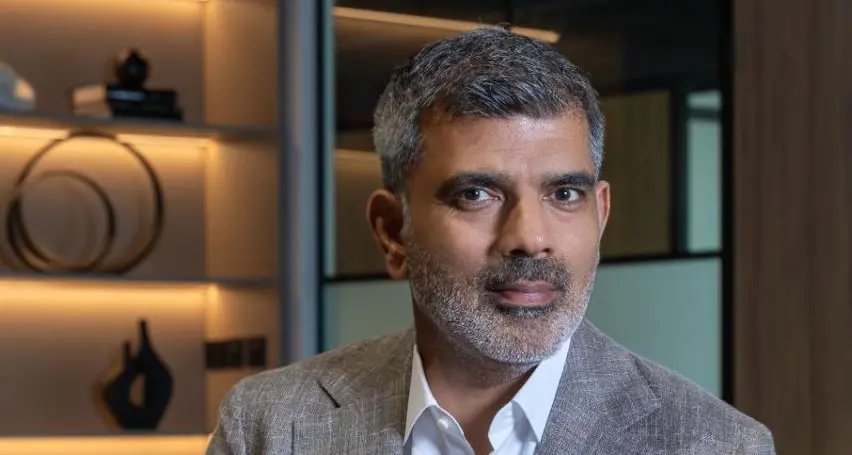
The companys co-founder and managing partner, Mario Hachem, is convinced that such a service can change the lives of office workers who order food on a daily basis, eliminating the need for a menu.
Every day I used to say: Grace! Grace! Where is the menu? And she would say, I dont know, he says.
Hachem says his apps give forgetful people all over Lebanon the opportunity to order food to their desks without having to keep track of a phone number or a menu. And for those who cant figure out what they want to eat, an app for Roadster Diner allows customers to shake the phone and a meal will be suggested for them at random.
Food-ordering apps also appear to be changing the way restaurants interact with customers, creating a sort of customer loyalty similar to what was witnessed when companies began opening Facebook pages a couple of years ago. With these apps, regular customers can make their usual orders and restaurants will remember them and reward them accordingly.
In the U.S., there are dozens of food-ordering apps with many restaurants having designed their own in-house. In the Gulf, several such apps have launched at least one of which is looking to open offices in Beirut.
So far, in Lebanon, Apps2you is the only company that makes food-ordering apps. One Lebanese startup that last year launched Kol 3a Zaw2ak, an app targeting vegetarians, ended up closing shop within several months either because of a focus that was too narrow or because the market wasnt ready.
Last year several of these apps started appearing, however the model and usability of these apps still has a long way to go, says digital marketing consultant Darine Sabbagh. Maybe the market is not big enough to gather traction.
But she does think it will appeal to some customers in Lebanon.
In Lebanon, phone calls are too expensive, and people do not like to wait at peak times. However, she warns businesses must be careful not to take more orders than they can fill.
She adds, Also theres a level of trust threshold. What if my order never comes who do I complain to?
Even with her job as a digital marketing consultant, she admits that she is actually one of these people that is reassured by an operators voice, so I havent used these apps.
Still, based on the market trends in the West, she believes it is only a matter of time before food-ordering apps replace traditional call centers but that will take some time before they become mainstream.
Until then, Hachem is already getting ready for the day when customers will be used to doing all their orders through apps.
And just as before, he is counting on the indecisive users: His next service iOrder will allow users to order multiple items from multiple restaurants.
Copyright The Daily Star 2013.