Thursday, May 03, 2012
Gulf News
Dubai The short to medium term economic outlook of the GCC countries is positive due to strong external balances and rising oil prices, the International Monetary Fund said yesterday.
Despite the rising external surpluses, the IMF has warned that the Gulf economies should beware of potential fiscal imbalances creeping in as a result of excessive public spending and the rising budget break even oil prices.
In 2012, GDP growth is projected to average almost 5 per cent and be evenly spread among the GCC and other regional oil exporters in the region, as oil prices are expected to average about $115 (Dh422) per barrel. While Kuwait, Saudi Arabia and Qatar are projected to grow more than 6 per cent, the UAE and Bahrain are projected to grow at 2.3 per cent and 2 per cent respectively.
“Last year GCC countries benefited from high oil prices, and generally shrugged off the impact of the global slowdown induced by the euro area crisis. In the GCC, the average real GDP growth reached 8 per cent. In 2012 too, the outlook appears positive on high oil prices,” said Masoud Ahmad, Director of the IMF’s Middle East and Central Asia Department.
Non-oil GDP growth is expected to rise in all GCC countries. On aggregate, the IMF expects non-oil GDP growth to reach 4.5 per cent in 2012, largely on the back of increased government spending. As a result, non-oil GDP is expected to be around three-quarters of overall GDP growth by 2013.
According to the IMF’s regional economic outlook, intensified social demands and higher oil prices prompted large jumps in government spending in the GCC.
In non-GCC countries, governments increased spending by one-third in dollar terms, giving rise to an average fiscal deficit of 1 per cent of GDP despite average oil prices of more than $100 in 2011.
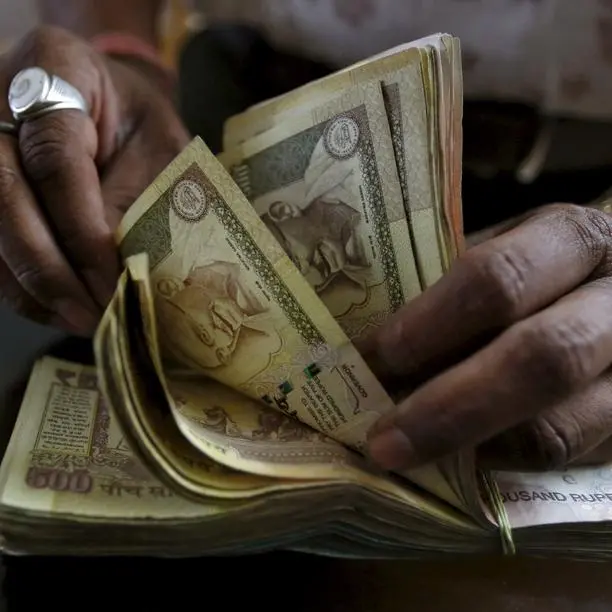
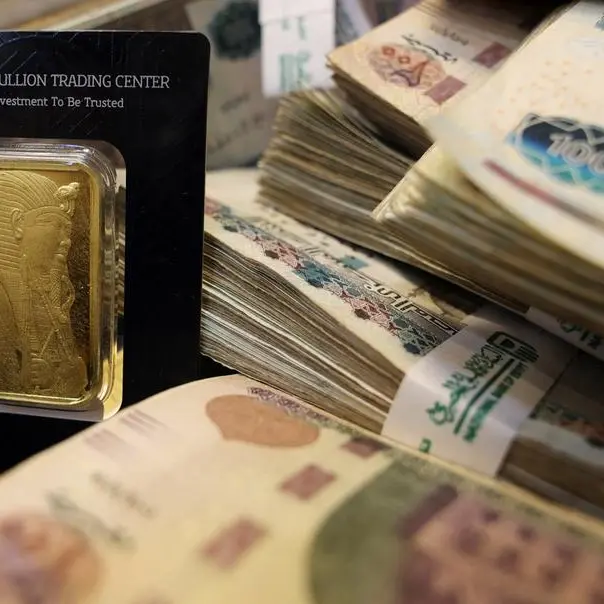
GCC fiscal expenditure rose by about one-fifth in dollar terms but the twin effects of higher oil prices and export volumes allowed GCC fiscal balances to improve. Aided by higher oil prices, the oil exporters’ combined current account surplus reached $400 billion in 2011, almost double the 2010 level. This increase helped lift their official reserve position above the $1 trillion mark.
Although the IMF estimates oil prices around $115 a barrel, it has warned that the reasons that kept oil prices high in 2011 are waning. The recovery of oil production in Libya is likely to more than offset the decline in production and exports in Iran due to sanctions, while capacity expansion continues in Iraq. With Europe in recession and the prospect of slower growth in many emerging markets, the IMF expects Saudi Arabia’s role as swing producer to shrink this year.
Fiscal vulnerabilities
“Although the short term economic outlook of the GCC is very positive, we can’t ignore the long term fiscal vulnerabilities arising from potentially lower oil prices and the steadily rising budget break-even oil prices which in some countries are very close to the already high oil prices,” said Nasser Saidi, Chief Economist of the Dubai International Financial Centre.
By Babu Das Augustine?Deputy Business Editor
Gulf News 2012. All rights reserved.