13 January 2011
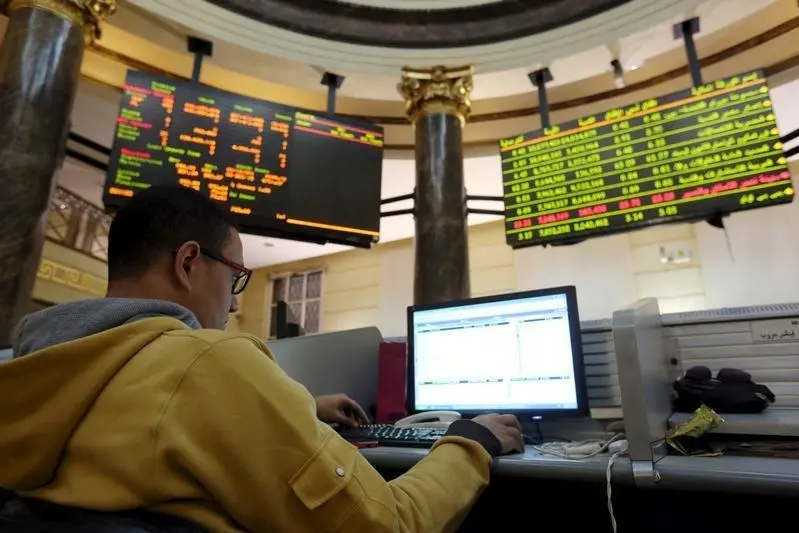
BEIRUT: The resignation of 11 ministers from the Cabinet of Prime Minister Saad Hariri Wednesday jolted the stock exchange market in Beirut as economists and experts warned of grave consequences if a new government is not formed soon to tackle Lebanon’s public debt problem.
However, the Lebanese pound remained stable and there were no reports of any rush on the U.S. dollar or to convert accounts from Lebanese pound to foreign currencies.
This is the first time in Lebanon’s history the government was forced to resign after one third of the Cabinet members declared that they are stepping down in an attempt to compel President Michel Sleiman to form another government.
The local market was not surprised by the resignation of the opposition ministers after the repeated calls by March 8 to discuss the controversial issue of the false witnesses who allegedly misled investigators into the assassination of former Prime Minister Rafik Hariri.
But nevertheless, shares of all listed banks and companies fell considerably, reflecting the growing fears of investors about Lebanon’s future.
The shares of the giant real estate company Solidere A and B fell by 8.18 percent and 6.72 percent respectively on Wednesday.
A broker at the Arab Financial Corporation told The Daily Star that shares are expected to fall further in the coming few days before adjusting next week.
“Some of the holders of Solidere shares decided to sell their stocks to other investors at lower prices. But what is interesting is that the exchange of shares were strictly among Lebanese investors,” Jean Tawyleh told the paper.
BLOM stock index fell to 1,488.65 points Wednesday from 1,538.13 Tuesday, a drop of 3.22 percent.
Brokers argue that the stock market in Lebanon usually moves on political sentiment instead of the performance of listed companies. “Solidere for example is making good profits. This also applies to other listed banks. But when we have a delicate political situation these shares tumble,” Tawyleh said.
He added that Solidere is paying $1 dividend on every share. “This means the investor is collecting 5 percent from each share if the price stood at $19.”
Solidere net profits fell 0.76 percent to reach $1.822 billion. The company’s share rose to an all time high of $39.8 on July 7, 2008.
Former Finance Minister Jihad Azour did not expect any major impact on the economy as a result of the resignation of 11 ministers. But he feared that the only thing which would cause alarm was the security situation.
“Today no one can tell how things will develop. But if we have a caretaker government then the Finance Ministry will spend money as it did in the past,” Azour said, adding that the government had practically talen no economic or reform measures for months.
Some critics sarcastically say the Lebanese do not feel there is a real government which looks after their welfare.
“The most important element is the political uncertainty if the security situation deteriorated for some reason. If this happens then the economy will surely suffer,” said Azour, who along with other economists was not too concerned about the monetary situation or the stability of the Lebanese pound.
The capital inflow, building permits and number of tourists, the three main driving force of the Lebanese economy, maintained good records despite the deep political discord and occasional security setbacks.
Bur economist Ghazi Wazneh warned that if one of the powerful sides decided to use its influence in the financial market to undermine its opponents then this would have a negative impact on the economy.
“This scenario can happen but I wonder if this group with huge financial resources has an interest in pursuing this goal. If this scenario happens then the side which is using its influence will suffer heavy financial losses,” Wazneh said.
He also ridiculed the notion that the United States and the Security Council could apply economic sanctions on Lebanon if authorities did not hand over suspected Hizbullah members who may be involved in the assassination of Hariri and other political figures.
All of the economists interviewed by The Daily Star stress that Lebanon is a unique country. They point out the fact that capital inflows, remittances, customer deposits and investment in real estate were not relatively affected by the past pace and sometimes alarming political and security developments.
Wazneh said the Central Bank has more than $30 billion in foreign currency reserves and another $13 billion worth of gold reserves.
He believes that even if a new government received no substantial assistance from the United States or Europe, Lebanon has adequate means to override any future problem.
With almost $130 billion in assets, Lebanese banks are even looking outside the country to make new investments.
“I believe any new government can come up with funds to implement some of the vital infrastructure projects. Funding is the least problem of any new government,” Wazneh said.
Copyright The Daily Star 2011.