PHOTO
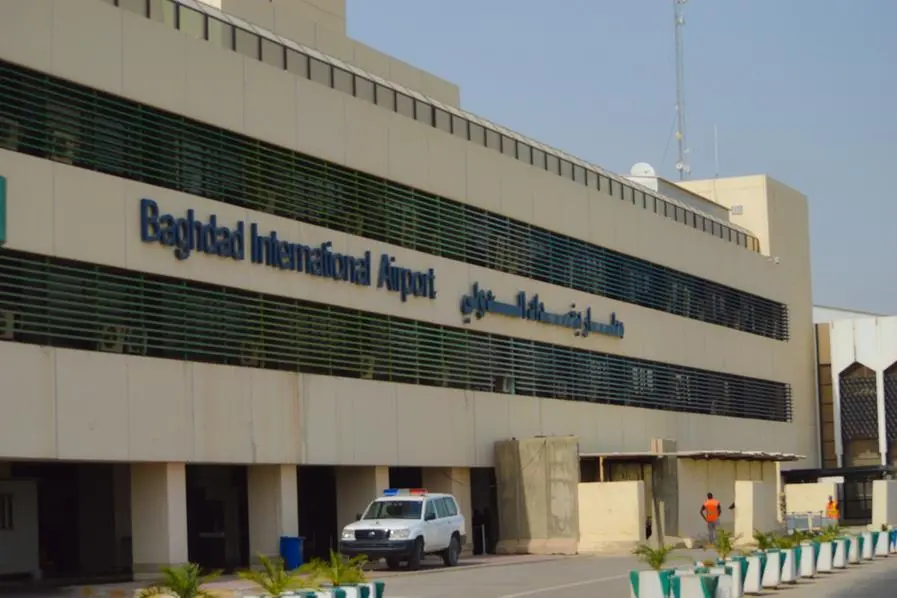
Iraq’s Cabinet has approved [Diwani Order Committee (No. 251294 of 2025)] the selection of a consortium comprising Luxembourg-based Corporación América Airports (CAAP) and local company Amwaj International to develop and operate Baghdad International Airport.
The public–private partnership (PPP) agreement covers the rehabilitation of airport infrastructure, construction of a new passenger terminal, and operations and maintenance under a 25-year concession at a total investment of $764 million, a report by local outlet 964 Media said.
The Iraqi Ministry of Transport received bids from three international consortiums - CAAP, ASYAD and ERG International - for the project, Zawya Projects had reported earlier this month.
The 964 Media report noted that CAAP’s bid offered the government 43.05 percent of total airport revenues, compared with 38.05 percent proposed by the runner-up ASYAD consortium. The ERG International UK consortium was disqualified earlier in the process.
A statement issued by the Iraqi Prime Minister's office on Tuesday said the Ministry of Transportation shall negotiate with the winning consortium in coordination with IFC to prepare the PPP agreement, which will later be submitted to the Council of Ministers for final approval.
International Finance Corporation (IFC) is the lead transaction advisor to the Iraqi government for the project.
The report by 964 Media also noted that the project’s first phase will deliver a terminal capable of handling 9 million passengers annually, expanding to 15 million in the second phase. It will also include runway and taxiway rehabilitation, installation of 15 boarding bridges, a new Civil Aviation Authority headquarters, a VIP terminal, and upgraded cargo and firefighting facilities to achieve Category 9 safety classification.
(Writing by Majda Muhsen; Editing by Anoop Menon)
(anoop.menon@lseg.com)
Subscribe to our Projects' PULSE newsletter that brings you trustworthy news, updates and insights on project activities, developments, and partnerships across sectors in the Middle East and Africa.