PHOTO
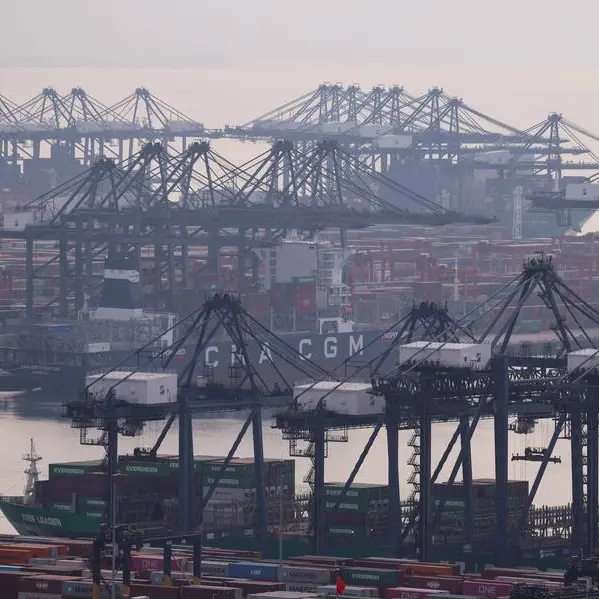
BEIJING - China's trade started the year stronger than expected, extending last year's momentum, but a worsening geopolitical backdrop is raising fresh uncertainties for exporters and supply chains, officials said on Friday.
Beijing on Thursday unveiled a slightly lower growth target of 4.5%-5% for 2026, down from last year's 5%, which was met largely through a one-fifth surge in its trade surplus to a record $1.2 trillion.
Commerce minister Wang Wentao said on Friday that the government has paid attention to last year's surplus and the opinions of trade partners.
"Our next priority is to promote more balanced trade development. Exports and imports are like the two wheels of a car - if they're in balance, the car runs more smoothly and can go further," Wang told journalists on the sidelines of the annual parliamentary meeting.
He said "balanced trade" means stabilising exports while expanding imports, leveraging China's vast market to bring in more agricultural products, quality consumer goods, advanced equipment, and key components. China has vowed to expand imports for years.
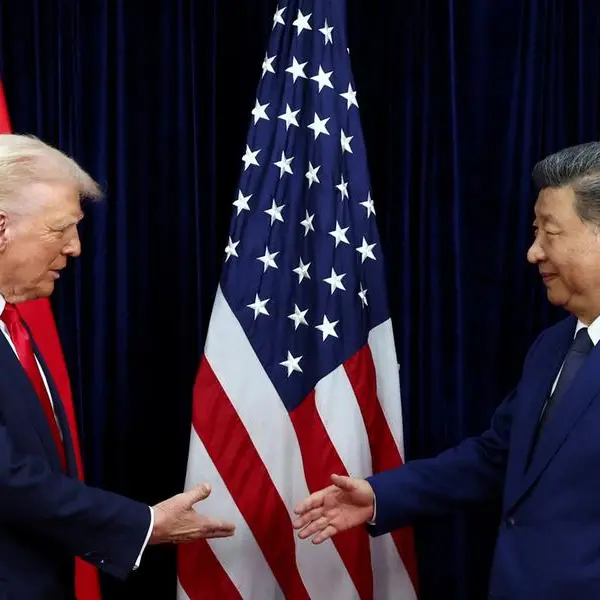
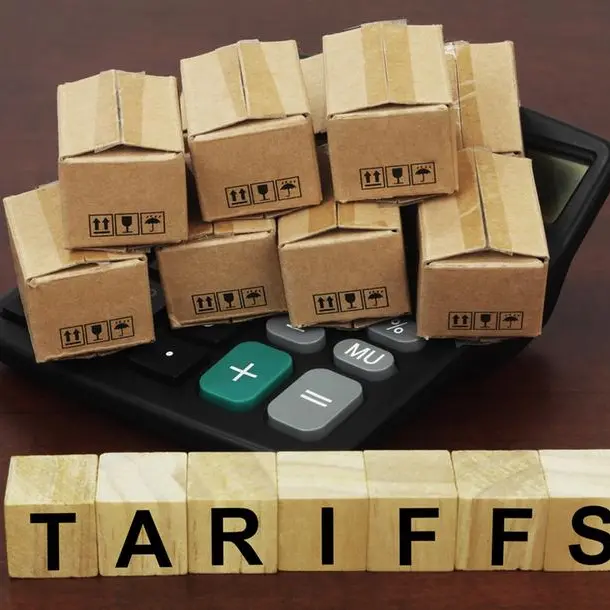
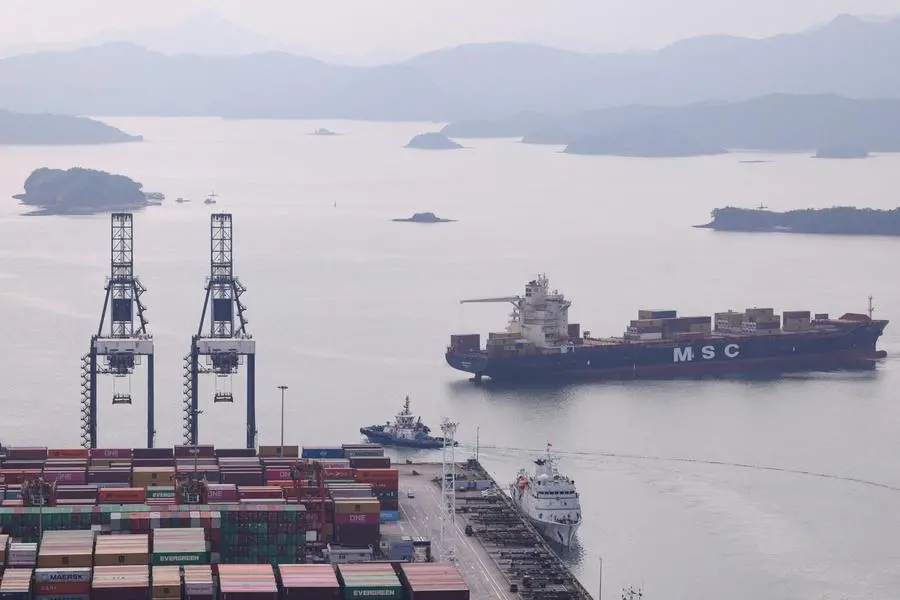
Last year, while shipments to the U.S. fell by a fifth, they rose sharply to the rest of the world as producers conquered new markets to insulate themselves from U.S. President Donald Trump's aggressive tariff policies.
Exports of the manufacturing superpower grew 6.6% in December from a year earlier in dollar value terms, while imports rose 5.7%.
Wang said China's trade continued last year's momentum in January and February, and that while the official figures have not yet been released, performance has been "better than expected."
"However, we are aware the external environment remains severe and complex, and pressures on trade are still significant."
"In recent weeks, escalating geopolitical conflicts have disrupted the international economic and trade order and global supply chains, making conditions even more uncertain and unstable."
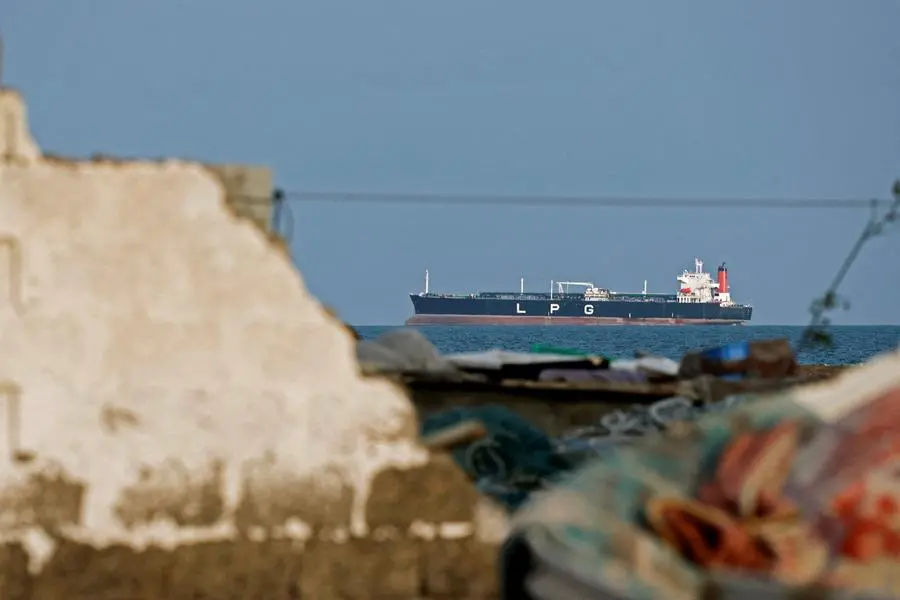
Diplomatic sources told Reuters that China is in talks with Iran to allow crude oil and Qatari liquefied natural gas vessels safe passage through the Strait of Hormuz.
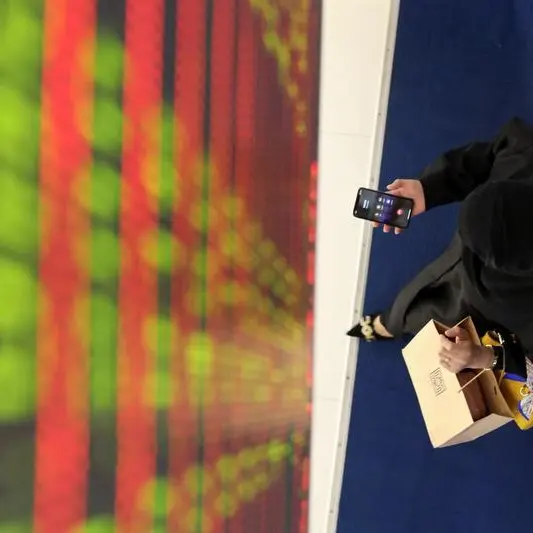
At the same press conference held in Beijing, Pan Gongsheng, governor of the People's Bank of China (PBOC), said the U.S.-Israeli war on Iran has triggered a sharp rise in global risk aversion sentiment, fuelling pronounced volatility in the dollar index and other currencies.
The PBOC will maintain the yuan's flexibility and encourage financial institutions to provide hedging services to business, Pan said, adding that more than 60% of China's trade is less exposed to currency exchange rate swings than the rest.
(Reporting by Kevin Yao and Yukun Zhang; Writing by Ellen Zhang; Editing by Clarence Fernandez and Philippa Fletcher)