PHOTO
Governments should harness the potential of informality as a bridge rather than a barrier to building economic resilience.
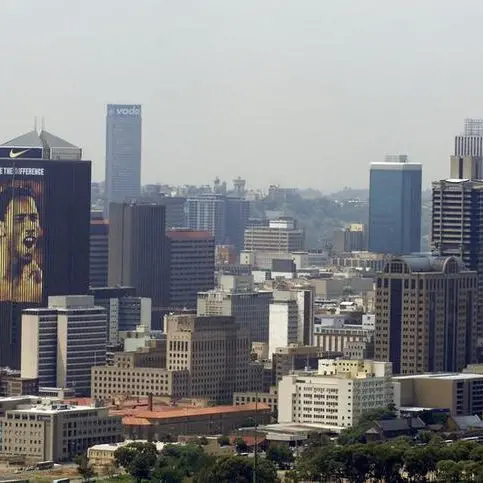
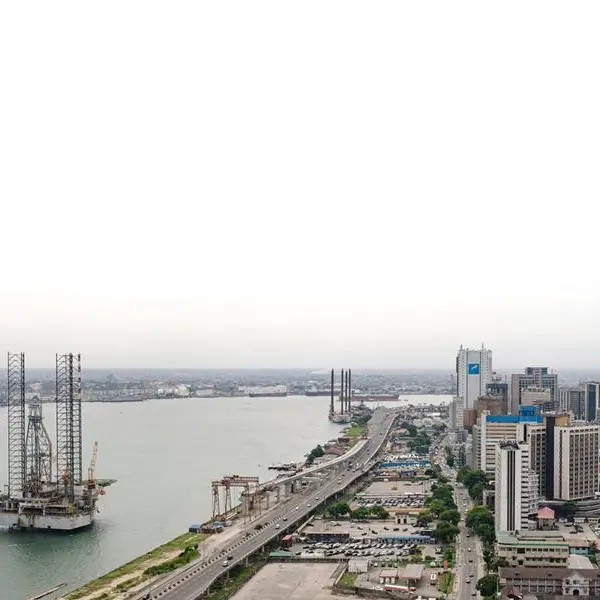
Nigeria and South Africa are Africa’s largest economies, and their development significantly affects their regions and the continent as a whole. Updated forecasts by the African Futures and Innovation (AFI) team at the Institute for Security Studies (ISS) reveal the varying impact of the informal sector on both economies and their regions.
South Africa’s informal sector accounts for 17% of its labour force, significantly lower than Nigeria at 68% and Africa’s average of 58%. Analysis shows how context-specific approaches to informality could contribute to inclusive economic growth and reduce unemployment.
Compared to west Africa, southern Africa’s development has been lacklustre when unemployment is used as a yardstick. According to International Labour Organization (ILO) data, southern Africa had the highest unemployment rate globally at 33.2% in 2024.
All rights reserved. © 2022. Bizcommunity.com Provided by SyndiGate Media Inc. (Syndigate.info).