PHOTO
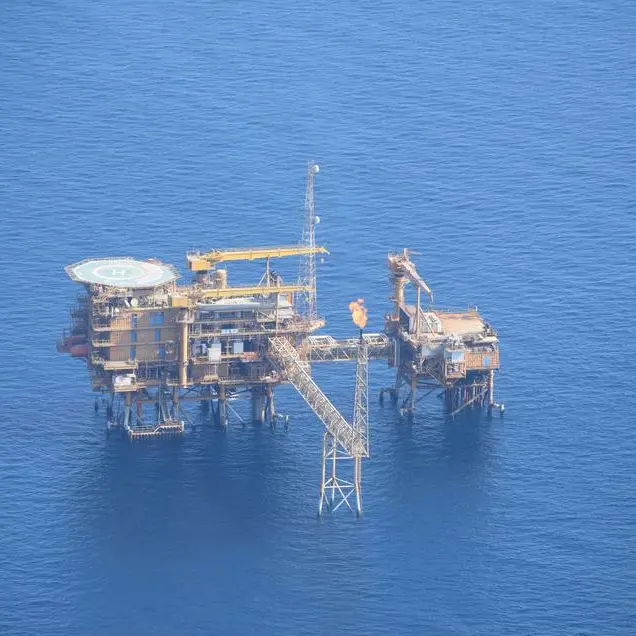
Egypt’s gas production has been declining over the past years due to lack of investments and the fact that some fields have become mature, Washington-based Institute of International Finance (IIF) said in a report.
The Arab country’s gas output reached its highest level in 2021 before it started to recede in the following years, the IIF said.
“The structural decline in Egypt’s gas output after the 2021 peak because of its maturing fields and lack of investments,” it said.
A concurrent sharp increase in domestic energy demand has turned the third largest Arab economy into a net hydrocarbon importer, with the primary sources of gas being Israel and the United States (LNG), said IIF, which groups over 400 Western banks.
At the beginning of the war in Iran, Israel suspended all gas exports to Egypt, accounting for 7-10 percent of total energy use in the country, the report noted.
Although Israeli exports resumed on 9 March, these are on a limited basis and are conditional on Israel meeting its domestic energy demands first, it said.
“Egypt is now forced to tap the international LNG market at a time when the force majeure on LNG exports invoked by Qatar has led to skyrocketing prices…LNG prices are currently three times more than what was secured via deals last year, meaning that a prolonged conflict could significantly alter the hydrocarbon import bill,” IIF said.
“This is particularly relevant as summer approaches. Past years have seen energy demand outweighing supply during the summer months, leading to power blackouts and the rationalisation of electricity to heavy industry.”
(Writing by N Saeed; Editing by Anoop Menon)
Subscribe to our Projects' PULSE newsletter that brings you trustworthy news, updates and insights on project activities, developments, and partnerships across sectors in the Middle East and Africa.