PHOTO
Iraq needs to pump large investments into its super giant oilfields to restore their full operational capacity once the current Hormuz crisis is over, experts say.
The longer the crisis involving the closure of the strategic waterway drags on, the more time, effort and investments will be required to repair capacity damage at Iraq’s southern oil fields, among the world’s largest, they say.
“It is true that Iraq’s major oil fields have been adversely affected by the forced shutdowns during the conflict,” said Garbis Iradian, chief economist at the Washington-based Institute of International Finance.
“The longer the crisis, the larger the damage is…I believe Iraq will need time and will have to make investments to restore those fields to full capacity,” he told Zawya Projects.
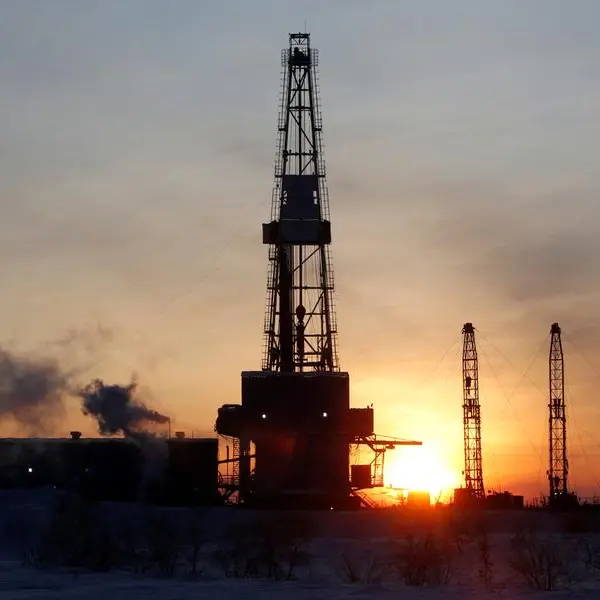
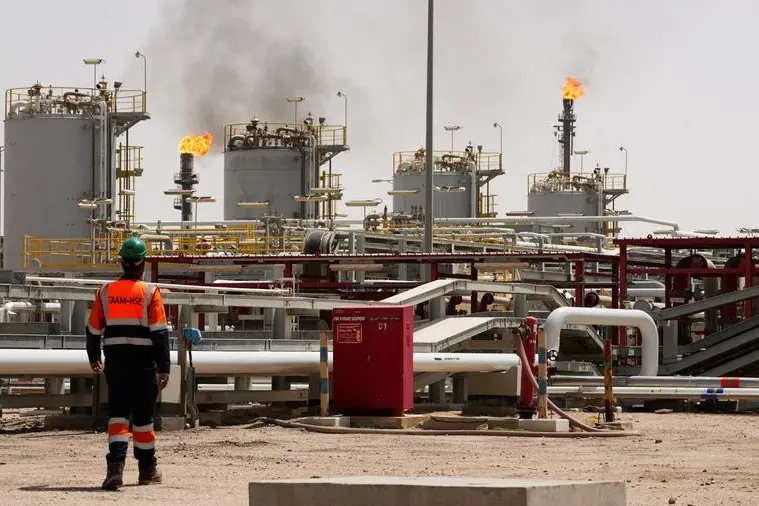
Iraq, which controls the world’s fifth largest extractable crude deposits, either shut down or sharply scaled down operations at key fields in the South, which provides nearly 80 percent of the OPEC member’s total oil output, according to Iraq’s oil ministry.
Oilfield operators, including Iraqis and foreign companies, had to scale down operations either due to Iranian drone attacks or after storage facilities became full due to Tehran’s blockade of Hormuz, the only access for Iraq’s southern oil output to global markets.
The fields affected include Rumailah, Majnoon, West Qurna and Maysan, with their production slashed to nearly a quarter of Iraq’s crude exports.
The shutdowns pushed Iraq’s oil exports from nearly 4.3 million barrels per day (bpd) before the six-week conflict between Iran and the US-Israeli alliance to only around 620,000 bpd in March, the oil ministry said in a report this month.
The exports included crude and condensates and also comprised oil exports through the northern Kirkuk-Ceyhan pipeline, the ministry said, adding that revenues stood at around $1.9 billion during March against nearly $7 billion during February.
“Iraq is facing a disastrous situation..the problem is not only the closure of Hormuz but after Hormuz is opened…Iraq’s major oil fields have been badly affected by the shutdowns and now they need heavy investments to be fully operational,” said Nabil Al-Marsoomi, an economics professor at Basra University in South Iraq.
“Such fields as Rumailah, West Qurna and Majnon are giant fields…Iraqi and foreign operators need to work together to secure the required funds and restore capacity…this may take weeks or even months.”
(Reporting by N Saeed; Editing by Anoop Menon)
Subscribe to our Projects' PULSE newsletter that brings you trustworthy news, updates and insights on project activities, developments, and partnerships across sectors in the Middle East and Africa.