PHOTO
Goldman Sachs said softer oil demand and easing supply disruptions have balanced out the risks in its oil price outlook, though it kept its 2026 average forecasts unchanged.
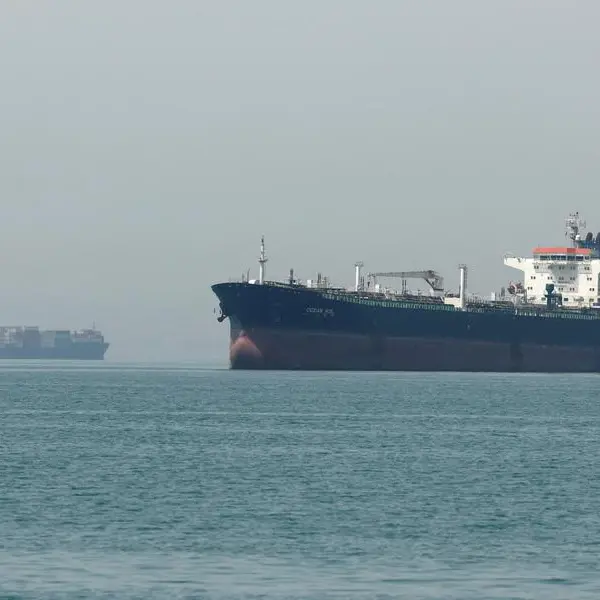
The bank maintained its Brent and WTI crude forecasts for 2026 at $83 a barrel and $78 a barrel, respectively, assuming oil flows through the Strait of Hormuz, a vital waterway through which about 20% of the world's oil and liquefied natural gas supplies pass, gradually normalize by mid-May.
* Crude prices settled down by around 9% on Friday on reported progress towards a potential peace deal, which Goldman said could lead to a faster unwinding of the geopolitical risk premium and send prices lower in the near-term.
* The two sides have still not negotiated a permanent peace agreement. U.S. President Donald Trump once again suggested that the war could end soon, referring to expected weekend talks with Tehran. Iranian Foreign Minister Abbas Araqchi said the strait was open following a ceasefire between Israel and Lebanon,
* While flows through the Strait of Hormuz remain sharply reduced, Goldman said downside risks have increased if Persian Gulf supply recovers more quickly than expected, helped by lower-than-anticipated production shut-ins and ample regional storage capacity.
* The bank said pronounced weakness in oil demand, particularly in petrochemical feedstocks and jet fuel, driven by high refined product prices and margins, could push prices lower.
* Preliminary estimates suggest global demand losses in early 2026 have been larger than more dramatic oil price spikes in 2011 and 2022, Goldman said.
* Demand weakness has been most evident in emerging markets in Asia and Africa, where consumption tends to be more price-sensitive, it added. (Reporting by Anmol Choubey in Bengaluru; editing by David Gaffen)