PHOTO
SINGAPORE: Oil prices jumped and stock futures fell on Monday as rising tension in the Middle East kept shipping in and out of the Gulf to a minimum, though traders held out hope for a resolution and Asia's stock markets breezed toward record highs.
Brent crude futures rose about 5% to $95.16 a barrel. S&P 500 futures fell around 0.6% and European futures fell 1.1%. But equity benchmarks in Seoul, Taipei and Tokyo shrugged off risks to advance, with Taiwan's shares touching a record high and the other two not far behind.
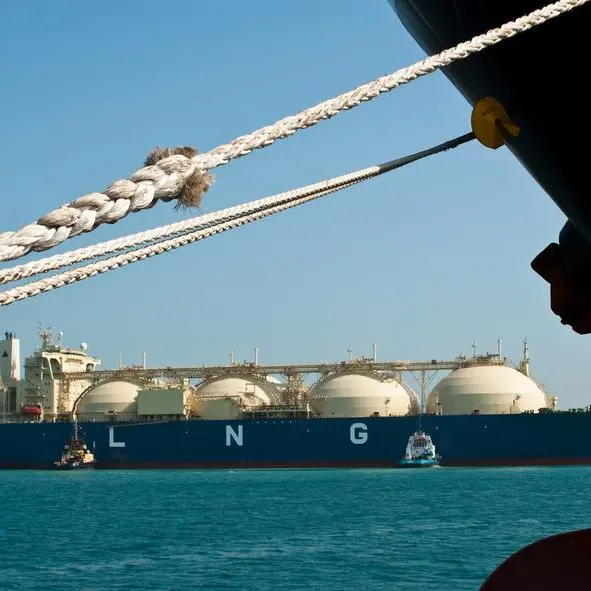
Iran has re-imposed its de facto closure of the Strait of Hormuz, though Kpler data showed that more than 20 vessels carrying oil products, metals, gas and fertiliser passed through on Saturday, the busiest day for the chokepoint since March 1.
The ceasefire in the Iran war, due to run until Tuesday, was in doubt after the U.S. seized an Iranian cargo ship and Tehran's top military command vowed to retaliate.
"The headlines look bad; it looks like there's disagreement ... which has led to a little bit of re-escalation," said Damien Boey, portfolio strategist at Wilson Asset Management in Sydney.
"But I think, ultimately, both sides want to be able to do a deal - that's part of the reason why the market's optimistic and not selling off too much."
Hong Kong's Hang Seng rose 0.8%, Japan's Nikkei climbed 1% and South Korea's KOSPI rose 1.4%.
One of the strongest notes of caution in markets on Monday came from Australia's largest business lender, National Australia Bank, which flagged a $500 million impairment charge as it expects the war to drive up bad debts.
PEACE TALKS IN QUESTION; FOCUS ON HORMUZ
Iran rejected new peace talks with the U.S., its state news agency reported on Sunday, hours after U.S. President Donald Trump said he was sending envoys for talks in Pakistan and would launch new strikes on Iran unless it accepts his terms.
"Our base case (AKA guess) is still resolution to the war. Trump is still focused on November midterm elections," said Paul Chew, head of research at Singapore's Phillip Securities in a note to clients.
Bonds, which rallied on Friday, retreated and the yield on benchmark 10-year Treasuries rose 2.2 basis points to 4.266%.
The dollar - which was sold for the best part of the past two weeks - steadied, buying 158.8 yen and trading at $1.1760 per euro.
Wall Street indexes touched record highs on Friday, supported by expectations of robust first-quarter earnings, the bulk of which come this week.
British inflation data, U.S. retail sales and European purchasing managers' index figures are also due through the week, though much of markets' focus will be on Gulf shipping.
"The critical barometer of geopolitical risk has been distilled into one data point: The number of ships transiting the Strait of Hormuz," said Bob Savage, head of markets macro strategy at BNY.
"Peace talks matter, but the immediate focus is on oil and other supply shortages driving inflation."
(Additional reporting by Yoruk Bahceli in London; Editing by Vidya Ranganathan, Lisa Shumaker and Thomas Derpinghaus)