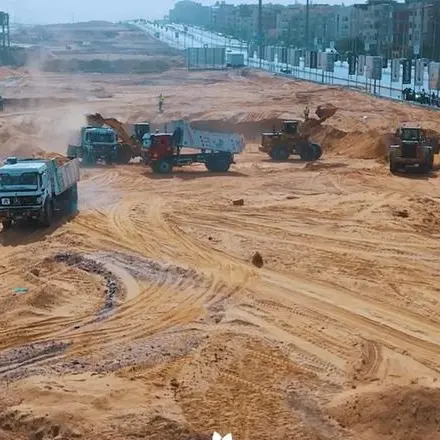
PROPERTY developers in Bahrain will have to provide soil test certificates to secure building permits under new guidelines endorsed yesterday.
The Shura Council unanimously approved amendments to the 1977 Buildings Law in an effort to ensure accountability of developers and promote safer buildings across the country.Works, Municipalities Affairs and Urban Planning Minister Essam Khalaf backed the move.
“We have a special materials engineering directorate at the ministry that monitors all building materials used for construction,” said Mr Khalaf.“Soil tests are an integral part of the directorate’s work.“Legislators want soil checks to be made compulsory before granting building permits, and we believe this would ensure more safety. We need to monitor sites and make sure projects are suitable for the soil and the terrain.
This is vital to ensure every building stands the test of time.”He further added that the law can be easily implemented as there are several companies in the country - both local or joint ventures - with qualified and experienced Bahrainis who are capable of conducting soil tests.
Meanwhile, Shura Council public utilities and environment affairs committee chairman Dr Mohammed Hassan said a comprehensive soil analysis would provide a clear indication of the lifespan of developments - be it investments, buildings or homes.“It will also enable consultants and engineers to determine the most suitable approach to construction and present safety solutions for extended durability,” said Dr Hassan, a former director-general at several municipalities.“We have specialised soil testing laboratories. Qualified Bahrainis and expatriates are hired to do intensive checks on samples and present proper statistical analysis and contractors can work accordingly.”
Member Sabah Al Dossary requested Mr Khalaf to monitor the price of soil tests periodically to ensure they don’t skyrocket due to unexpected demand under the new requirement.During a Parliament session last year, MP Hamad Al Kooheji had presented videos showing water gushing out of cracks in homes constructed on reclaimed land in Muharraq Governorate.
The Southern Municipal Council had also demanded soil test certificates years ago, but Mr Khalaf had then said that such a test could only be optional.
The proposal was submitted after a home in East Riffa collapsed and inspectors in the Southern Municipality found that the building was constructed on a marshy garbage-ridden land, without using proper rocks and sand. Thirteen homes had fallen apart in the same area as they were all built on swampy lands, with no testing done before approvals.
The GDN reported in 2016 that the council had received complaints from people that cracks had appeared in hundreds of homes and buildings in the south of Bahrain.Extreme weather, possibly linked to climate change, as well as construction on less stable ground, have provoked unprecedented foundation failures in houses set up in Hunainiya and Buhair Valleys.
A Minnesota University report presented by the council at the time explained that moisture in fine soil causes it to expand and contract as temperatures rise and fall, affecting its stability. “Lack of stability can crack foundations, sidewalks and driveways if precautions are not taken,” it said.The new rule has been referred to His Majesty King Hamad for ratification.mohammed@gdn.com.bh
© Copyright 2020 www.gdnonline.com
Copyright 2022 Al Hilal Publishing and Marketing Group Provided by SyndiGate Media Inc. (Syndigate.info).