PHOTO
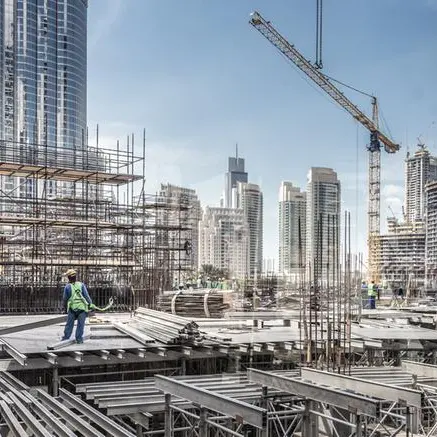
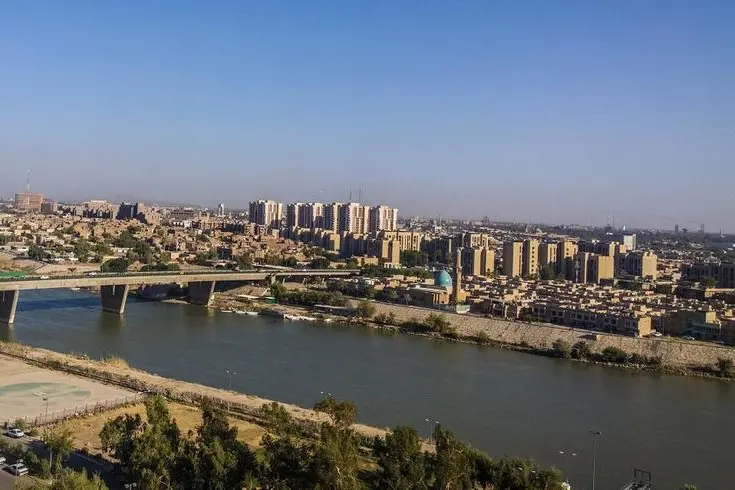
Iraq's National Housing Policy 2025-2030 aims to reduce the country's housing deficit by half by the end of the decade through large-scale residential developments and greater private-sector participation, according to the spokesperson of Ministry of Construction, Housing, Municipalities and Public Works.
Nabil Al-Saffar told Iraqi News Agency that the strategy focuses on land management, housing finance and mortgage mechanisms, infrastructure development, construction materials, and post-construction maintenance services.
Under the new strategy, the government will move away from distributing residential land plots and instead partner with private developers to deliver fully serviced integrated communities. Future residential development will also expand beyond city centres to ease urban congestion
Five new residential city projects are currently under development: Al-Jawahiri City, Ali Al-Wardi City, Al-Ghazlani City, Dhifaf Karbala (Karbala Riverbanks) City and Al-Jinan City.
He said the government considers the Bismayah New City project a successful model but acknowledged that its delivery was slowed by its reliance on government financing and partnership arrangements.
Future projects will place greater emphasis on developers and investors capable of self-financing residential developments, a move the ministry expects will accelerate project delivery while reducing pressure on public finances.
According to the ministry, Iraq currently faces a housing shortage of between 2.3 million and 2.4 million housing units nationwide.
(Writing by Majda Muhsen; Editing by Anoop Menon)
Subscribe to our Projects' PULSE newsletter that brings you trustworthy news, updates and insights on project activities, developments, and partnerships across sectors in the Middle East and Africa.