PHOTO
WASHINGTON - FIFA and the Board of Peace (BoP) have signed a landmark partnership agreement to actively source investment from international leaders and institutions, harnessing the power of football to support recovery, stability and long-term development in conflict-affected regions, foremost of them Gaza.
The agreement, signed by FIFA President Gianni Infantino, Gaza Executive Board of Peace member Yakir Gabay, High Representative for Gaza Nickolay Mladenov, and Chief Commissioner of the National Committee for the Administration of Gaza Dr Ali Shaath, establishes a long-term framework to build a complete football ecosystem, delivering world-class infrastructure, structured community programmes and sustainable economic opportunity to Gaza, Palestine.
The BoP, unveiled by US President Trump at the World Economic Forum in January 2026, brings together international leaders and institutions committed to advancing reconstruction and stability in fragile regions.
Initially focused on Gaza, the BoP coordinates humanitarian assistance, rebuilding efforts and long-term stabilisation.
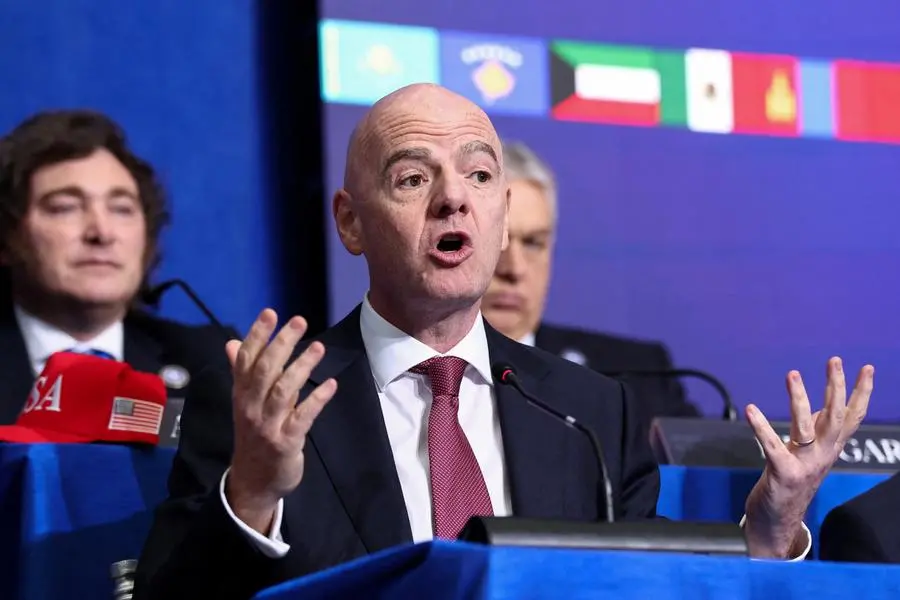
“Today, FIFA and the Board of Peace have signed a landmark partnership agreement that will foster investment into football for the purpose of helping the recovery process in post-conflict areas,” said Infantino following the signature ceremony, which was held at the Donald J. Trump US Institute of Peace Headquarters.
He added, “FIFA wants as many people as possible around the world to participate in our game and benefit from the opportunities it creates. Football brings people together and contributes to a more prosperous, educated, equal and peaceful world. Together with the support of the Board of Peace, FIFA will drive this partnership, which is built to deliver impact at every stage.”
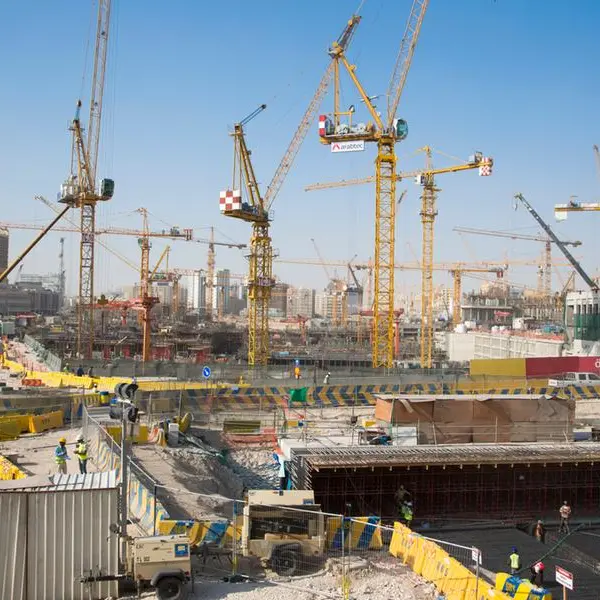
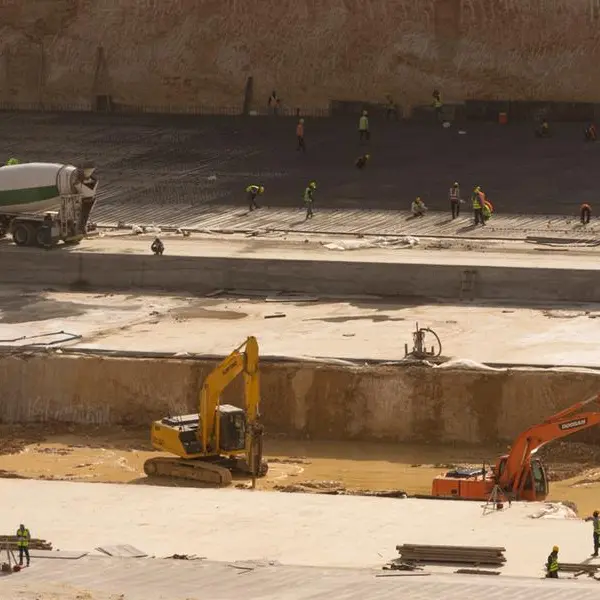
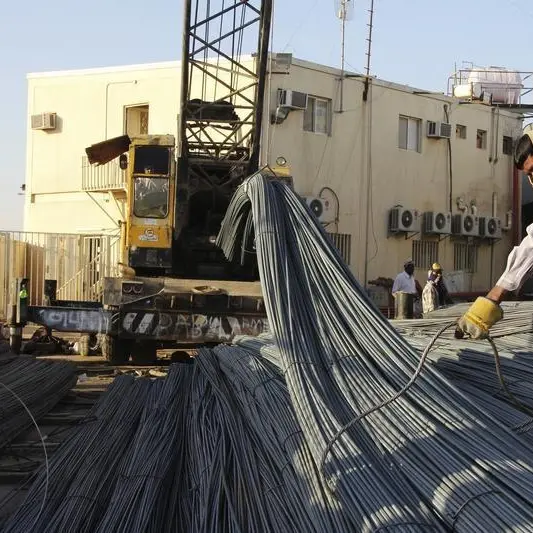
The first phase of the collaboration aims to provide a comprehensive recovery programme for Gaza, combining physical reconstruction with social and economic activation. The infrastructure plan includes 50 FIFA Arena mini-pitches located near schools and residential areas, five full-size pitches across multiple districts, a state-of-the-art FIFA Academy and a new 20,000-seat national stadium.
Alongside construction, the programme prioritises job creation, workforce upskilling, youth participation, organised leagues for girls and boys, community engagement and the stimulation of local commercial activity.
The implementation framework has four phases: Phase I – Community activation (3-6 months), includes the installation of 50 FIFA Arena mini-pitches; Phase II, Professional Infrastructure (12 months), involves the development of five full-size pitches; Phase III, FIFA Academy (18–36 months), provides for the establishment of a centre of excellence; and Phase IV, National Stadium (18–36 months), entails the construction of a 20,000-seat national stadium.
Implementation will proceed in line with ongoing monitoring of safety and security conditions. Once circumstances allow, the activation of Phase I will begin, supported by structured stakeholder engagement and milestone-based progress reporting.
Central to Phase I is the FIFA Arena initiative, part of FIFA’s commitment to install at least 1,000 mini-pitches globally by 2030. Already active in a growing number of countries, the initiative provides durable playing spaces in communities with limited access to sport, equipped and activated from day one. As of November 2025, 59 FIFA Member Associations had joined the programme.