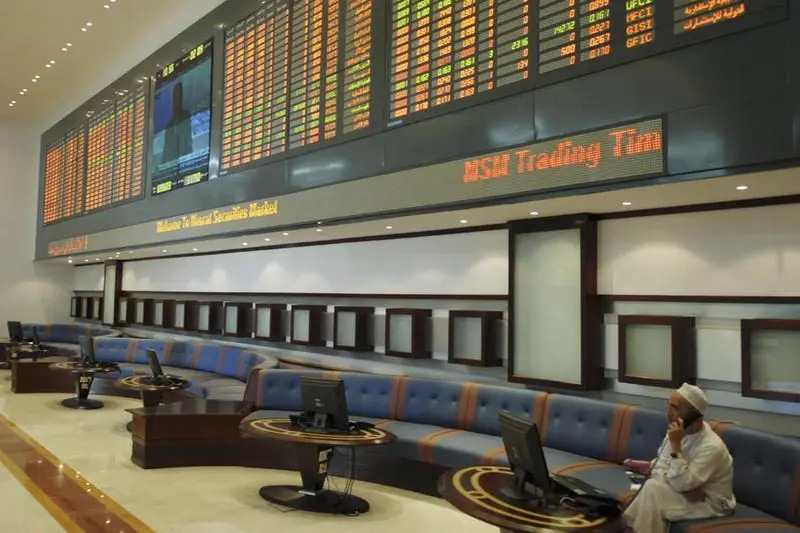
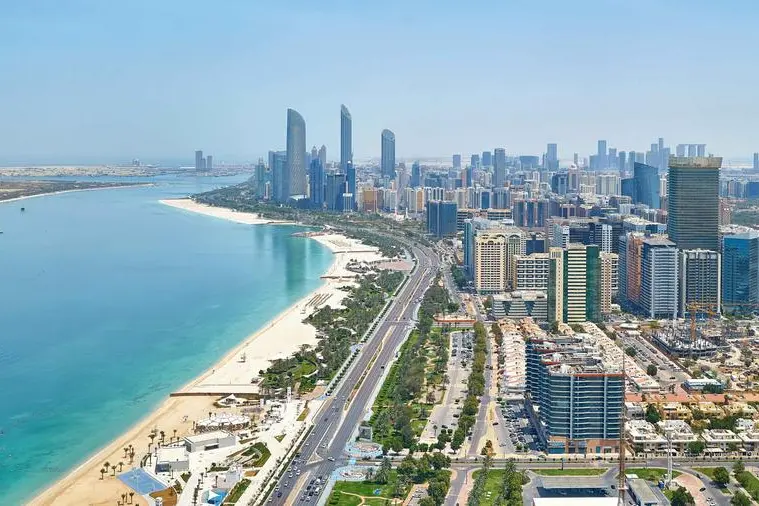
The latest RICS Middle East Construction and Infrastructure survey results are available. Results indicate a mixed sentiment in the construction sector amid subdued private sector activity, with contributors noting headline workloads to be subdued in most of the region. However, this was not the case for respondents in Saudi Arabia who noted workloads had expanded at a robust pace (in net balance terms) over the second quarter.
Most markets in the Middle East saw work on infrastructure booming, which can in part be due to government spending. In the past, governments globally have been known to increase their fiscal outlays by using investment infrastructure and other public works projects to cover for weaker economic conditions. Regionally, economies are suffering from both, a slowdown in global trade but also soft oil prices and OPEC imposed limitations on productions.
Macro environments of individual countries are known to play a big part in the economic activity. Respondents in Oman indicate that the Omanisation policy has introduced bottlenecks into the market, and contributors in Bahrain state the imposition of a 5% value-added tax has dampened their economic activity. In contrast, Saudi Arabia has a more optimistic outlook which respondents feel is partly due to Saudi Vision 2030 acting as a catalyst for activity in the country, with workloads increasing across the board in the second quarter.
In the UAE, the increase in infrastructure activity, particularly on road and rail projects, is supporting a broader growth in work, with contributors expecting the outlook for the next year to remain upbeat and workloads also increasing over this period, for both infrastructure and non-infrastructure activity. Workloads in Oman are also expected to rise, driven by work on infrastructure projects; however, firms are likely to continue to cut headcounts in the Sultanate.
In Qatar, even though work on infrastructure increased in Q2, the pipeline of new workloads continues to decrease amid increased payment delays, declining headcounts and deteriorating profit margins.
Despite expectations for an increase in workloads over the next twelve months, profit margins are still expected to remain under pressure, with material costs seeing a larger increase than the cost of skilled labour. Nevertheless, survey respondents expect the cost of unskilled labour to grow by 1% in the UAE and Qatar, and 1.6% in Oman. In each regional market, there is little difference in the outlook for the cost of skilled and unskilled labour, whereas in regions like Asia-Pacific this is vastly different, with companies expected to pay a significant premium on skilled labour.
In Saudi Arabia, labour and skills shortages were also highlighted as constraints holding back activity, with Quantity Surveyors and skilled tradespeople being the two skills most in demand. However, 58% of the contributors stressed that regulation was an obstacle for activity in the Kingdom, while 70% cited finances.
Contributors in KSA, Kuwait, the UAE and Qatar remain generally more optimistic with an expectation for overall workloads increasing over the next year.
The RICS Middle East and Asia-Pacific Construction and Infrastructure Survey is prepared every quarter to identify the trends in the construction and infrastructure markets. It aims to capture the sentiment of RICS members and other construction and infrastructure professionals regarding both the current environment and the future trends in the industries. The Q3 2019 Survey is open for responses, and you can contribute here: RICS Construction and Infrastructure Survey
ENDS
For more information, please contact:
RICS in Middle East: Lynne Davidson, Marketing & Communications Manager on ldavidson@rics.org or Tel: +971 (0) 4 446 2808
About RICS:
RICS is a global professional body. We promote and enforce the highest professional qualification and standards in the development and management of land, real estate, construction and infrastructure. Our name promises the consistent delivery of standards – bringing confidence to the markets we serve. The work of our professionals creates a safer world: we are proud of our profession’s reputation and we guard it fiercely.
Sarah Alvi
PR and Communications Coordinator
MENA HQ - Office B303, The Design House, Sufouh Gardens, Dubai.
t +971 4 367 0352
e salvi@rics.org w rics.org
Disclaimer: The contents of this press release was provided from an external third party provider. This website is not responsible for, and does not control, such external content. This content is provided on an “as is” and “as available” basis and has not been edited in any way. Neither this website nor our affiliates guarantee the accuracy of or endorse the views or opinions expressed in this press release.
The press release is provided for informational purposes only. The content does not provide tax, legal or investment advice or opinion regarding the suitability, value or profitability of any particular security, portfolio or investment strategy. Neither this website nor our affiliates shall be liable for any errors or inaccuracies in the content, or for any actions taken by you in reliance thereon. You expressly agree that your use of the information within this article is at your sole risk.
To the fullest extent permitted by applicable law, this website, its parent company, its subsidiaries, its affiliates and the respective shareholders, directors, officers, employees, agents, advertisers, content providers and licensors will not be liable (jointly or severally) to you for any direct, indirect, consequential, special, incidental, punitive or exemplary damages, including without limitation, lost profits, lost savings and lost revenues, whether in negligence, tort, contract or any other theory of liability, even if the parties have been advised of the possibility or could have foreseen any such damages.