PHOTO
Abu Dhabi Judicial Department (ADJD) reviewed its future projects aimed at implementing advanced artificial intelligence technologies across the judicial ecosystem and notary services, while exploring the optimal integration of smart systems to keep pace with global technological advances and enhance judicial and notary performance.
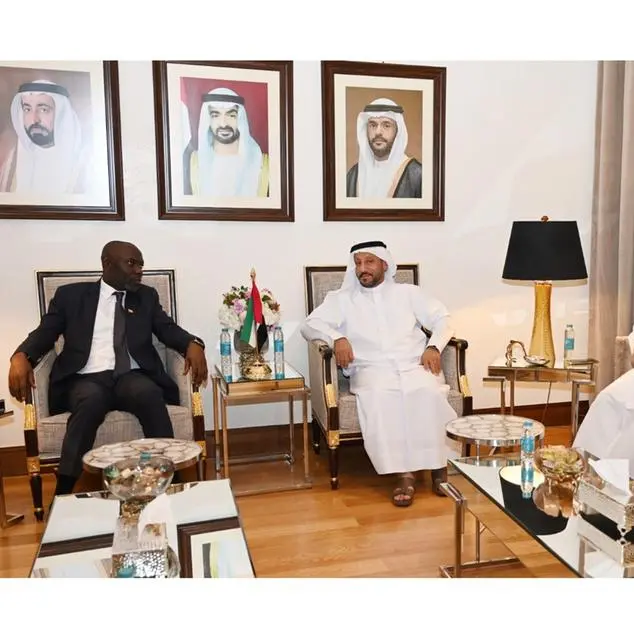
The discussion took place during a meeting of the Committee for the Use of Artificial Intelligence in Judicial and Notary Services, chaired by H.E. Counsellor Yousef Saeed Al Abri, Undersecretary of ADJD. The meeting examined ways to strengthen cooperation with the Department of Government Enablement to support the Abu Dhabi Government’s drive to expand the use of AI applications, in addition to reviewing approved digital projects aimed at enhancing the quality of smart services in the judicial sector.
Al Abri said these efforts are in line with the vision of H.H. Sheikh Mohamed bin Zayed Al Nahyan, President of the UAE, to develop a leading and innovative system across various, and with the directives of H.H. Sheikh Mansour bin Zayed Al Nahyan, Vice President of UAE, Deputy Prime Minister, Chairman of the Presidential Court and Chairman of ADJD, to adopt advanced digital solutions that support swift justice and ensure the accurate and efficient resolution of cases.
He noted that ADJD has already automated a wide range of key judicial and notary services, delivering them fully and automatically without human intervention. These include processing requests submitted to the Public Prosecution and criminal courts, as well as issuing orders to lift search notices, cancel travel bans and cancel arrest warrants immediately upon payment of fines.
He added that the smart systems also process court and enforcement requests automatically, cancel restrictions from enforcement files once payments are made, automate all tenancy-related requests for opening enforcement files, and enable the automatic disbursement of funds to enforcement applicants, helping save time and accelerate procedures.
Al Abri said the committee focused on establishing clear operational controls to ensure the proper use of these systems in accordance with the UAE’s legislative requirements. The meeting also reviewed training plans aimed at preparing judicial and administrative personnel to effectively deal with emerging technologies while maintaining high standards of judicial performance.
At the conclusion of the meeting, the committee approved a set of recommendations, including intensifying efforts to promote innovation and expand the use of AI applications and digital solutions tailored to the needs of the judicial ecosystem and its future aspirations.