PHOTO
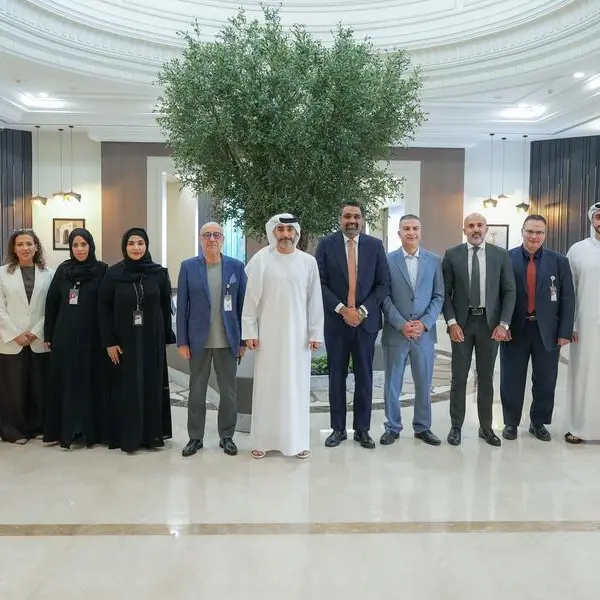
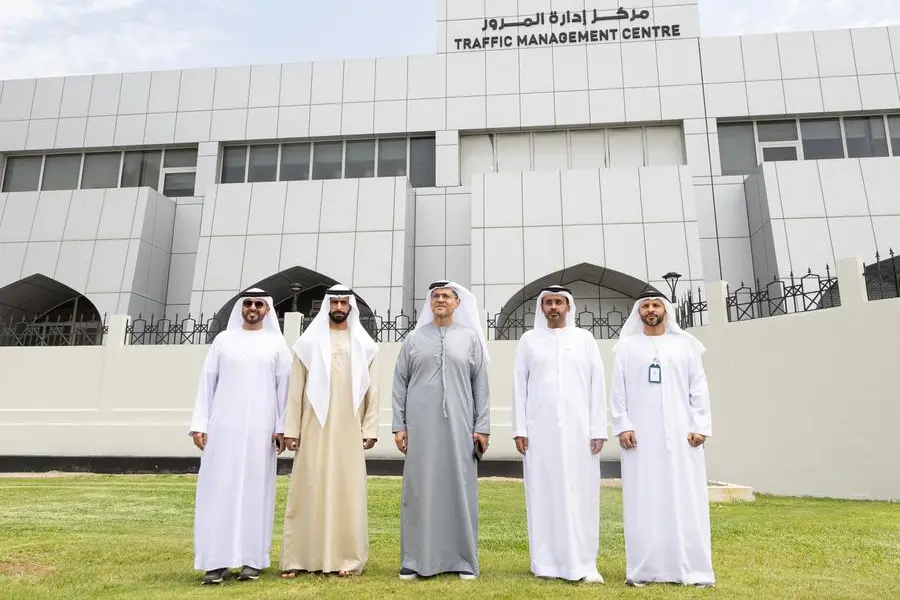
Abu Dhabi – The Integrated Transport Centre (ITC), an affiliate of the Department of Municipalities and Transport, has announced the inauguration of a central control room dedicated to managing and monitoring autonomous vehicle (AV) operations across Abu Dhabi, in the presence of Sheikh Hamdan bin Saeed bin Tahnoon Al Nahyan, Director of the Special Projects Department at the Private Office, and His Excellency Mohamed Ali Al Shorafa, Chairman of the Department of Municipalities and Transport.
This strategic step aims to enhance direct supervision and effective regulation of the sector through advanced systems for real-time monitoring, data analysis, and decision support, ensuring the highest levels of safety and operational efficiency. The control room comes amid the continuous expansion of autonomous vehicle services in the emirate, highlighting the importance of developing regulatory mechanisms that keep pace with the rapid growth of this sector.
The ITC stated that the control room functions during approved hours, ensuring all monitoring and response activities align with designated schedules and regulatory requirements. allowing immediate monitoring of autonomous vehicle movement and rapid response to any operational or emergency situations, in accordance with approved procedures, thereby enhancing road safety.
The control room is equipped with advanced monitoring and operational systems, including a centralised supervision system. It also incorporates an integrated platform for the operational and Testing management of Autonomous Vehicles (AViTOMS), enabling real-time tracking of vehicle locations, speeds, and routes; comprehensive trip recording and analysis; coordinated emergency response management with relevant authorities; and the generation of periodic data-driven reports to enhance routing and optimise operational efficiency. In addition, the platform manages the processes of issuing permits and approving operational routes.
Dr Abdulla Hamad AlGhfeli, Acting Director General of the Integrated Transport Centre, said: "The inauguration of the central control room represents a key milestone in the development of the regulatory framework for autonomous vehicles in Abu Dhabi. It responds to the rapid adoption of smart mobility technologies, which require an advanced supervisory system to ensure real-time monitoring and efficient risk management. Through this control room, we establish an integrated approach combining technical capabilities and regulatory frameworks, enhancing the emirate’s readiness to operate autonomous vehicles within a safe and organised environment that builds trust and road safety."
In the context of adopting advanced technologies, H.E. Hamad Adel Al Afeefi Executive Director of Intelligent Transportation Systems Sector, stated that “the Centre’s initiatives reflect a significant shift toward an integrated digital services model that strengthens Abu Dhabi’s leadership in the smart transportation sector.”
The control room covers all autonomous vehicle services operated by licensed providers in the emirate, strengthening oversight, supporting the sector’s rapid growth, and fostering a regulatory environment that ensures smart mobility solutions are adopted with the highest standards of safety and efficiency.
About Integrated Transport Centre:
The Integrated Transport Centre (Abu Dhabi Mobility), affiliated with the Department of Municipalities and Transport, is the legislative, regulatory, and supervisory authority responsible for managing and developing the transport sector in the Emirate of Abu Dhabi. It formulates policies and frameworks aimed at establishing a smart, safe, and integrated mobility system that supports the Emirate’s aspiration to be among the most advanced cities in the world.
The Centre oversees all land, maritime, and aviation transport activities, ensuring the integration of the mobility system in line with urban and population growth requirements. It also leverages the latest technologies, innovation solutions, and sustainability practices to meet future mobility needs, enhance service efficiency, improve quality of life, and redefine urban mobility standards by promoting sustainable transportation concepts.