PHOTO
- UK aims to expand its low-carbon hydrogen production to 10GW capacity by 2030
- At least half (5GW) will be fully green hydrogen powered by renewables
- Demand is driven by major industrial decarbonisation projects and data centre growth
- UAE brings expertise in large-scale CCUS and renewable energy integration projects
- Strengthening UAE-UK ties lay groundwork for joint venture projects and direct funding
Abu Dhabi, United Arab Emirates: As the global energy transition accelerates, the World Future Energy Summit, taking place at ADNEC Centre Abu Dhabi from 13-15 January and part of Abu Dhabi Sustainability Week hosted by Masdar, is set to highlight the pivotal role of green hydrogen in industrial decarbonisation.
Against the backdrop of the UK’s ambition to expand low-carbon hydrogen production to 10GW by 2030, the Summit provides a platform for industry leaders, policymakers, and investors from the UAE and UK to explore collaborative solutions. The Summit will showcase how the UAE’s expertise in renewable energy and large-scale Carbon Capture, Utilization, and Storage (CCUS) projects can help scale the UK’s green hydrogen market, laying the groundwork for strategic partnerships and cross-border investment.
Leading market analysts insist that the “hurricane of hype” on green hydrogen has now settled into a new phase of market realism during the past two years, prompting the UK to push a more ambitious development agenda with low-carbon hydrogen at the forefront of its energy plans.
Increasingly confident statements from leading UK Government figures highlight a transition from stated intent to actual movement on scalable projects and investments. Sarah Jones, the UK’s Minister of State for Industry, recently confirmed this stance. “I am convinced hydrogen must be at the heart of our plans to grow the economy and to become net zero by 2050,” she said. “Already, Government and industry are delivering real projects to kickstart the UK hydrogen economy.”
The UAE is well placed to benefit from, and actively fuel, the growth of the expanding UK green hydrogen industry.
Dr Carole Nakhle, the CEO of Crystol Energy and Secretary General of the Arab Energy Club, will speak at the Summit next week. She added: “The UK and the UAE share a long-established strategic relationship that goes far beyond energy, but hydrogen is now a natural extension of that partnership as both countries pursue industrial decarbonisation and long-term growth. After the initial surge of enthusiasm, the hydrogen market has entered a more sober and disciplined phase, where scale, capital strength, technical expertise, and genuine long-term commitment will determine who succeeds. For that potential to translate into delivery, the UK will need a clear and stable regulatory framework that gives international partners such as the UAE the confidence to commit capital at scale and over decades.”
In a two-part roundtable discussion last year, the World Future Energy Summit hosted leading figures from both countries’ clean energy companies, industry groups, and financial and governmental bodies. The participants concluded that there is extremely fertile ground for deeper UAE-UK collaboration on green hydrogen development. Their specific suggestions included:
- Accelerated co-funding of UK-based projects, with special investment vehicles agreed between both governments to alleviate risk and promote further public/private partnership opportunities.
- Targeted support for promising startup technologies, lifting them out of “pilot purgatory”.
- Clearer government signals on regulatory support and appropriate incentivisation for green hydrogen development, ranging from tax breaks and subsidy mechanisms to guaranteed offtake agreements.
- Using UAE expertise to develop low-carbon hydrogen hubs in appropriate UK locations, where production facilities can be powered by renewables and tied into industrial decarbonisation efforts.
- Tapping into growing global demand for “clean” data centres by co-locating them with a combination of renewable energy production and CCUS to boost the efficiency of all industrial activities within the hub.
With their overlapping interests, ambitions, and areas of expertise, the years 2026-2030 could represent a new phase of UAE-UK collaboration on green hydrogen. In a recent edition of the World Future Energy Summit podcast series, Future Energy Insights, Frank Wouters, Chairman of the MENA Hydrogen Alliance, explained how these next few years will be pivotal for the UAE and wider GCC region to capitalise on their production efforts to date.
“While the Gulf countries built their economies on hydrocarbons, they didn’t do it purely for export purposes – they used those resources to fuel major industrial development,” he said. “The beauty of hydrogen is its utility; you can replace the hydrocarbons across all industrial activities to clean them up, and these economies are primed to plug in green hydrogen at scale.
“GCC economies are investing heavily into this approach, and now the Gulf’s ability to produce scalable, low-cost green hydrogen makes it the ideal time to forge closer links with regions looking to offtake, such as Europe and Southeast Asia.”
Upscaling green hydrogen in the UK from pilot projects and isolated case studies into industry-wide integration efforts will require massive, sustained funding. The UK Government’s own projections suggest that a further £9 billion (AED 44.6 billion) of private sector funding will need to be raised to keep its 2030 ambitions on track, primarily through the 27 hydrogen projects that represent the next stage of the government’s flagship hydrogen programme. June 2025 saw the UK Government invest a further £500 million of public funds for the specific purpose of developing hydrogen infrastructure, signalling its long-term commitment to building this nascent industry.
This represents an unmissable opportunity for the UAE to solidify its position as a long-term strategic partner in the UK’s green hydrogen development journey. At home, the UAE has already allocated billions of dollars to upscale its production facilities, such as the Ta'ziz Industrial Hub and a gigawatt-scale hub in the Khalifa Economic Zones Abu Dhabi (KEZAD). These two projects alone represent a £5.2 billion investment.
Abroad, its appetite for funding is growing even faster, as last year saw UAE private interests commit £18.5 billion to a new green hydrogen and ammonia project in Dakhla, Morocco, to develop a facility with a 1 million tonnes per year capacity. Private and public investment sources within the UAE are now primed to flow towards the UK as well, if properly encouraged with a suitable combination of clear government signals and a strong list of viable, de-risked projects.
In another Future Energy Insights episode, Cornelius Matthes, CEO of Dii Desert Energy, outlined the reasoning behind the UAE’s increasing eagerness to grow its own domestic capabilities in green hydrogen, with a view to creating an industry that outstrips local demand and taps into growing global appetite for decarbonisation.
“The UAE has a target of 1.4 million tonnes per year by 2031, but with so many new projects in the pipeline, I’m confident it will exceed that level, even if they don’t all materialise,” he said. “The whole GCC region is one of the few globally that has the right conditions and infrastructure to both develop cost-competitive hydrogen quickly and export it. Proximity to demand centres, established trade links, a strong industrial heritage – there are so many reasons why it makes sense for the region to pursue green hydrogen for the global market as well as its own demand.”
In recognition of its growing role and prominence in the global energy transition, the World Future Energy Summit 2026, which already hosts several leading players in the sector, will once again feature the Green Hydrogen Innovation Hub, a dedicated zone that showcases 20+ startups whose innovations may pave the way to even faster global integration and upscaling.
Standout companies include Advanced Ionics, whose electrolyser technology uses waste heat from industry to create low-cost clean hydrogen for less than $1/kg, directly addressing the cost barrier for heavy industry. Another is Power to Hydrogen, who offer an AEM electrolyser that cuts capital costs by 65 per cent and integrates directly with renewable sources, solving the high CAPEX challenge of traditional systems.
With sufficient planning and close cooperation, the UAE and UK can put their respective resources, expertise, and investment links to the strongest possible use, ensuring that both nations enjoy the benefits of early adoption of green hydrogen. The World Future Energy Summit will explore the growing links between these two nations, and their respective regional markets, in the context of a global transition to cleaner energy sources that fuel faster industrial decarbonisation.
For insider analysis of the latest green hydrogen developments, visit the World Future Energy Summit podcast series, Future Energy Insights.
For further information on the deepening UK-UAE clean energy ties, download the two-part report developed by the World Future Energy Summit in partnership with ADSW and Masdar.
World Future Energy Summit:
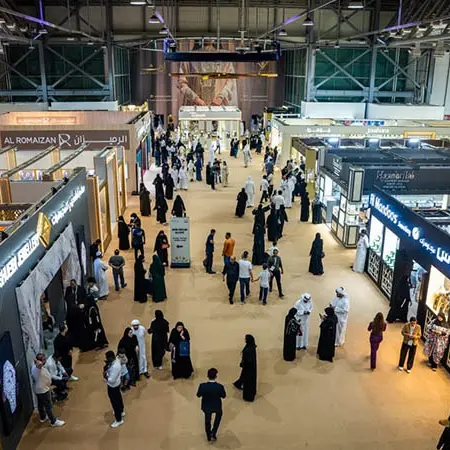
As the largest event during ADSW, the World Future Energy Summit continues to be a driving force for innovation, collaboration, and thought leadership in renewable energy and sustainability. Now entering its 18th edition, the Summit has established itself as a vital platform bridging policy with real-world action and business growth.
The 2026 edition, taking place from 13–15 January, will feature more than 800 global brands, the dynamic Greenhouse start-up zone, the Fuse AI cleantech pavilion, and the debut of the Greenpeace Cinema. Over three days, attendees will have the opportunity to join conferences led by 300+ industry experts, explore nine exhibition halls showcasing breakthrough products and solutions, and connect with more than 50,000 participants from across the globe.
About Abu Dhabi Sustainability Week:
Abu Dhabi Sustainability Week (ADSW) is a global platform supported by the UAE and its clean energy leader, Masdar, to address the world’s most pressing sustainability challenges through crucial conversations accelerating responsible development and fostering inclusive economic, social and environmental progress.
For more than 15 years, ADSW has convened decision-makers from governments, the private sector and civil society to advance the global sustainability agenda through dialogue, cross-sector collaboration and impactful solutions. Throughout the year, ADSW conversations and initiatives facilitate knowledge sharing and collective action that will ensure a sustainable world for future generations.
About Masdar:
Established in 2006, Masdar (Abu Dhabi Future Energy Company) is a global clean energy leader, transforming how the world produces and consumes energy through bold innovation and commercial excellence.
Masdar is a clean energy investor, developer and operator, advancing renewable energy projects across key markets and technologies, with a global project portfolio capacity to date of over 51 gigawatts (GW).
Jointly owned by TAQA, ADNOC and Mubadala, Masdar is driving the scale-up of renewables worldwide, targeting a portfolio capacity of 100GW by 2030.
Contact:
For media inquiries, please contact: press@masdar.ae
For more information, please visit: https://www.masdar.ae and connect: facebook.com/Masdar.ae and twitter.com/Masdar
Sources:
https://www.gov.uk/government/publications/uk-hydrogen-strategy
https://www.infrastructureinvestor.com/the-hydrogen-hustle-all-hype-or-halfway-there/
https://www.worldfutureenergysummit.com/en-gb/podcast/future-energy-insights.html
https://www.gov.uk/government/news/new-hydrogen-power-projects-to-boost-growth