PHOTO
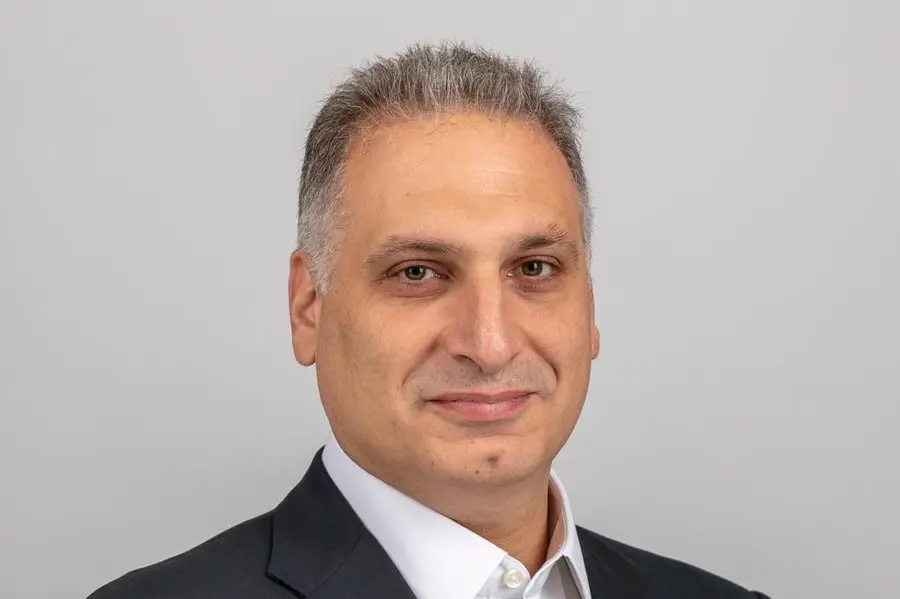
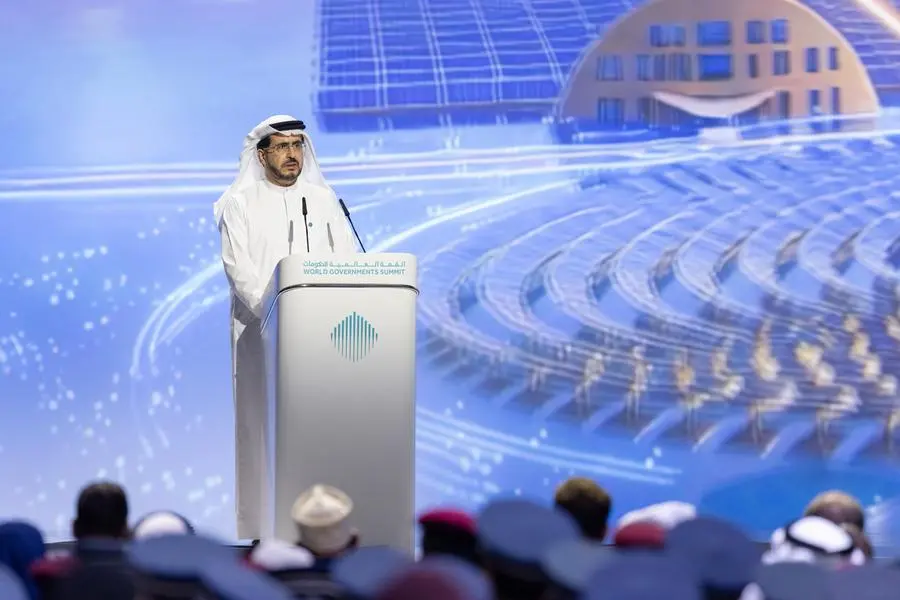
Dubai, UAE: HE Saeed Mohammed Al Tayer, MD & CEO of Dubai Electricity and Water Authority (DEWA), stated that the world is undergoing a major transformation in the energy sector, a key pillar in building more sustainable and resilient systems.
This transformation is being driven by the integration of artificial intelligence (AI) across production, transmission, and distribution processes. By reducing environmental impact, enhancing competitiveness and infrastructure resilience, and improving resource efficiency, AI enables industries to grow and communities to thrive.
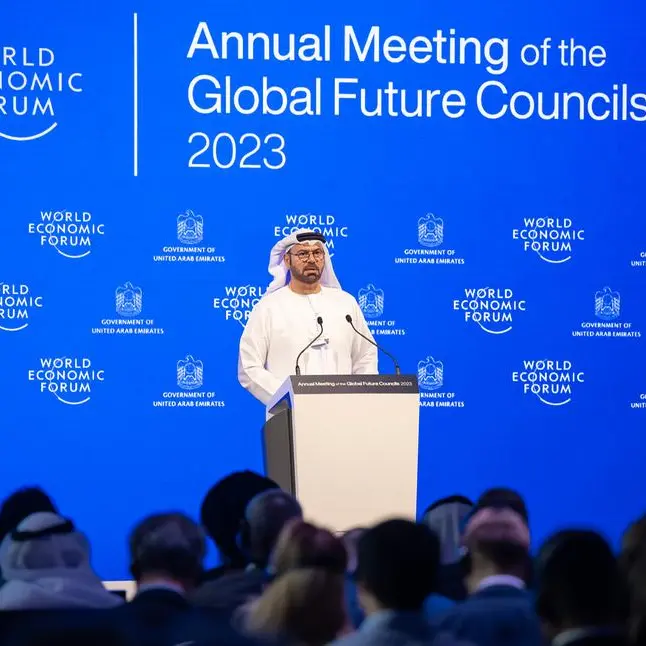
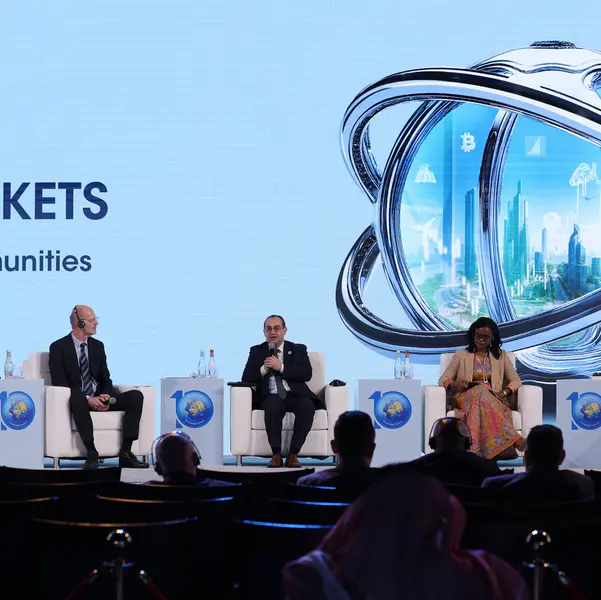
Al Tayer made these remarks in his speech titled ‘AI-Driven Energy Transformation’ on the final day of the World Governments Summit (WGS) 2026, where he highlighted the UAE and Dubai’s pioneering visions and leading experiences.
Al Tayer explained that the energy transition is not an end in itself, but a key driver of sustainable economic growth. He noted that a comprehensive transformation of the energy sector cannot be achieved without leveraging the Fourth Industrial Revolution technologies, especially AI, which is experiencing unprecedented global growth. The global AI market is projected to grow from approximately US$300 billion in 2024 to US$4.8 trillion by 2033.
Reports indicate that by 2027, 40% of control rooms in utilities worldwide will operate with AI-driven automation, predictive analytics and intelligent decision-making. This rapid expansion will significantly increase energy demand for advanced data centres. By 2035, global data centre electricity consumption is expected to exceed 2,000 terawatt hours annually, nearly five times the levels recorded in 2024.
“Guided by the vision and directives of the wise leadership of UAE President His Highness Sheikh Mohamed bin Zayed Al Nahyan, and His Highness Sheikh Mohammed bin Rashid Al Maktoum, Vice President and Prime Minister of the UAE and Ruler of Dubai, the UAE continues to consolidate its position as a global hub for sustainability and AI,” said Al Tayer.
He added: “His Highness Sheikh Hamdan bin Mohammed bin Rashid Al Maktoum, Crown Prince of Dubai, Deputy Prime Minister and Minister of Defence, and Chairman of The Executive Council of Dubai, is the driving force behind Dubai’s transformative AI strategy. His leadership of the Dubai Centre for Artificial Intelligence and the launch of initiatives such as the Dubai AI Campus and the annual AI Retreat are clear examples of an operational vision translating national strategies into tangible outcomes.”
“The report issued by Microsoft’s AI Economy Institute confirmed that the UAE has maintained its position as the top-ranked country in terms of the working-age population actively using AI. According to the latest Oxford Insights report, the UAE has been ranked among the top countries globally in Government AI Readiness Index 2025, progressing from strategy formulation to large-scale practical implementation. At the same time, the country is moving steadily towards achieving net zero by 2050. Through the Dubai Clean Energy Strategy 2050 and the Dubai Net Zero Carbon Emissions Strategy 2050, we aim to provide 100% of energy production capacity from clean sources by 2050,” he added.
Al Tayer stressed that DEWA does not view AI merely as a tool for specific tasks. Rather, it integrates AI comprehensively into the core of the organisation’s corporate identity, culture and strategy, as well as across all operations, from production, transmission and distribution of electricity and water to customer experience.
DEWA’s adoption of AI helps reduce operating costs, boost productivity, and attract investment by delivering reliable energy and water infrastructure. It also generates new employment opportunities in data analysis, digital engineering, and smart systems maintenance.
Al Tayer shared key milestones illustrating the role of AI in reshaping the value chain across DEWA’s energy ecosystem.
He said DEWA’s AI journey began in 2017 with the launch of Rammas, its AI-powered virtual employee, which has handled more than 12 million customer inquiries without human intervention.
The company established Digital DEWA, its digital arm, supported by a comprehensive AI roadmap aimed at making DEWA the world’s first AI-native utility. Through Moro Hub, a subsidiary of Digital DEWA, the authority has established multiple data centers, including the world’s largest green data center powered by solar energy—recognized by Guinness World Records—located at the Mohammed bin Rashid Al Maktoum Solar Park. DEWA’s AI-enabled Space-D programme aims to enhance planning, predictive maintenance, network asset monitoring and other operational applications.
Al Tayer stressed that strategic partnerships with leading global companies and research institutions play a central role in DEWA’s approach to develop world-class AI solutions and innovations that shape the future of utility services.
“In line with the vision and directives of His Highness Sheikh Mohammed bin Rashid Al Maktoum, we continue to implement the projects of the Mohammed bin Rashid Al Maktoum Solar Park, the world’s largest single-site solar park based on the independent power producer model,” said Al Tayer.
He added that AI is playing a key role in enhancing the efficiency and productivity of the Mohammed bin Rashid Al Maktoum Solar Park by optimizing photovoltaic panel cleaning cycles, forecasting power generation, and improving the integration of energy storage systems with the grid. He noted that “the solar park has become a global landmark, incorporating advanced technologies such as photovoltaic panels, concentrated solar power, and cutting-edge storage solutions. The park’s current capacity stands at 3,860MW, with clean energy now making up over 21% of Dubai’s energy mix and expected to rise to more than 36% by 2030 as the park’s capacity surpasses 8,000MW, well beyond the original 5,000MW target.”
Last year, Al Tayer announced the launch of the world’s first AI-powered gas turbine intelligent controller at DEWA’s Jebel Ali Power and Desalination Complex. The system enables autonomous turbine control, supported by digital twin technologies that optimize thermal performance. DEWA has since expanded this capability to cover the entire combined cycle power block, including gas turbines, steam turbines, and boilers.
DEWA is advancing to a new frontier in AI for power generation with the development of the ‘Virtual Engineer,’ set to go live in June 2026. This advanced intelligent system continuously learns from operational data and functions like an experienced expert, offering predictive failure alerts, root cause analysis, autonomous efficiency calculations, plant optimization recommendations, and real-time scenario simulations.
Across transmission networks, AI strengthens grid resilience through advanced machine learning algorithms. In the water network, DEWA’s Smart Meter Operations Centre leverages AI to provide end-to-end system visibility, enhance efficiency, and reduce water losses.
Al Tayer noted that thanks to the continuous support and guidance of the wise leadership, combined with decades of accumulated experience, DEWA ranks first among the world’s leading utilities across 13 key performance indicators.
The authority has built world-class electricity and water infrastructure that drives economic growth, underpinned by strong governance frameworks. It has also attracted leading international partners from both the public and private sectors through its independent power and water producer model.
“The future of utilities is intelligent. DEWA remains firmly committed to leading this future, reinforcing Dubai’s global leadership and advancing a model in which innovation drives sustainability, ensuring that the UAE continues to inspire the world,” concluded Al Tayer.