PHOTO
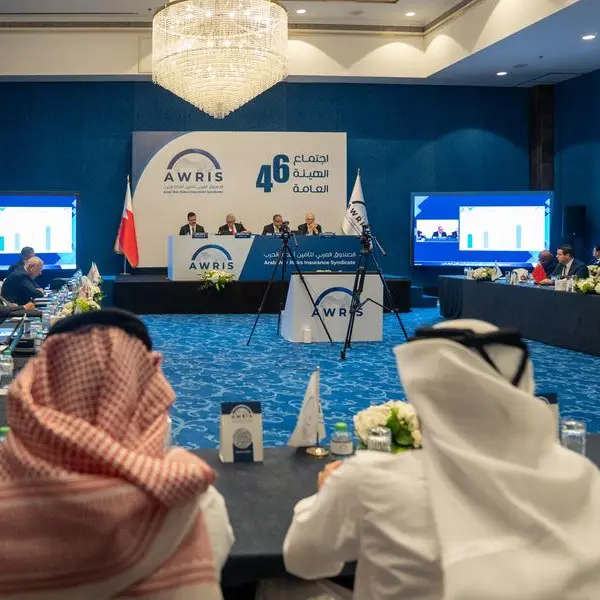
Kuwait: KPMG in Kuwait successfully concluded the eighth edition of its flagship tax conference, Talking Tax 2026, at the Four Seasons Hotel Kuwait, bringing together representatives from corporates, ministries, business councils, embassies, and regulatory bodies to examine Kuwait’s rapidly evolving tax landscape.
The event served as a key platform for businesses to gain clarity on the practical implications of the Domestic Minimum Top‑Up Tax (DMTT), which has been in force since 1 January 2025, and to better understand the broader regulatory developments shaping compliance, reporting, and governance expectations for 2026 and beyond.
Reflecting on the legacy and impact of the event, Dr. Rasheed Al‑Qenae, Chairman of KPMG’s CASA Region and Managing Partner of KPMG in Kuwait, noted: “We have been hosting Talking Tax for nearly a decade now, consistently bringing together leading voices from across the industry to discuss the issues surrounding tax. Our goal has always been to gather like‑minded professionals, stimulate meaningful dialogue, and help shape a stronger and more connected tax ecosystem in Kuwait. As the landscape continues to evolve, this platform becomes even more important in supporting businesses with clarity, collaboration, and confidence.”
The conference opened with remarks from Dr. Rasheed Al‑Qenae and Zubair Patel, Partner and Head of Tax for KPMG’s CASA Region, who emphasized that Kuwait has moved firmly into the implementation phase of global tax reform. With DMTT now in its second year, both speakers underscored the need for organizations to strengthen data quality, enhance internal tax controls, and adopt more integrated approaches across tax, finance, and technology.
A macroeconomic overview delivered by keynote speaker Daniel Kaye, Chief Economist at the National Bank of Kuwait, provided participants with an outlook on Kuwait’s economic trajectory and the expected performance of key sectors in the coming year.
This was followed by an in‑depth technical session led by Fahim Bashir, Partner – Tax and Corporate Services, supported by Naveen Bohra and Shashank Chaudhary from KPMG in Kuwait. The session provided detailed guidance on DMTT and transfer pricing compliance, outlining key considerations for year‑two reporting, including data consistency, intercompany transactions, effective tax rate (ETR) calculations, and the operational adjustments multinational groups must embed to avoid year‑end surprises.
Technology’s growing role in tax compliance was addressed by Nerses Nersisyan, Partner and Head of Tax and Legal at KPMG Armenia & Uzbekistan, who illustrated how automation and structured data governance are becoming essential for ensuring accuracy and auditability under new global tax requirements.
Two panel discussions followed, moderated respectively by Zubair Patel and Hanan Tariq, Partner – Tax, KPMG in Kuwait, bringing real‑world perspectives from senior finance and tax leaders across prominent Kuwaiti and multinational organizations. The first panel examined the practical challenges businesses face in operationalizing DMTT, while the second explored Kuwait’s evolving regulatory environment from tax, legal, and investment standpoints, offering insights into how organizations can better prepare for future reforms.
A major highlight of this year’s event was the launch of the KPMG Kuwait Tax Guide 2026, a comprehensive bilingual (English & Arabic) publication designed to support businesses navigating both legacy Kuwaiti tax rules and the new regulations introduced under DMTT and related reforms. The guide builds on KPMG’s previous tax publications for the Kuwait market and continues the firm’s commitment to providing accessible, practical and consolidated reference materials for tax leaders.
Speaking after the launch, Zubair Patel said: “Our aim with this guide is to bring the legacy and the new frameworks together in one accessible resource so taxpayers can clearly understand their obligations, distinguish between the two regimes, and make informed decisions. As the tax ecosystem continues to evolve, we want to ensure organizations have a dependable reference to support accurate compliance and forward‑looking tax planning.”
Talking Tax 2026 once again reinforced KPMG’s role as a leading voice in shaping tax dialogue in Kuwait, offering businesses a timely and practical understanding of the changes ahead. With participation from key industry stakeholders and senior experts, the event provided a well‑rounded view of how tax, regulation, and economic policy are converging — and how organizations can plan proactively as Kuwait progresses toward greater alignment with global tax standards.
To download the Tax Guide, visit kpmg.com/kw.
About KPMG in Kuwait
KPMG has been operating in Kuwait for more than two decades through its member firms KPMG Al-Qenae & Partners and KPMG Advisory W.L.L., providing Audit, Tax and Advisory services. By enhancing agility, strengthening connectivity and investing in key talent and technology, we are building a future-focused organization that can help tackle critical challenges through trusted insight, advice and analysis.
With ~250 employees and 10 partners based in Kuwait, KPMG Kuwait is part of and draws insight from a larger network of KPMG member firms operating in 142 countries and territories — ready to help clients navigate complexities that transcend borders.