PHOTO
Dubai, United Arab Emirates: Freight costs on key Asia–UAE shipping routes have surged from approximately $1,000 to $7,000 per container, yet Dubai’s logistics ecosystem continues to keep essential goods moving, reinforcing its position as one of the world’s most resilient trade hubs.
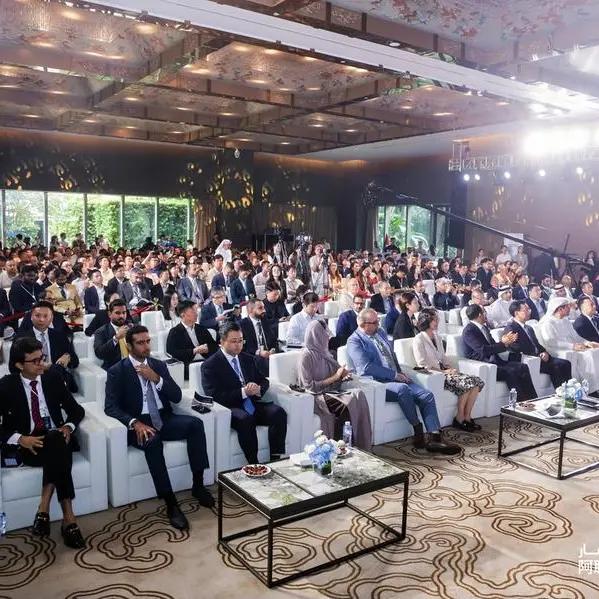
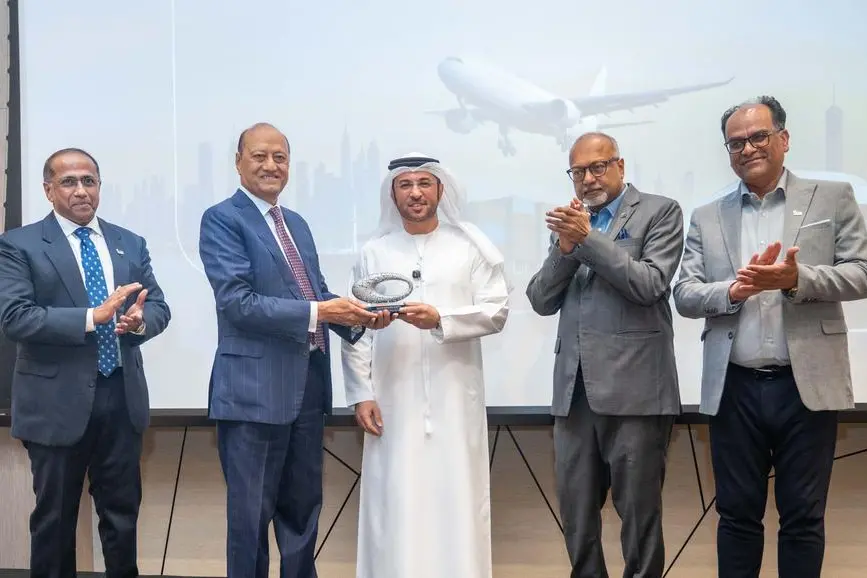
The figures emerged at “Current Situation in Supply Chain, Freight, Logistics & Operational Continuity,” a forum hosted by the Trade, Logistics & Industrial Value Chain (TLI) Focus Group of IBPC Dubai, which brought together senior government officials and industry leaders to assess ongoing global supply chain disruption.
Despite shipping corridor volumes falling by as much as 90-95 percent, participants said coordinated action across ports, customs, carriers and logistics operators has ensured continuity of trade and protected food security across the UAE.
Delivering the keynote address, H.E. Abdulla Bin Damithan, Chairman of Ports, Customs and Free Zone Corporation, Dubai, said Dubai’s resilience reflects long-term planning and structural strength, noting that it is the result of systems built well before a crisis emerges.
“Resilience is built long before a crisis. Dubai’s strength lies in its ability to anticipate change, adapt quickly and create practical solutions that keep trade flowing. While current challenges have tested supply chains and trade routes, we remain confident that trade will continue, businesses will continue operating and Dubai will continue investing in the future of global trade.”
He highlighted ongoing investment in infrastructure, innovation and trade facilitation, including the Green Corridor initiative and wider collaborative measures introduced across the UAE and with regional partners to support cargo continuity during recent disruptions, aligned with the D33 agenda.
The forum opened with remarks by Sam Manipadam, Convener of the TLI Focus Group, IBPC Dubai, who highlighted Dubai’s longstanding culture of foresight, adaptability and preparedness in navigating global challenges.
Setting the tone for the discussions, Paras Shahdadpuri, Governor of IBPC Dubai and Chairman of Nikai Group, said the disruption has tested businesses but also reinforced confidence in the UAE’s ability to respond decisively.
“Freight rates have risen from $1,000 to $7,000, putting pressure on businesses, but the speed of response here has helped maintain confidence in uncertain times.”
Introducing the keynote, Ramesh Ramakrishnan, Governor of IBPC Dubai and Chairman of Transworld Group, said the disruption has placed global logistics networks under significant strain but also highlighted the underlying strength of the UAE’s ecosystem.
“Despite sharp disruption, shelves remain stocked and factories are running. What we are seeing is a system under pressure, but still functioning because of the strength of coordination, infrastructure and execution on the ground.”
He added that the crisis has fundamentally reshaped operating assumptions across the industry. “This period has made one thing very clear. Flexibility, diversification and partnerships are no longer optional responses to crisis but are now fundamental business requirements that will define competitiveness going forward.”
A panel moderated by Siddhi Joshi, CEO of E-Movers, then carried the discussion from strategic positioning to operational execution, focusing on how different parts of the logistics chain are adapting in real time.
Nadia Abdul Aziz, President of the National Association of Freight and Logistics, said the disruption has reinforced the importance of system-wide coordination rather than isolated responses.
“This is not a siloed response. Public and private sectors are working in constant alignment, and that coordination is what is keeping trade flowing despite the pressure.”
She pointed to the growing reliance on alternative gateways such as Khor Fakkan, Fujairah and Salalah, alongside initiatives such as the Green Corridor, which are helping reroute cargo and maintain continuity across trade lanes.
Adding an operational shipping perspective, Captain Swaminathan Rajagopalan, General Manager of CMA CGM UAE, said the sector has moved from acute disruption toward gradual stabilisation through coordinated intervention across stakeholders.
“At the peak, we saw capacity drop to 10-15 percent, which created immediate bottlenecks across the network. Through coordinated action across ports, customs and carriers, we have now recovered to around 40 percent of pre-crisis volumes.”
“More than 100,000 TEUs have already moved through Green Corridor initiatives, which has been critical in maintaining supply continuity. Importantly, food security has not been compromised, and refrigerated cargo flows remain stable.”
Bringing the discussion back to commercial realities, Ritesh Ramakrishnan, Managing Director of Transworld Group, said the disruption has fundamentally shifted customer expectations around responsiveness and communication.
“In this environment, speed is not just operational, it is strategic. The ability to respond quickly and clearly has become a defining advantage.”
“Customers today expect transparency as much as service. Companies that can combine both clarity and solutions will be the ones that strengthen trust and emerge stronger from this disruption.”
Participants said the disruption is accelerating structural shifts in global logistics, including greater reliance on integrated sea, air, road and emerging rail networks, alternative trade corridors and diversified sourcing strategies.
The event formed part of IBPC Dubai’s Trade, Logistics and Industrial Value Chain (TLI) Focus Group initiative. It concluded with a vote of thanks from Balaji Nagabhusam, Co-Convener of the TLI Focus Group, IBPC Dubai, who reaffirmed the group’s commitment to continued industry collaboration.