PHOTO
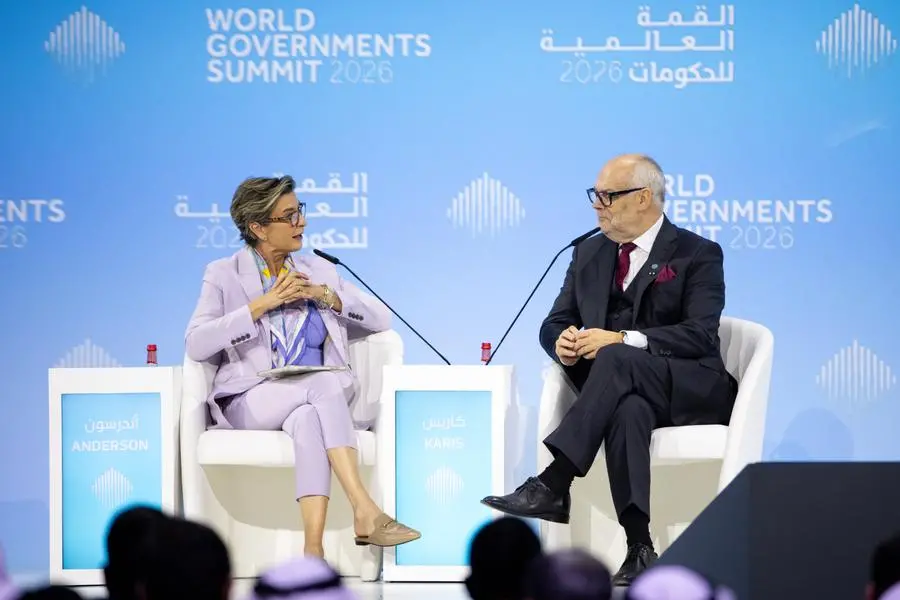
UAE, Speaking at the World Governments Summit (WGS), Alar Karis, President of the Republic of Estonia, outlined the foundations of his country’s digital transformation, saying that trust, early investment in education and cybersecurity have been central to Estonia’s success in adopting advanced technologies including artificial intelligence.
During a conversation at the summit, held from February 3 to 5 in Dubai, President Karis said Estonia’s technological journey began in the 1990s when the country was forced to make fundamental choices about its development path after it regained independence.
“We started from scratch, and innovation was one of the key decisions,” he said.
President Karis said his country prioritised providing internet access to all schools at an early stage, a move he described as transformative for society and economy. Today, he noted that “every child and every teacher” has access to AI tools for learning.
He emphasised that building trust between people, banks, government institutions and digital platforms was essential to enabling technological progress.
He said his country does not see itself as competing with technology, but rather enabling innovation through local companies that develop AI solutions.
As part of this approach, the country has introduced AI tools, including ChatGPT designed specifically for Estonian schools, giving students access to advanced digital learning resources.
Acknowledging the rapid adoption of AI by young people, President Karis said Estonia launched training programmes for teachers to ensure the technology is used intelligently and ethically in classrooms.
Turning to security, he said Estonia has made major investments in cybersecurity, warning that cyberattacks have become a defining feature of modern warfare.
“Cybersecurity attacks are everywhere now. It’s part of modern wars,” he said, noting that European states had been naïve towards the notion of peace all these years after the fall of the Berlin wall.
“We thought peace would last forever in Europe. We spend five per cent on defence these days, and we encourage other European countries to do the same.”
On the war in Ukraine, President Karis said the conflict, now in its fourth year, continues to have global repercussions.
“We were not ready for this kind of war. So we had to build up defence,”
He added that while casualties on the front line are mounting, Ukrainians are seeking peace, but meaningful negotiations remain stalled.
President Karis described Estonia as a small country with a highly open economy, and expressed optimism about the role of AI and technology in shaping the future.
“I’m optimistic about AI and technology in 2026,” he said, pointing to innovation as a driver of resilience and growth amid global uncertainty.