PHOTO
Sharjah: The 12th edition of the Al Maleh and Fishing Festival concluded on a high note on Sunday in Dibba Al Hisn city, reaffirming its role as a driver of economic and tourism growth.
Organised by the Sharjah Chamber of Commerce and Industry (SCCI) in cooperation with the Dibba Al Hisn Municipality, the festival ran from August 28 to 31 at Al Hisn Island, attracting more than 33,000 visitors from across the UAE and generating sales exceeding AED 1 million for exhibitors.
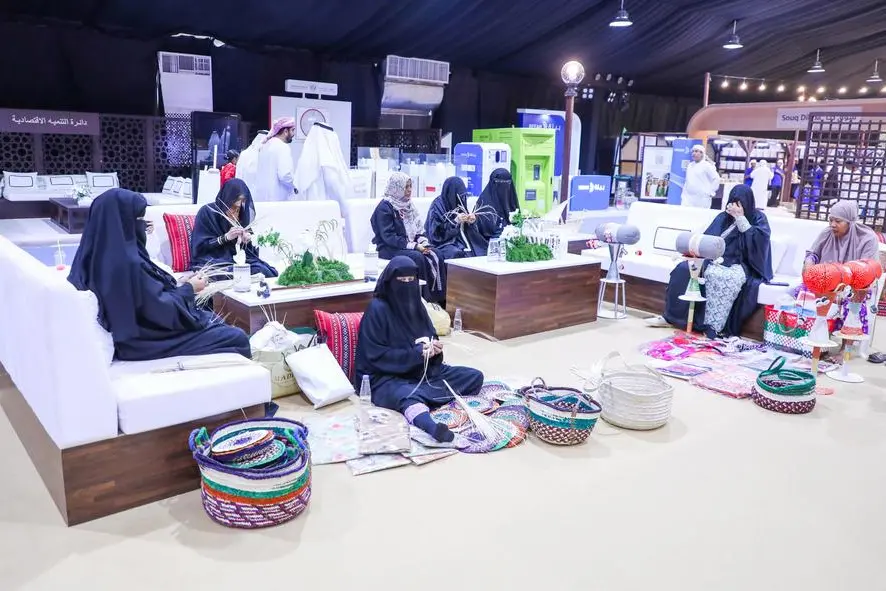
Recognised as one of the UAE’s most prominent heritage events dedicated to the Al Maleh (salted fish) industry, this year’s festival featured extensive participation from more than 100 exhibitors representing maritime-focused government entities, private sector companies, and retailers, in addition to craftsmen and local families involved in this age-old industry.
The event offered a vibrant cultural experience that blended authenticity with innovation, serving as both a celebration of the UAE’s cultural heritage and an engine for sustained economic and tourism development in Sharjah’s Eastern Region. It provided an integrated platform that highlighted the tradition profession of fishing and salted fish production, historically central to the livelihoods of coastal communities of the UAE.
Key attractions of this year’s edition included a dedicated central market for high-quality salted and dried fish, pavilions showcasing local agricultural products, and a culinary zone offering traditional seafood-inspired dishes. It also featured exhibition spaces that showcased the latest innovations in fishing gear, engines, and boats, creating a bridge between cultural traditions and modern innovation.
In his remarks, H.E. Abdallah Sultan Al Owais, Chairman of SCCI, said that the Al Maleh and Fishing Festival reaffirms its role as a flagship event reflecting the vision of H.H. Sheikh Dr Sultan bin Muhammad Al Qasimi, Supreme Council Member and Ruler of Sharjah.
He noted that the festival preserves cultural heritage as a dynamic element of community life, while safeguarding the sustainability of maritime professions that form an integral component of the national identity.
Al Owais added that the Sharjah Chamber, in cooperation with its partners, exerted great efforts to deliver an exceptional edition of the festival, marking a qualitative leap in both scale and scope. The exhibition area grew by 140 percent to reach 4,800 square meters, allowing for a larger number of exhibitors and a broader range of activities.
He emphasised that the festival’s success in attracting entrepreneurs underscores its credibility as a catalyst for innovation in traditional food industries and as a driver of growth for small and medium-sized enterprises.
For his part, H.E. Talib Abdullah Al Yahyai, Director of Dibba Al Hisn City Municipality, praised the high standards achieved by this year’s festival, which were made possible through strong organisational coordination and a commitment to delivering an exceptional visitor and participant experience.
He noted that beyond celebrating traditional fishing and fish preservation crafts, the event has evolved into a forward-looking investment, serving as a model of identity-based sustainable development.
“The festival supports productive families, fosters partnerships between traditional craftsmen and modern businesses, and plays a vital role in driving tourism and economic growth, while positioning Dibba Al Hisn, the Eastern Region, and the Emirate of Sharjah as leading destinations for heritage and distinguished events,” Al Yahyai added.
The 12th Al Maleh and Fishing Festival featured a diverse programme of interactive and educational activities, including applied sessions on fish salting and preservation techniques, training workshops on shipbuilding and net-making, and live folkloric performances highlighting the traditions of fishermen through storytelling, chants, and heritage fishing methods.
The agenda also incorporated panel discussions on the sustainability of marine resources and the adoption of sustainable fishing practices, in addition to cultural and artistic competitions designed to engage diverse audience groups recording strong participation and engagement from visitors.
Attendees highlighted their appreciation for the diversity of offerings and the integrated programme that combined education and entertainment. They affirmed that the festival offered a valuable opportunity to explore the intricacies of fish salting, traditional fishing practices, and marine-related crafts, while at the same time delivering an immersive cultural experience characterised by authenticity and distinctive local flavors.
For further information, please contact:
Ali Elgendy
Misbar Communications
ali@misbar-me.com
Ahmad Aldwairi
Misbar Communications
ahmad.aldwairi@misbar-me.com