PHOTO
Baghdad, Iraq – The Rabee Securities Iraq Stock Exchange Index (RSISX Index) increased by 1.5% in February, outperforming several regional markets including Dubai (DFM) (+1.1%), Bahrain (BHBX) (+0.8%), Kuwait (PR BKP) (+0.3%), while Qatar (QSE) declined by 2.3% and Saudi Arabia (TASI) fell by 5.9%. The rise in the RSISX Index was mainly driven by gains in National Bank of Iraq, Al-Mansour Bank, and Asiacell.
National Bank of Iraq and Al-Mansour Bank also significantly contributed to the 2.5% increase in the RS Iraq Banking Index (RSIBX) during the month. Meanwhile, the RS Iraq Halal Companies Index (RSIHX) decreased by 0.2%, weighed down by weaker share price performance from Baghdad Soft Drinks and Al-Mansour Pharmaceuticals Industries.
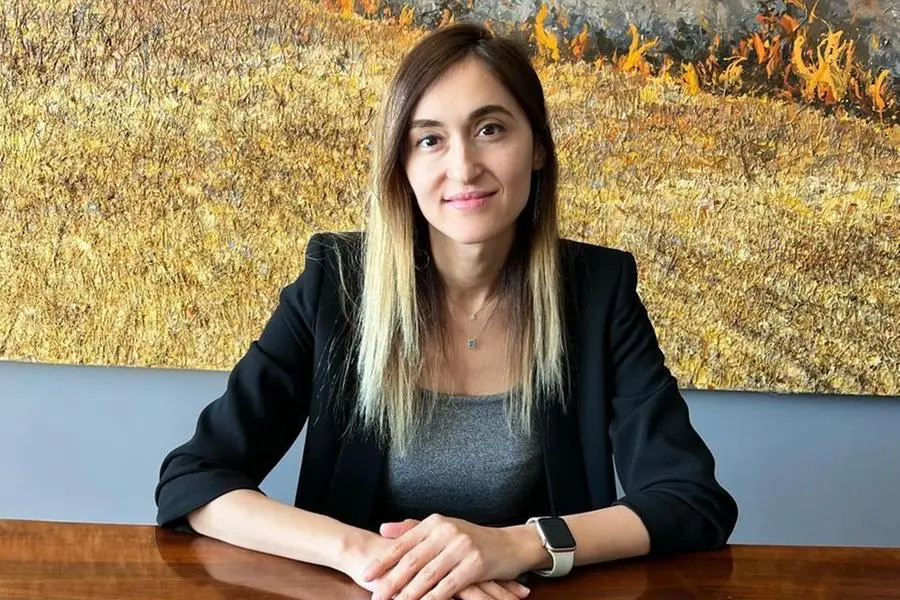
Commenting on market developments, Tugba Tan Karakaya, Equity Analyst at Rabee Securities, said:"The performance of Iraq’s market indices in February reflects continued selectivity among investors across sectors. While the banking sector remained a key driver of index performance during the month, differences in sectorial movements also highlight the evolving dynamics of the market and the varying factors influencing individual companies."
In February, Al-Rajih Islamic Bank for Investment & Finance announced its dividend distribution decision, confirming that the company will pay IQD 0.046 cash dividend per share, corresponding to a 4.6% dividend yield for investors.
The total trading volume on the Iraq Stock Exchange (ISX) increased by 5% in February compared to January, reaching USD 12.7 million. The banking sector accounted for the largest share of trading activity at 69.6%, followed by the telecom sector (9.9%), the industry sector (7.1%), the hotels & tourism sector (6.6%), the services sector (4.7%), and the agriculture sector (1.9%). Separately, the total trading volume in the OTC market decreased by 23% in February compared to January, reaching USD 302.1 thousand.
A total of 18 companies recorded share price increases during February, with nine companies rising by more than 5.0%, while six companies gained more than 10.0%. National Islamic Bank recorded the strongest performance during the month, rising by 100.0%, followed by Al-Hamraa for Insurance, which increased by 30.0%.
Tugba Tan Karakaya added:"Recent geopolitical developments in the region continue to shape the broader environment in which Iraq’s financial markets operate. At the same time, ongoing infrastructure and energy developments, together with continued institutional engagement, remain important factors supporting the long-term outlook for Iraq’s economy and capital markets."
Iraq is currently affected by the escalating conflict involving Iran, the United States, and Israel, with security concerns linked to the broader regional situation increasing risks across the region. Temporary disruptions in oil production and electricity supply have also affected parts of the country’s energy sector.
Among the other key developments in February, S&P Global Ratings affirmed Iraq’s ‘B-’ long-term and ‘B’ short-term foreign and local currency sovereign credit ratings. Meanwhile, Iraq entered exclusive talks with Chevron to replace Russian firm Lukoil at the West Qurna-2 oilfield, potentially unlocking increased production capacity as part of broader efforts to attract foreign investment in the oil sector.
Separately, Iraq has continued advancing work on the Grand Faw Port and the associated Development Road transport corridor, aimed at strengthening regional trade connectivity. In addition, the government recently submitted updated maritime boundary coordinates to the United Nations, a move that could have implications for shipping access and regional relations in the northern Gulf.