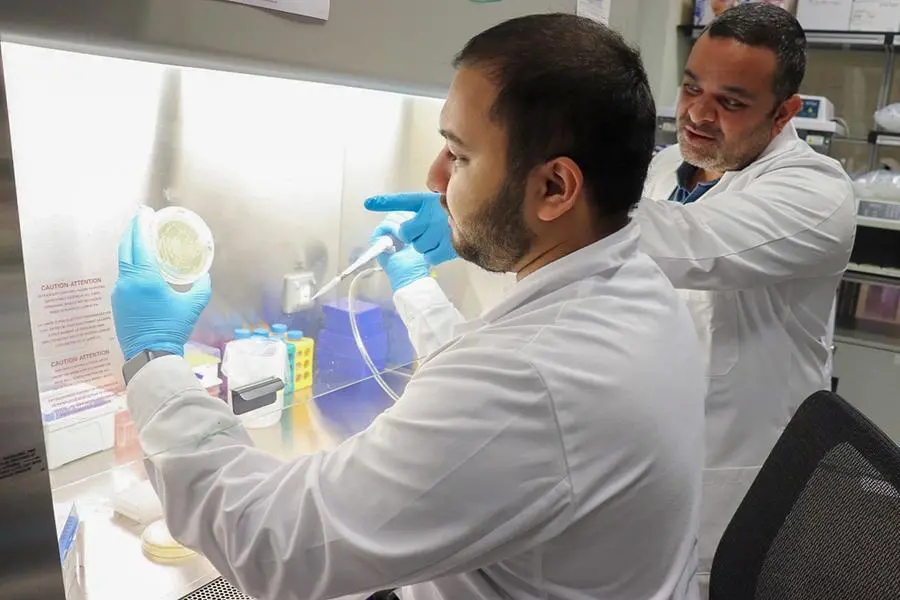
PHOTO
Abu Dhabi, UAE: A new study from NYU Abu Dhabi (NYUAD) has uncovered evidence that changes in oral bacteria may be associated with obesity and related metabolic disorders, and could potentially serve as an early indicator of related health risks. The findings could pave the way for novel strategies to detect and prevent obesity by targeting the body’s oral microbiome–a collection of bacteria and other microbes that live in the mouth. This study, conducted with the support of the Department of Health – Abu Dhabi, reflects its proactive approach to prevention and early disease detection. It advances the field of precision medicine, and supports the delivery of personalised care tailored to individual needs through the integration of genomic, clinical, biochemical, and metabolomic data, enhancing individual health and quality of life in the long term.
Led by Aashish Jha, Assistant Professor of Biology and Co-Principal Investigator of the Research Institute’s Public Health Research Center at NYU Abu Dhabi, the research, published in Cell Reports, analysed samples from 628 Emirati adults enrolled in the UAE Healthy Future Study. It represents one of the most detailed oral microbiome investigations to date, exploring how oral bacterial composition differs between individuals with and without obesity.
Using advanced multi-omics profiling of the participants, the research team found that individuals with obesity have distinctive patterns of bacteria with distinct functions and produce metabolites that may contribute to inflammation and metabolic imbalance. Certain types of bacteria linked to inflammation were more common, while bacteria that support healthy metabolism were less abundant in the obese group. These changes were accompanied by higher levels of specific chemical by-products that have previously been connected to weight gain and metabolic disease. Together, these findings suggest that imbalances in the mouth’s microbial community may contribute to the inflammation and metabolic stress, a condition in which the body experiences a disruption in normal metabolic processes when energy demands or cellular balance exceed the body’s capacity, leading to impaired cellular function and responses, often seen in obesity.
“Our findings highlight the mouth as an important, yet often overlooked, part of the body’s metabolic system,” said Jha. “By studying how oral bacteria and metabolites differ in people with obesity, we can begin to understand how these microbes may influence inflammation and overall metabolic health. This opens new possibilities for early detection and prevention strategies focused on the oral microbiome.”
Dr. Asma Al Mannaei, Executive Director of the Health Life Sciences Sector of the Department of Health – Abu Dhabi (DoH), said: “Abu Dhabi continues to prioritise the development of a strong life sciences ecosystem that enables scientific discovery and advances in precision health. We congratulate the NYU Abu Dhabi research team on this important contribution to the UAE Healthy Future. Insights of this nature help deepen our understanding of the biological factors that shape long-term health and support our wider efforts to promote prevention, enhance population health and inform evidence-based interventions that can improve outcomes for our community.”
Obesity is a growing health challenge around the world. By focusing on the oral microbiome, this study adds a new dimension to understanding how microbial imbalances may influence body weight and metabolic health. New York University Abu Dhabi’s efforts underscore its leadership in biomedical research that supports the advancement of innovative preventive and personalised care models, embodying the Emirate’s commitment to strengthening scientific research and innovation in addressing regional and global health challenges, while prioritising the health and wellbeing of individuals and communities.
The UAE Healthy Future Study is a prospective cohort study that aims to shed light on the risk factors of non-communicable disease in the Emirati population, in collaboration with strategic partners and a team of co-investigators from academic, healthcare and industry partners in the UAE.
Times Higher Education ranks NYU among the world’s top 31 universities, making NYU Abu Dhabi the highest globally ranked university in the UAE. Alumni achievements include 24 Rhodes Scholars, underscoring the caliber of talent nurtured at the University. On the faculty and research front, NYUAD now has four Nobel Laureates and established more than 90 faculty labs and projects, producing over 9,500 internationally recognized publications. According to the Nature Index, NYUAD ranks number one in the UAE for publications in the world’s top science journals.