PHOTO
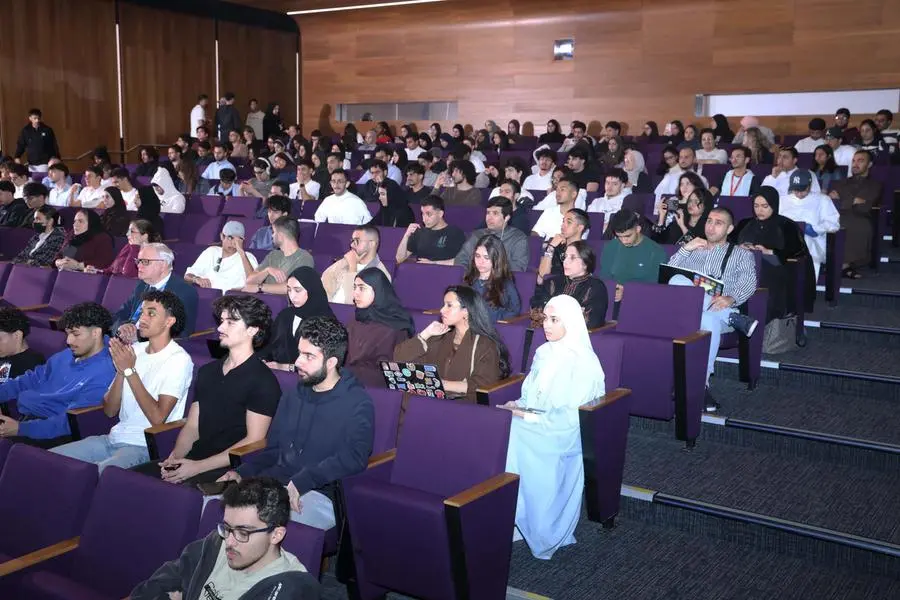
Manama:The American University of Bahrain (AUBH) officially convened its Education Day Forum 2026 under the theme "Empowering Minds: Psychological Insights For Transforming Higher Education," bringing together academics, psychologists, and educational experts from around the world.
The hybrid forum aimed to explore the profound correlation between psychological well-being and academic achievement, highlighting contemporary pedagogical strategies that foster integrated learning environments designed to support holistic student development.
The event featured a series of engaging panel discussions and expert-led conversations with distinguished speakers. Discussions centered on key themes shaping the future of higher education from psychological and pedagogical perspectives. Topics included psychology-informed curriculum design, assessment methods that foster sustainable cognitive growth, motivation and behavioral dynamics in the classroom, and the role of emotional intelligence in developing students’ leadership and social competencies.
Speakers also addressed the mental health challenges students face today and outlined effective pedagogical interventions, emphasizing the importance of strengthening institutional counseling and support systems across campuses.
The forum underscored the need to integrate mental health frameworks into holistic education strategies, aimed at preparing graduates with the scientific grounding and psychological resilience required to meet future professional challenges.
Reflecting on the significance of the event, Dr. Nina Abdul Razzak, Director of Institutional Research and Assessment at the American University of Bahrain, affirmed that AUBH takes great pride in organizing the Education Day Forum 2026, noting that the initiative stems from a firm conviction that higher education extends far beyond the mere dissemination of academic knowledge.
Dr. Abdul Razzak said, "Education is a holistic process dedicated to character formation and intellectual empowerment, grounded in a profound understanding of students' psychological and social imperatives. Investing in the psychological dimensions of the learning experience serves as a transformative catalyst for cultivating an inclusive ecosystem that empowers students both academically and personally, thereby equipping them to emerge as distinguished leaders and innovators poised to drive progress within their respective communities."
Dr. Abdul Razzak further emphasized the importance of such academic gatherings in fostering collaboration among institutions and experts, and in creating a meaningful platform for dialogue on how mental health can enhance higher education outcomes while ensuring a learning environment that supports students in all dimensions of their development.