As countries in the region respond to ongoing Ebola Virus Disease (EVD) outbreaks in neighboring Democratic Republic of the Congo and Uganda, Zambia continues to take proactive steps to strengthen its preparedness and response capacity through targeted investments in surveillance, digital tools, and pandemic planning.
With support from the World Health Organization (WHO) and partners, Zambia has recently scaled up a series of critical capacity-building initiatives focused on Integrated Disease Surveillance and Response (IDSR), Go.Data, and Pandemic Influenza Preparedness (PIP) -constituting a comprehensive approach to health emergency readiness.
Strengthening frontline surveillance with IDSR training
At the heart of outbreak detection and response is a strong surveillance system. Through the rollout of the 3rd Edition of the Integrated Disease Surveillance and Response (IDSR) training, WHO is supporting the Ministry of Health to equip frontline health workers with the skills needed to detect, report, analyze, and respond to priority diseases and public health events.
The training - implemented across districts in high-risk provinces - covers the entire surveillance cycle, including case identification, reporting, data analysis, outbreak investigation, risk communication, and use of electronic systems (eIDSR/DHIS2).
By addressing gaps in training coverage at health facility level, the initiative is improving the timeliness, completeness, and quality of surveillance data, ensuring that potential outbreaks are detected early and acted upon swiftly.
Enhancing outbreak response with Go.Data
Complementing IDSR efforts, WHO and the Zambia National Public Health Institute (ZNPHI) are piloting the Go.Data platform, a digital tool designed to strengthen outbreak investigation and contact tracing.
Through dedicated training sessions, frontline surveillance teams in Lusaka, Copperbelt, and Muchinga provinces are gaining practical skills in using Go.Data to register cases, trace and monitor contacts, and generate real-time data for decision-making.
By digitalizing contact tracing workflows, the platform improves coordination, enhances data quality, and supports faster response - critical in managing outbreaks such as mpox and potential viral haemorrhagic fevers, including Ebola.
Preparing for future pandemics through influenza planning
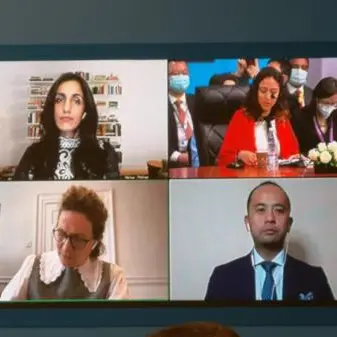
Recognizing the ongoing global threat posed by respiratory pathogens, WHO has also supported the Ministry of Health to convene a multisectoral workshop to validate Zambia’s National Pandemic Influenza Preparedness Plan.
The workshop brought together stakeholders from across sectors to strengthen readiness for pandemic influenza through a whole-of-government and whole-of-society approach, aligned with the WHO Pandemic Influenza Preparedness (PIP) Framework.
By incorporating lessons learned from COVID-19 and other public health emergencies, the validated plan will guide early detection, rapid response, effective coordination, and equitable access to services during future pandemics.
A timely investment in health security
These efforts come at a critical time for Zambia and the region. The persistence of EVD outbreaks in neighbouring countries underscores the importance of robust surveillance systems, trained health workers, and coordinated preparedness plans.
Together, the IDSR training, Go.Data implementation, and pandemic influenza planning form a complementary and integrated approach to strengthening Zambia’s health security architecture - ensuring the country is better prepared not only for current threats, but also for future epidemics and pandemics.
Partnerships driving impact
These initiatives are made possible through strong collaboration between the Government of Zambia, WHO, and partners, with financial support from Irish Aid and the Pandemic Fund. Their contributions are helping to build a resilient health system capable of protecting lives, detecting threats early, and responding effectively to public health emergencies.
Distributed by APO Group on behalf of World Health Organization (WHO) - Zambia.