PHOTO
Riyadh: The Saudi Vision 2030 annual report for 2025 has documented a series of transformative health indicators, reflecting the comprehensive evolution of the Saudi healthcare sector since the Vision's inception. A key highlight of the report is the expansion of basic healthcare coverage, which reached 97.5% of populated areas by the end of 2025.
This achievement is complemented by a significant drop in health risks, including a 60% decrease in traffic accident fatalities and a 40% reduction in deaths from chronic diseases—exceeding United Nations targets—alongside a 50% decline in deaths from infectious diseases.
The report also emphasized the Kingdom’s progress in early detection and specialized research. The early detection rate for cancer has reached 70%, supported by a policy framework that prioritizes "health in all policies."
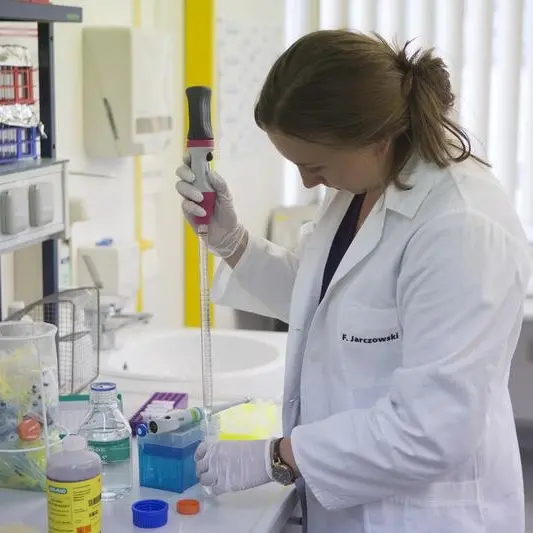
In the field of clinical research, the number of clinical trials grew by 50% between 2023 and 2025, with 13 qualified sites now operating within the Kingdom.
This growth is supported by a robust workforce of over 800,000 registered healthcare practitioners and more than 35,000 Saudi Board graduates specializing in over 170 medical fields.
On the international stage, Saudi Arabia now ranks first regionally with 16 WHO-accredited "Healthy Cities" and secured over 19 medals at the 2025 Geneva International Exhibition of Inventions. The report specifically noted the world's first fully robotic artificial heart pump implantation at King Faisal Specialist Hospital and Research Center as a landmark medical achievement.
These milestones are a direct result of the Health Sector Transformation Program, which continues to drive digital innovation, talent development, and improved care models in line with the objectives of Saudi Vision 2030.