PHOTO
The UAE’s informal money transfer service providers, also known as Hawaladars, have about three months to register their business activity, otherwise they will face a legal action, including penalty and imprisonment, the country’s bank regulator has said.
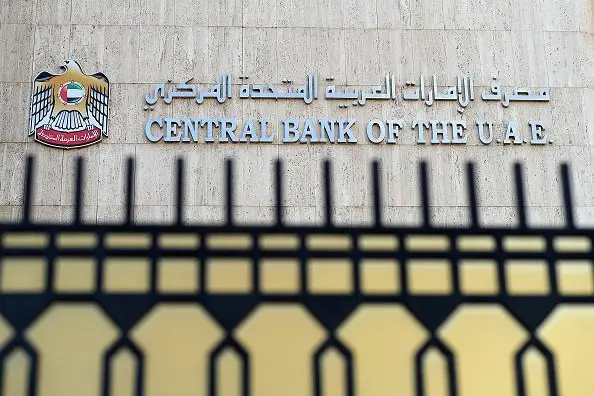
The Central Bank of the UAE announced on Wednesday that it is introducing a new mandatory registration framework for Hawala operators, a move that will strengthen the monitoring of individuals or groups in the underground remittance business.
The move is in line with the ongoing efforts to safeguard the UAE’s financial system and in accordance with Regulation 24/2019, or the Registered Hawala Providers Regulation. Under the framework, the regulator said, all activities of Hawala operators will be “subject to registration, monitoring and scrutiny in accordance with the law and the Anti-Money Laundering and Countering Financing of Terrorism (AML/ CFT) regulations in the country.”
“As per the banking law, [the UAE central bank] advises that legal action will be taken against Hawala providers should they fail to register their applications within 90 days of this [announcement], including financial penalty and imprisonment,” the regulator said.
Hawala providers, which provide a traditional alternative for transferring funds across the world through non-bank settlement methods, has been linked to illegal activities, including money laundering.
The informal payment system has been around for a long time, even before remittances through banks were introduced. Its original purpose was to facilitate the transactions of long-distance traders, according to the International Monetary Fund (IMF).
Today, the system is quite popular among the low-income expatriate communities, especially those that don’t have a bank account. According to published reports, over a fifth of outgoing funds from the UAE to Bangladesh goes through the hawala system.
The lack of banking and financial services in remote locations where funds are being moved into, as well as the high fees and charges collected by formal money transfer operators, have also helped the underground business thrive, according to the Middle East and North Africa Financial Action Task Force on Hawala.
Anti-money laundering
Abdulhamid Saeed Alahmadi, governor of the UAE central bank, said the registration system for Hawala providers is “especially significant” as there is an ongoing effort to maintain “best-in-class” reporting systems, especially in the campaign against money laundering and terrorism funding.
“We are committed to ensuring that only registered Hawala providers operate in the UAE, in accordance with the law and as per the certificate issued by the [country’s central bank],” he added.
(Writing by Cleofe Maceda; editing by Seban Scaria)
Disclaimer: This article is provided for informational purposes only. The content does not provide tax, legal or investment advice or opinion regarding the suitability, value or profitability of any particular security, portfolio or investment strategy. Read our full disclaimer policy here.
© ZAWYA 2020