PHOTO
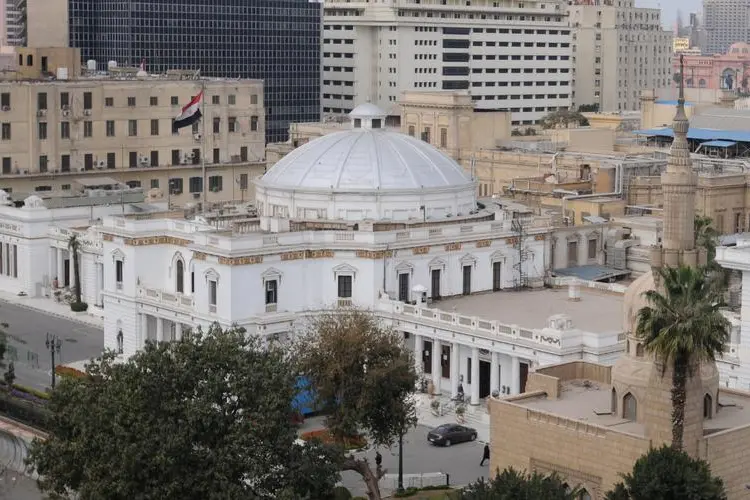
CAIRO - Egypt's parliament gave final approval on Tuesday to a law that formalises the rapid expansion of the military-linked Future of Egypt Authority into the country's most powerful economic body and places it under direct presidential oversight.
The legislation cements the authority's rise under President Abdel Fattah al-Sisi from a land reclamation project launched in 2017 into a sprawling state entity with responsibilities spanning strategic commodity imports, agriculture, fisheries, real estate and investments.
The move comes as the International Monetary Fund continues to call on Egypt to level the playing field for the private sector and reduce the role of state- and military-owned companies, which benefit from preferential treatment including tax exemptions, access to prime land and cheap labour.
The House of Representatives passed the bill after two days of debate following a review by a joint parliamentary committee, which secured amendments including parliamentary approval for the designation of "development zones", oversight by Egypt's state audit agency and parliament, and a cap on annual fee increases within those zones.
The bill concentrates planning, licensing, land allocation, investment, asset management, oversight and revenue-collection powers within a single body, while exempting it from several laws.
Future of Egypt did not immediately respond to a request for comment.
AMENDMENTS
Addressing lawmakers, the authority's executive director, Bahaa al-Ghannam, said the legislation was intended to restructure the body's governance and define its direct subordination to the president. He described the authority's role as an incubator for investors rather than an investor itself.
The legislation also establishes a sovereign fund, Pyramids of the Nile, and a parallel services fund.
Not all lawmakers backed the bill without reservations.
Reda Abdel Salam said parliament had amended about 80% of the provisions that drew objections in order to improve transparency, oversight and competitive neutrality, with remaining concerns to be addressed later "if problems emerge during implementation".
Atef al-Meghawry said lawmakers had not been given enough time to review the bill and consult experts. He also rejected the argument that exemptions from various legal frameworks were needed to speed up the authority's work, saying such reasoning amounted to "issuing a death certificate for the government apparatus".
The legislation now awaits presidential ratification.
(Reporting by Mohamed Ezz. Editing by Mark Potter)