PHOTO
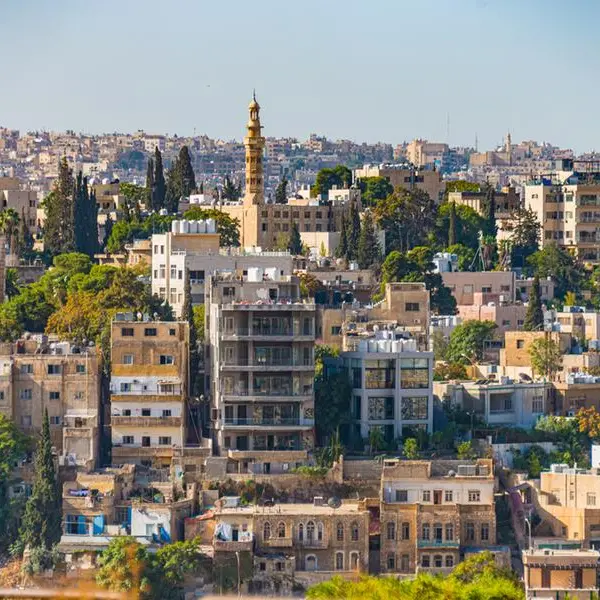
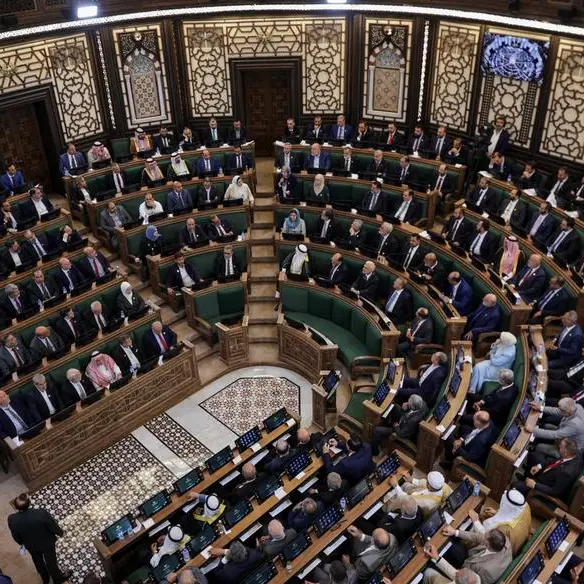
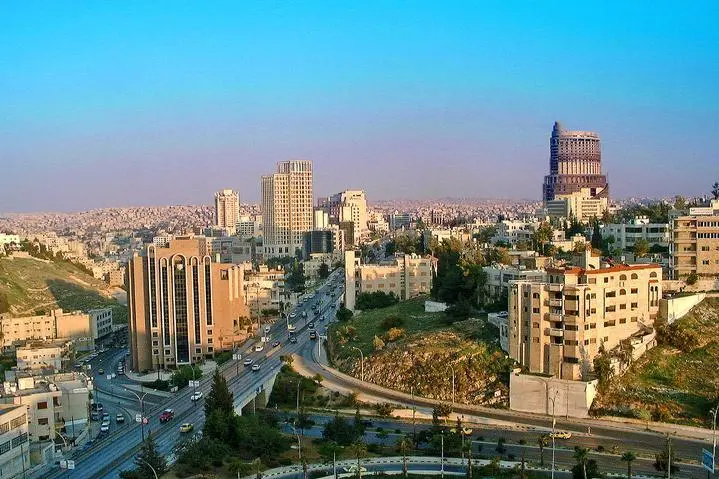
AMMAN — The Association of Agricultural Research Institutions in the Near East and North Africa (AARINENA), in cooperation with the Food and Agriculture Organisation of the United Nations (FAO), convened its 16th General Conference in Amman on Thursday.
AARINENA Executive Secretary Rida Khawaldeh stressed the importance of strengthening regional cooperation to address water scarcity challenges across the Near East and North Africa, noting that digitalisation has become one of the most promising solutions for managing water resources in the agricultural sector.
He said the conference comes at a time when the region is experiencing increasing pressure on its water systems, adding that water scarcity has become a reality that directly affects food security and the livelihoods of farmers in many countries, the Jordan News Agency, Petra, reported.
Khawaldeh highlighted that rapid developments in digital technologies, including remote sensing, precision irrigation, digital advisory services, smart monitoring systems and big-data analytics, are driving a qualitative shift in the way water is managed in agriculture, providing farmers, policymakers and researchers with more effective tools to assess resources and develop suitable policies.
He emphasised that AARINENA continues to play a key role in promoting agricultural research, knowledge exchange and innovation across the region, stressing that digital transformation in agriculture requires strong partnerships, capacity-building and sustainable investment, alongside a collective commitment to progress.
He expressed appreciation to the FAO for its continued support of the conference and its contribution to regional efforts aimed at achieving sustainable agricultural development.
The conference’s sessions, he added, will discuss the latest trends in digital water solutions, review successful experiences and explore mechanisms to expand the adoption of these technologies across the region, particularly to support small-scale farmers who face the greatest challenges linked to water scarcity.
AARINENA Vice President Ibrahim Rawashdeh, speaking on behalf of AARINENA President Hamdan Wahibi, underlined the importance of embracing digital solutions in managing agricultural water resources in the Near East and North Africa.
He said this year’s theme comes against the backdrop of worsening water scarcity in a region considered among the most water-stressed in the world, noting that pressures on agricultural systems are increasing yearly and require a strategic shift towards digital innovation.
Rawashdeh added that digital tools such as real-time monitoring, satellite-based analysis, precision irrigation, artificial intelligence and digital advisory platforms have become essential for improving water-use efficiency, enhancing productivity and strengthening climate resilience.
He noted that upcoming sessions will highlight pioneering experiences and discuss practical steps to accelerate the adoption of digital solutions across the region, calling for greater cooperation and openness to achieve tangible outcomes.
FAO Representative in Jordan Nabil Assaf said that the Near East and North Africa is currently facing one of the world’s most severe water challenges, pointing out that the region records the lowest per-capita water availability globally, with more than half of its population living under critical water stress.
He said that water scarcity is deepening due to the agricultural sector’s heavy dependence on water resources, with agriculture consuming around 85 per cent of available freshwater, alongside rising temperatures, irregular rainfall patterns and the depletion of groundwater, placing unprecedented pressure on food systems and social development.
Assaf underscored that securing a sustainable future for agriculture and food security requires a shift towards modern practices and innovation, making use of the opportunities offered by the digital era.
He added that digital solutions such as real-time monitoring, smart irrigation programmes and water-productivity mapping provide practical pathways to achieving a balance between water security and sustainable agricultural production, enabling more accurate and efficient management of scarce water resources.
This direction, he said, is aligned with the FAO’s “Four Betters” strategic framework: better production through smart technologies and efficient water use, better nutrition through data-driven policies, a better environment through integrated water-resource management and climate-adaptation efforts, and a better life by supporting rural communities, reducing risks and improving productivity.
The conference, which brought together leaders, experts, scientists and researchers specialising in agricultural innovation and food and water security, discussed a wide range of papers and topics, including Turkey’s digital water solutions in agriculture and earth-observation applications for agricultural water management.
It also discussed the use of remote sensing and artificial intelligence to support climate-adaptation measures, sustainable water solutions through connectivity-focused digital innovations, digital water opportunities and trends in the Gulf region, water-security technologies, precision irrigation, water-conservation techniques and the role of smart agriculture in enhancing food and water security, among other themes.
© Copyright The Jordan Times. All rights reserved. Provided by SyndiGate Media Inc. (Syndigate.info).