PHOTO
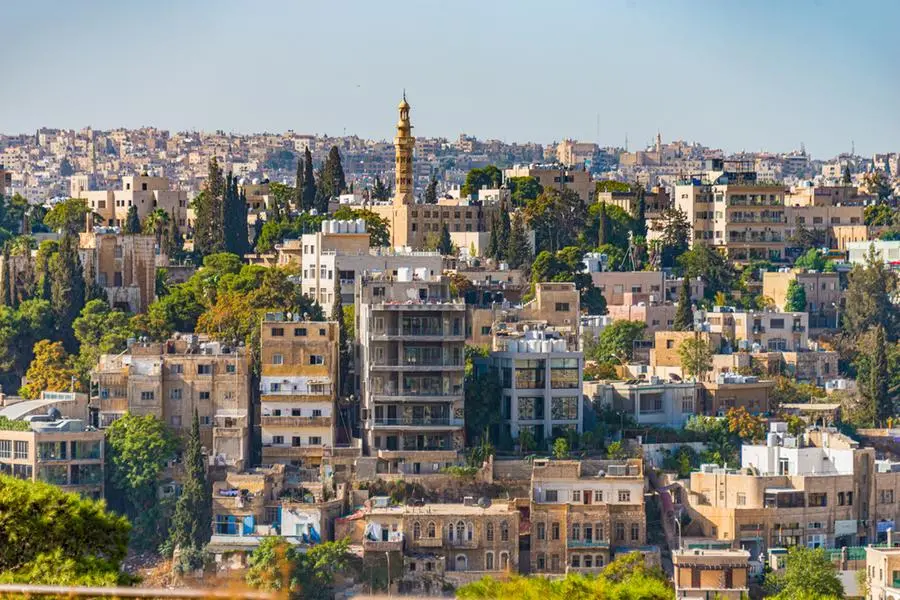
AMMAN – The Senate passed on Thursday the draft General Budget Law for the 2026 as referred from the Lower House.
Now passed by the two Houses of Parliament with no disagreement, the draft law will be referred to the King for ratification and then will be published in the Official Gazette.
The government presented the draft state budget law to the Lower House in November, with a projected economic growth of 2.9 per cent in in 2026 and an increase in capital spending by 16.8 per cent to JD1.6 billion.
Attending the Senate session, Prime Minister Jafar Hassan said that holding early discussions on the draft General Budget Law for the 2026 fiscal year will allow the government to begin implementing capital projects included in the budget at the earliest possible stage.
Speaking during a Senate session on Thursday convened to debate the 2026 draft budget, Hassan said that the deliberation move reflected a government approach aimed at improving implementation efficiency and speeding up the economic impact of projects, particularly those deemed a priority.
He said that early budget debates demonstrates “genuine cooperation between the legislative and executive authorities, as guided by His Majesty the King within the framework of the Constitution and in the national interest”, stressing the need to take decisive measures to stimulate economic activity and development.
Hassan reaffirmed the government’s commitment, through the 2026 budget, to its established financial and economic course, based on fiscal discipline, growth stimulation and the protection of low-income earners and the most vulnerable groups.
He stressed that the government will continue to promote economic growth and encourage investment, contributing to financial stability, supporting economic activity and advancing sustainable development.
The prime minister said the government is working to gradually increase economic growth rates, with the aim of achieving growth of up to 4 per cent by the end of 2028. “This will be pursued by accelerating major projects, stimulating investment, strengthening partnerships with the private sector and supporting productive, value-added sectors.”
He added that cooperation with the Senate would extend beyond the approval of the budget to its implementation, in line with government commitments, as well as to the execution of economic policies linked to the Economic Modernisation Vision.
Reading a detailed report before lawmakers on November 11, Minister of Finance Abdul Hakim Shebli said that the Kingdom’s economy is expected to grow by “at least 2.9 per cent in real terms next year, with inflation projected to remain moderate at around 2 per cent.”
He said that local revenues nw finance nearly 89 per cent of current expenditures, while the fiscal deficit after grants narrowed to JD2.125 billion. The net deficit for all government units totalled JD671 million, he said.
Shebli said foreign direct investment rose by 36 per cent in the first half of 2025 to about US$1 billion, reflecting investor confidence in Jordan’s economic environment. “Strategic projects in the water, energy, and transport sectors are expected to attract a further US$10 billion in investment during 2026.”
Under the 2026 draft budget, the fiscal deficit is projected to decline to 4.6 per cent of GDP, down from 5.2 per cent in 2025, while public debt is expected to fall to 80 per cent of GDP by 2028, he said.
Total public expenditure in 2026 is estimated at JD13.056 billion, up 6.4 per cent from 2025, while total revenues are projected to reach JD10.931 billion, an increase of 9.1 per cent. Local revenues are forecast at JD10.196 billion, with foreign grants amounting to JD735 million.
JT