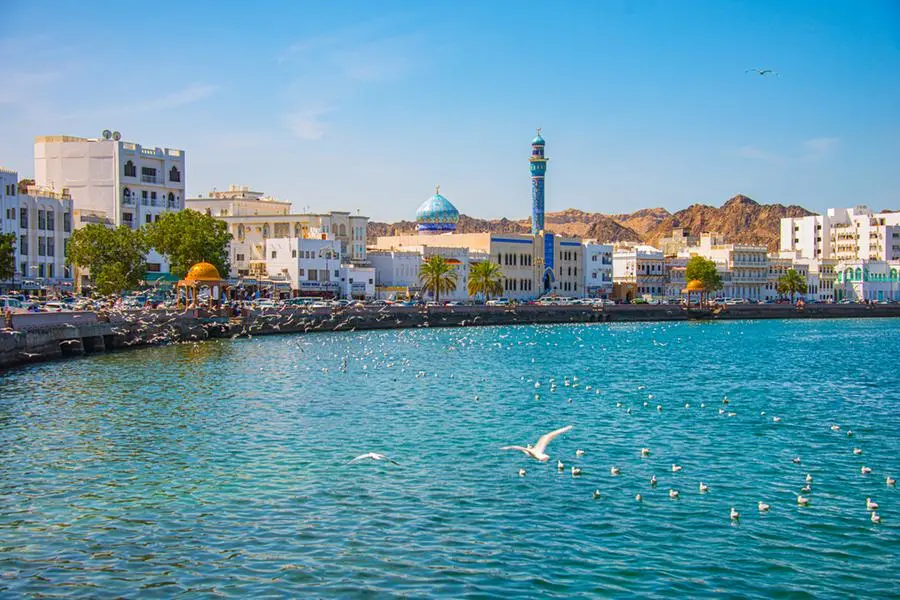
PHOTO
The Royal Oman Police (ROP), represented by the Directorate General of Customs, is implementing simplified procedures to enhance intra-regional trade movement between the Sultanate of Oman and the rest of the Gulf Cooperation Council (GCC) countries, particularly concerning land freight trucks and the entry and transit movement of goods (transit shipments).
These procedures are being applied as part of several facilitation measures aimed at easing access to GCC countries as well, especially in light of the current conflict in the region.
The new procedures aim to allow empty containers to enter and exit quickly without the need to submit a customs declaration. Inspection procedures are limited to scanning only, while transit data is processed from border checkpoints to Gulf ports using booking reference numbers.
These steps reflect the commitment of the Royal Oman Police to ensuring the smooth flow of trade between Oman and other GCC countries and to reducing any complex procedures that may cause delays in delivering goods and products. This helps the business community strengthen economic integration among Gulf markets under these changing regional conditions.
Everyone is aware of the repercussions resulting from the continuation of the war in the region, which increases tensions, concerns, and delays in business activities, in addition to increasing pressure on companies and institutions across the Gulf region. The difficulties caused by slower ship movements through the Strait of Hormuz have led to a significant rise in global oil prices, which continue to increase with each new military development in the region. Consequently, operating, shipping, and insurance costs have increased in maritime and air transport sectors, as well as in logistics services, industrial production, and supply chains.
This step facilitates the entry of empty GCC trucks to transport goods, while the “Bayan” system provides electronic services linked to dozens of government entities to accelerate procedures and reduce paperwork. The final result of these procedures is reduced clearance time, lower costs, and faster cargo movement.
There are several strategic reasons behind Oman’s decision to provide these facilities. Among them is strengthening Oman’s position as a regional logistics corridor. The Sultanate aims to become a transit gateway for goods between Asia, the Gulf region, and Africa—not merely a consumer market. They also support Gulf supply chains by ensuring faster movement of goods from Omani ports to Gulf markets. In addition, they help attract shipping companies and logistics investments, as faster and simpler procedures increase the likelihood that international transport companies will use Omani ports as transit hubs.
These facilitation measures also align with the objectives of Oman Vision 2040, as the logistics sector is considered one of the key economic sectors targeted as an alternative to oil. They further enhance competitiveness in the logistics sector by providing additional advantages that help attract shipping lines.
The measures taken by the Sultanate of Oman will benefit GCC countries during the current conflict by enabling faster delivery of goods through Omani ports to Gulf markets, reducing pressure on other ports, lowering land transport costs, improving supply chain continuity, and supporting intra-GCC trade. Goods can enter through Omani ports and then be transported by land to the rest of the GCC countries quickly. These benefits are expected to increase in the future, strengthening Oman’s role as a safe alternative transit corridor, particularly in the event of disruptions to traditional shipping routes.
2026 © All right reserved for Oman Establishment for Press, Publication and Advertising (OEPPA) Provided by SyndiGate Media Inc. (Syndigate.info).