PHOTO
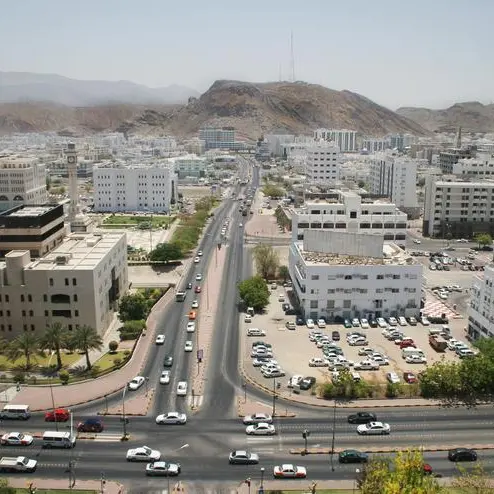
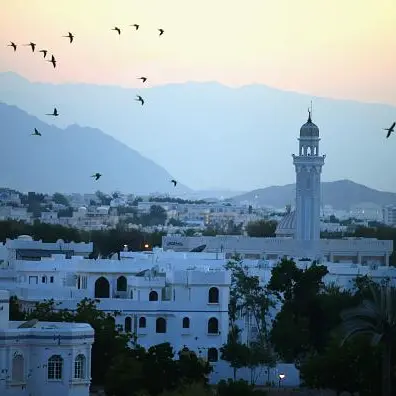
Muscat: The capital is moving toward a major urban transformation that is set to redefine how the city grows, breathes and connects with its natural landscape, as part of the Greater Muscat Structure Plan.
Under the “Green Muscat” vision, the city is shifting away from fragmented open spaces toward a continuous ecological network that links wadis, farmland, mountains and the coastline into a single integrated green system.
Based on the structure plan, the city will be built around four priority wadi parks, which are designed not only as recreational spaces but also as natural flood-control corridors that protect urban areas while restoring ecological balance.
These major parks are complemented by broader efforts to preserve natural wadis to ensure that Muscat’s wadi systems continue to function as active environmental assets rather than becoming fragmented urban spaces.
Meanwhile, the strategy extends beyond large parks into daily life through the development of 15-minute neighbourhoods, where residents can access local parks, squares, and essential services within a short walk. This approach reshapes urban living by making green space a basic part of everyday mobility rather than a distant amenity.
A defining feature of the vision is the protection and activation of major green belts. The Green Belt of Barka—often described as Muscat’s green lung—together with the agricultural landscapes of al Seeb and the protected Green Farms of Barka, form a continuous ecological buffer that supports food security, environmental protection, and landscape identity across the metropolitan area.
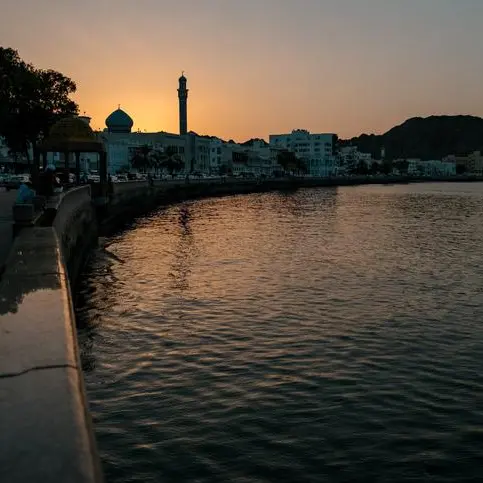
On the coast, the strategy brings life back to the waterfront that transforms it into an active public space where nature and urban life intersect. This is reinforced by key ecological landmarks such as Qurm Mangrove Park, which plays a critical role in protecting coastal biodiversity while offering a natural urban escape.
Connectivity is another central pillar of the plan, with green corridors linking neighbourhoods, wadis, parks, and transport routes. This creates a seamless network where movement through the city is supported by shade, nature, and accessible public spaces.
Altogether, Green Muscat is not just an expansion of parks—it is a restructuring of the city itself. By weaving together wadis, farms, mangroves, and waterfronts, the initiative positions Muscat as a resilient, climate-conscious capital where nature is no longer on the edge of the city, but at its very core.
2026 © All right reserved for Oman Establishment for Press, Publication and Advertising (OEPPA) Provided by SyndiGate Media Inc. (Syndigate.info).